How Do Surface Printing and Reverse Printing Process Choices Affect the Color Performance and Durability of Custom Printed & Colored PE Films?
1. Understanding the Two Printing Processes: Surface Printing vs. Reverse Printing
The fundamental difference between surface printing and reverse printing lies in where the ink is applied relative to the film surface and how it is protected.
Surface Printing (Surface Print / Top Print)
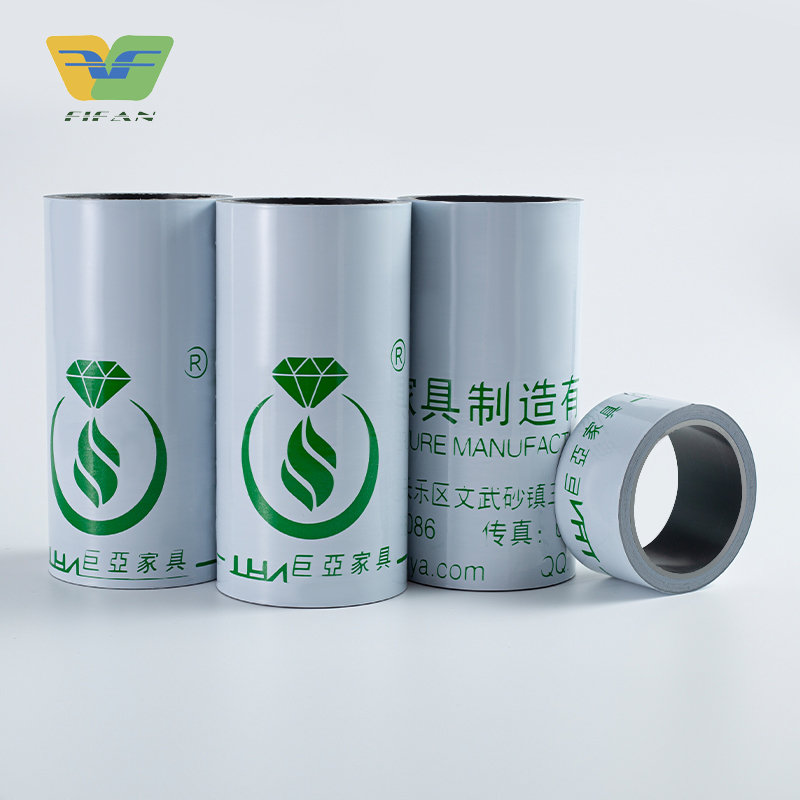
- Process Description: Ink is applied directly onto the outer surface of the PE film. The printed surface is exposed and becomes the outer layer of the final package or product.
- Ink Position: Ink sits on top of the film surface, with no protective layer covering it.
- Typical Applications: Protective films with printed branding, simple packaging, industrial labels, and applications where abrasion resistance is less critical.
Reverse Printing (Laminated Print / In-Mold Print)
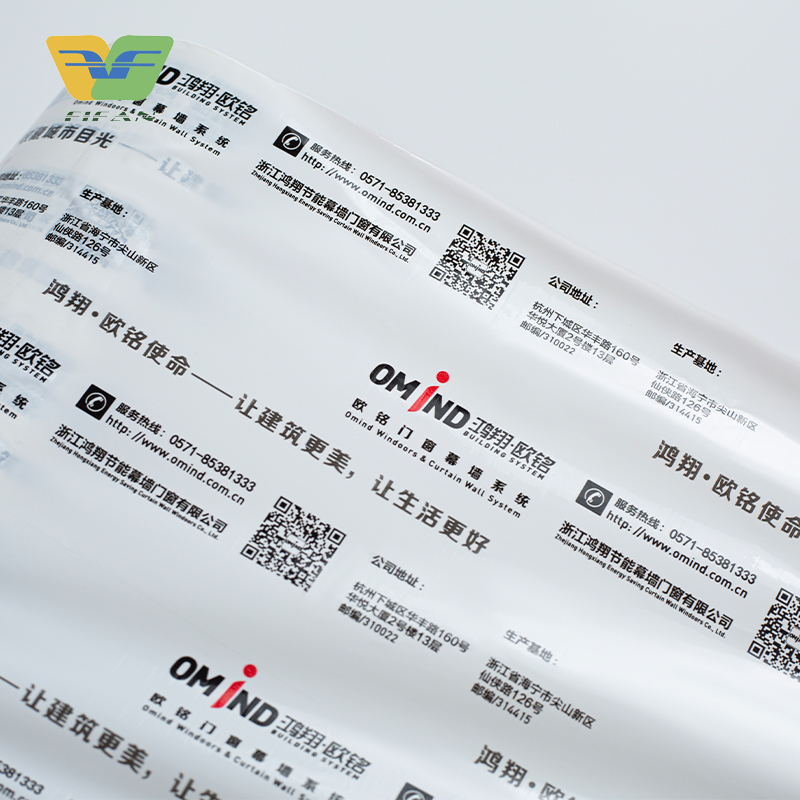
- Process Description: Ink is applied to the inner surface of the film (the side that will face the product). The printed film is then laminated or combined with another layer, so the ink is sandwiched between the film and the product or between multiple film layers.
- Ink Position: Ink is protected beneath the film surface, with the film itself acting as a protective layer.
- Typical Applications: Premium food packaging, high-end consumer goods, appliance surface protection films, and applications requiring high durability and scratch resistance.
2. Impact on Color Performance
The printing process directly affects how colors are perceived in terms of brightness, saturation, and visual depth.
Surface Printing Color Characteristics
- Initial Color Vibrancy: Surface printing delivers high initial color brightness and saturation because the ink is directly exposed without any intervening layer. This makes colors appear vivid and punchy straight from the press.
- Color Fading Risk: Since the ink is exposed on the surface, it is susceptible to UV degradation, oxidation, and environmental factors that can cause color fading over time, especially under direct sunlight or harsh lighting conditions.
- Opacity and Coverage: With proper ink formulation and sufficient ink laydown, surface printing can achieve excellent opacity for solid color areas, making it suitable for designs requiring dense color coverage.
Reverse Printing Color Characteristics
- Color Depth and Richness: The film layer above the ink acts as a gloss enhancer, giving colors a deeper, richer appearance with a premium visual depth. The light reflects through the film and ink, creating a more luxurious look.
- Color Consistency: The protective film layer reduces the impact of external factors on the ink, helping to preserve color consistency throughout the product's lifecycle.
- Substrate Color Influence: In reverse printing, the color and opacity of the film itself can influence the final perceived color. A clear, high-clarity film provides the truest color reproduction, while tinted films may alter the final color appearance.
3. Impact on Durability and Scratch Resistance
Durability is a critical factor in determining the appropriate printing process for specific applications.
Surface Printing Durability Characteristics
- Scratch and Abrasion Susceptibility: The exposed ink layer is vulnerable to physical damage from handling, transportation friction, stacking, and cleaning. Scratches and scuffs can remove or damage the printed design.
- Chemical Resistance Limitations: Surface-printed inks have lower resistance to solvents, oils, and cleaning agents compared to reverse-printed counterparts, as there is no protective layer between the ink and the environment.
- Cost Advantage for Short-Term Use: For applications with short service life or minimal handling requirements, surface printing offers a cost-effective solution with adequate durability.
Reverse Printing Durability Characteristics
- Superior Scratch and Abrasion Resistance: The film layer protects the ink from physical contact, providing excellent resistance to scratches, scuffs, and abrasion. This is particularly important for products that undergo extensive handling during manufacturing, transportation, and installation.
- Enhanced Chemical Resistance: The protective film shields the ink from chemical exposure, including cleaning agents, oils, and solvents commonly encountered in industrial and consumer environments.
- Long-Term Color Retention: The film protects the ink from UV radiation, moisture, and oxidation, resulting in significantly better long-term color retention compared to surface printing.
4. Comparative Parameter Table: Surface Printing vs. Reverse Printing for PE Films
The following table provides a direct comparison of key performance parameters between the two printing processes based on industry standards and operational experience at Zhejiang Feifan New Material Technology Co., Ltd.
| Parameter |
Surface Printing |
Reverse Printing |
Performance Impact |
| Initial Color Vibrancy |
High (ink directly exposed) |
Premium (depth from film layer) |
Reverse printing offers deeper, more luxurious color appearance |
| Scratch Resistance |
Low to moderate |
High (film protection) |
Reverse printing is preferred for high-handling applications |
| Abrasion Resistance (Taber Test, cycles) |
100–300 cycles |
500–1,000+ cycles |
Reverse printing provides 2–3x better abrasion resistance |
| UV Fading Resistance |
Moderate (fades after 3–6 months outdoor) |
High (6–12+ months outdoor) |
Reverse printing offers significantly better UV resistance |
| Chemical Resistance |
Low to moderate |
High |
Reverse printing withstands solvents and cleaning agents |
| Ink Adhesion |
Dependent on surface treatment (≥38 dyne/cm) |
Dependent on surface treatment (≥38 dyne/cm) |
Both require proper corona treatment for optimal adhesion |
| Relative Cost |
Lower (no lamination step) |
Higher (requires lamination or additional layer) |
Surface printing is more economical for short-term applications |
| Typical Applications |
Protective film branding, simple packaging |
Premium food packaging, appliance films, durable goods |
Selection depends on durability requirements |
5. Additional Considerations for Custom Printed & Colored PE Films
Beyond the surface vs. reverse printing decision, several other factors influence overall color performance and durability.
Film Surface Treatment (Corona Treatment)
- Purpose: Increases surface energy of PE film to improve ink wetting and adhesion.
- Target Level: Surface tension should be maintained at 38–42 dynes/cm for optimal ink adhesion in both surface and reverse printing.
- Durability: Treated surface energy decays over time, requiring printing within a specific window or under controlled storage conditions.
Ink Selection and Formulation
- Chlorinated Polypropylene (CPP) Inks: Provide excellent adhesion to PE films and are widely used for both surface and reverse printing applications.
- Polyurethane (PU) Inks: Offer superior heat resistance and flexibility, making them suitable for applications requiring post-forming or heat sealing.
- Solvent-Free / Low-Migration Inks: Required for food contact applications to meet regulatory compliance (GB 4806, EU No 10/2011, FDA).
Lamination and Protective Coatings (Optional Enhancements)
- Overprint Varnishes (OPV): Clear coatings applied over surface-printed films to improve scratch resistance and gloss without the full cost of lamination.
- Lamination: Combining reverse-printed film with a protective top layer (PE, PET, or other materials) provides maximum durability and is the standard for premium applications.
6. Quality Assurance at Zhejiang Feifan New Material Technology Co., Ltd.
With over two decades of specialization in PE film and printed PE film, Zhejiang Feifan New Material Technology Co., Ltd. implements rigorous quality control across its entire manufacturing chain. The company's advanced centralized feeding system ensures consistent base film quality, while state-of-the-art printing lines maintain precise registration and color consistency. The company's municipal R&D center continuously develops and validates new ink formulations and printing processes to optimize color performance and durability. This commitment to process excellence has earned the company recognition as a National High-Tech Enterprise and a Provincial "Specialized and Innovative" SME, serving distinguished clients including Robam, Fotile, BYD, and Haier. With a portfolio of 2 invention patents and 15 utility model patents, the company delivers custom printed PE film solutions that meet the most demanding color and durability requirements.
FAQ
Q1: Which printing process should I choose for my PE film application: surface printing or reverse printing?
The choice between surface printing and reverse printing depends primarily on your durability requirements and budget. If your application involves minimal handling, short-term use, or cost is the primary concern, surface printing is an economical solution. However, if your film will undergo extensive handling, transportation, or require long-term color stability, reverse printing is strongly recommended. The PE film itself acts as a protective layer in reverse printing, delivering superior scratch, abrasion, UV, and chemical resistance. Zhejiang Feifan New Material Technology Co., Ltd. offers both printing solutions and provides technical consultation to help customers select the optimal custom printed & colored PE film for their specific application needs.
Q2: How does Zhejiang Feifan New Material Technology Co., Ltd. ensure color consistency across different batches of custom printed PE films?
Zhejiang Feifan New Material Technology Co., Ltd. ensures color consistency through a comprehensive quality management system. The company's centralized feeding system ensures consistent base film quality, while precise ink formulation and color matching are conducted in the company's municipal R&D center using spectrophotometers to achieve target Pantone or custom color specifications. Advanced automatic registration systems on the printing lines maintain accurate color laydown and registration across long production runs. Additionally, strict incoming material inspection, in-process quality checks, and final product verification ensure that every batch meets the required color standards. With over 20 years of experience serving demanding clients, Zhejiang Feifan New Material Technology Co., Ltd. has developed robust processes for color reproducibility and batch-to-batch consistency.
Q3: What are the key regulatory considerations for custom printed PE films used in food packaging applications?
Custom printed PE films for food packaging must comply with stringent food contact regulations depending on the target market. Key regulations include GB 4806 (China), EU No 10/2011 (Europe), and FDA (United States) requirements. Compliance requires careful selection of ink systems that are low-migration and suitable for food contact, as well as base films that meet food-grade specifications. Reverse printing with lamination is often preferred for food packaging because the film provides an additional barrier between the ink and the food product, reducing migration risk. Zhejiang Feifan New Material Technology Co., Ltd. has extensive experience in developing food-contact-compliant custom printed PE films, leveraging its R&D capabilities and regulatory expertise to ensure that all materials and processes meet applicable food safety standards.

 English
 русский
 عربى
عربى