Why Color Isn't Just Cosmetic on Protective Film
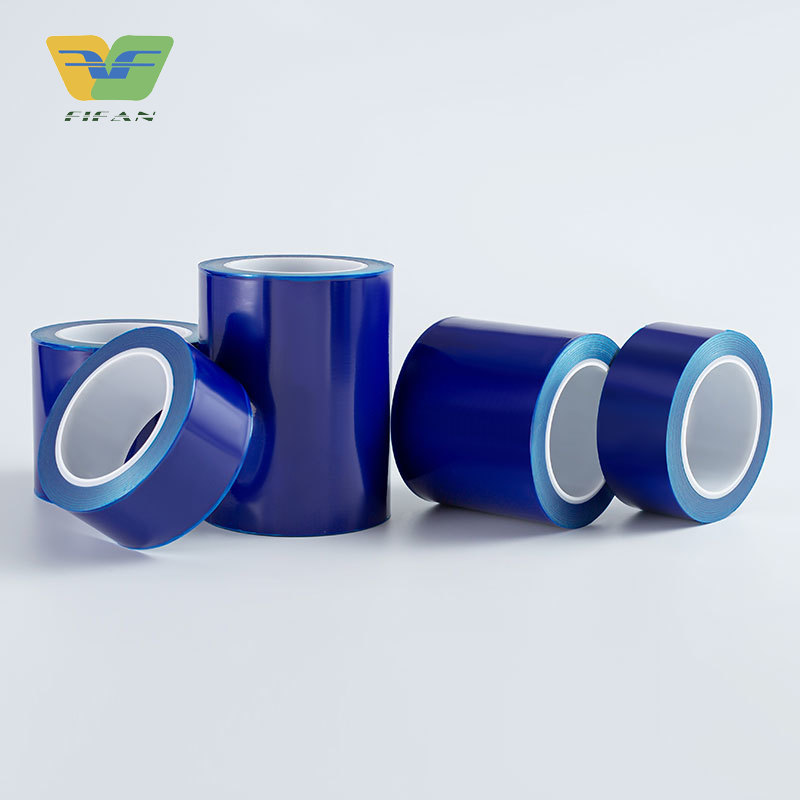
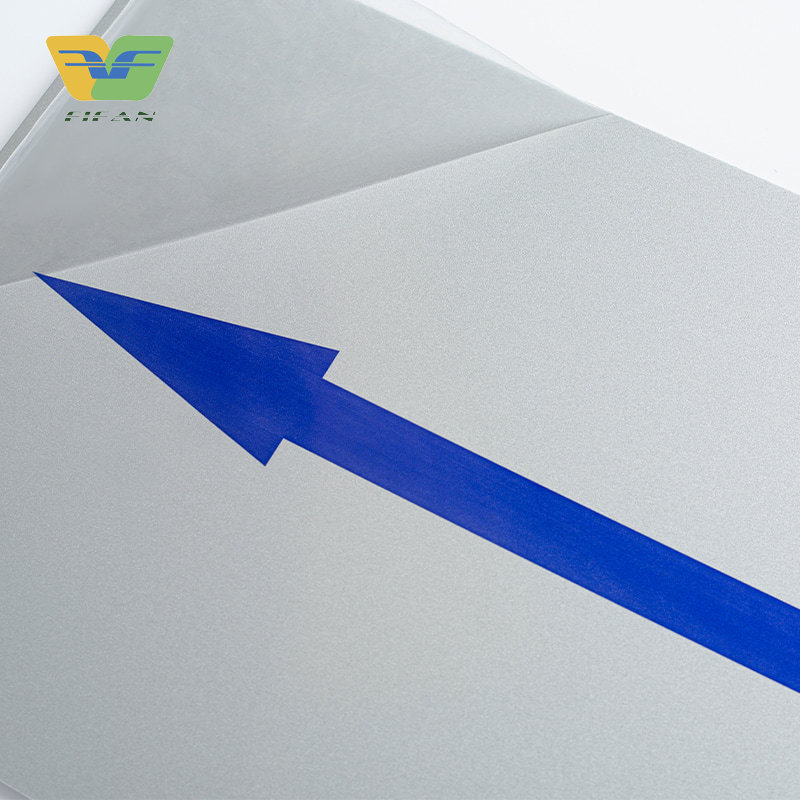
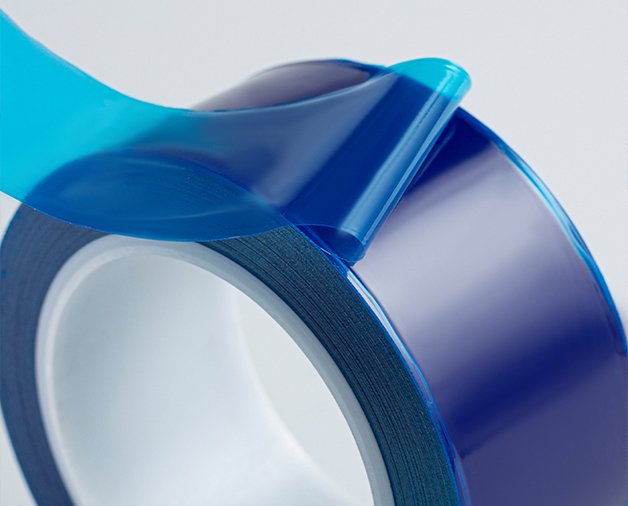
A blue tint on protective film often gets treated as a branding choice, but it's doing real functional work. The pigment layer filters UV wavelengths before they reach the substrate, which is one reason tinted films frequently outperform clear ones in outdoor or long-storage scenarios. Color also affects visibility on the production floor — a blue film stands out clearly against stainless steel, aluminum, and painted panels, making it far easier for line workers to spot missing film, overlaps, or edge lifting during in-process inspection.
The tint level itself is a deliberate trade-off rather than a fixed spec. A more transparent blue lets inspectors see surface defects through the film without removing it, which matters on lines with in-line quality checks. A denser, more opaque blue sacrifices some of that see-through inspection capability in exchange for stronger UV filtering and a more solid visual barrier, useful when a customer wants the underlying surface fully concealed until final unboxing.
- Transparent blue tint for in-line inspection without film removal
- Opaque blue for heavy-duty shielding and full surface concealment
- Higher visibility on the production floor, reducing missed or misapplied film
Getting Consistent Color Density Through Co-Extrusion
Color consistency is harder to achieve than it looks. Pigment that isn't evenly dispersed through the film can produce visible streaking, batch-to-batch shade variation, or patches where UV filtering is weaker than the rest of the roll. Integrating high-quality pigments directly into the three-layer co-extrusion process, rather than applying color as a surface coating, keeps the tint uniform through the full thickness of the film and avoids the fading or rub-off that surface-applied color can suffer under handling.
This is the manufacturing logic behind our High-Clarity Blue Tinted Surface PE Protection Film, where color density and UV filtering are treated as linked specs rather than separate features — a film that looks consistently blue roll after roll but drifts in UV performance isn't actually solving the problem it was designed for.
Matching Tint Level to Your Production Workflow
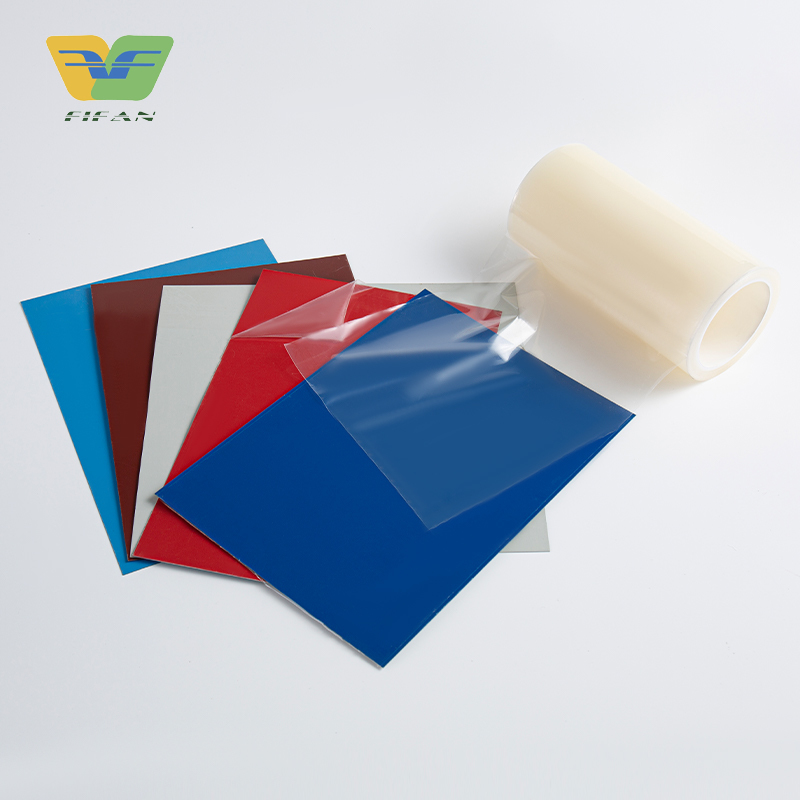
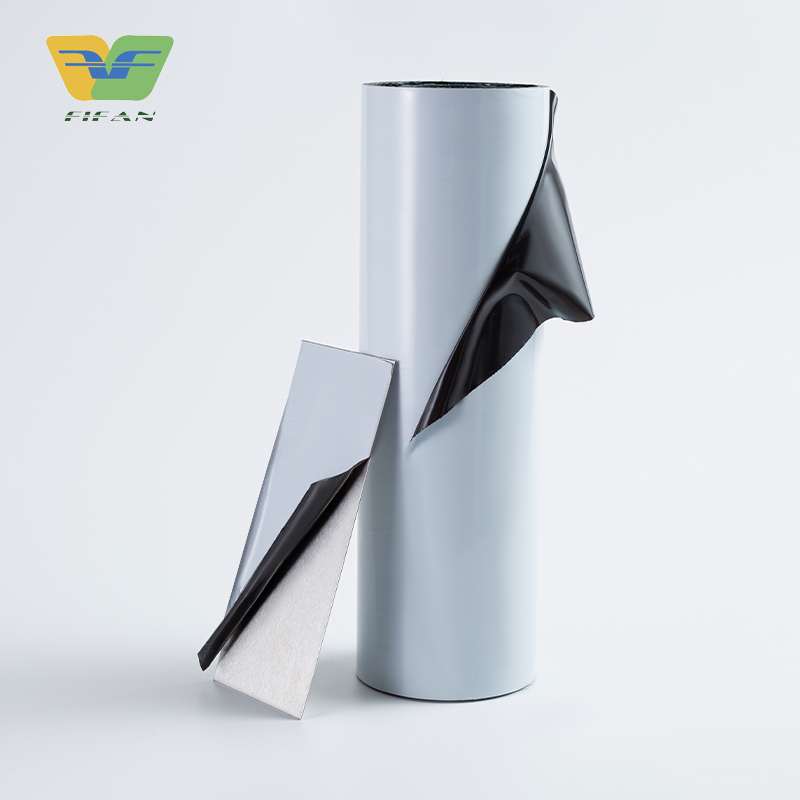
Premium surfaces like brushed stainless steel appliance panels, polished aluminum trim, and coated architectural sheet all benefit from color-tinted film, but the right tint depends heavily on where inspection happens in the workflow. Lines with automated vision systems or manual inspection stations before final packaging generally do better with a higher-clarity tint, since it lets defects get caught without adding a film-removal step. Lines where inspection happens before film application, with the film purely protecting an already-approved surface through transit and storage, have more flexibility to go with a denser, more opaque option.
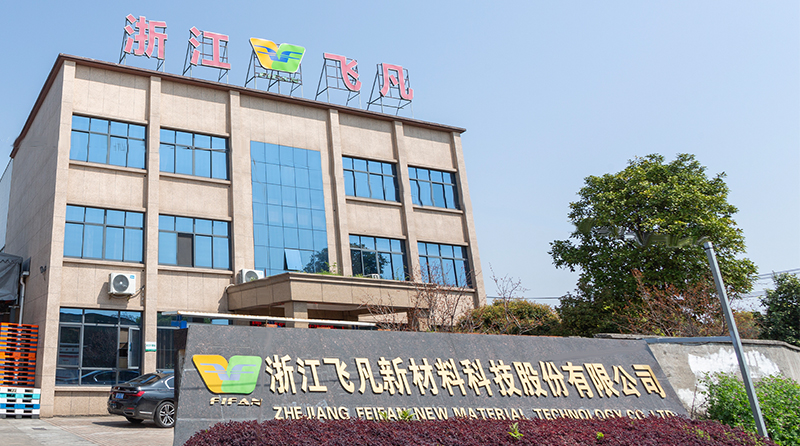
Serving appliance, stainless steel, and aviation-adjacent manufacturers who each have different inspection workflows, Zhejiang Feifan New Material Technology produces both transparent and opaque blue variants from the same controlled process, so customers aren't forced to compromise between visibility and UV protection.
| Tint Type |
Best Suited For |
| Transparent blue |
In-line surface inspection without film removal |
| Semi-opaque blue |
Balanced visibility and UV shielding for general handling |
| Opaque blue |
Full concealment and maximum UV/heavy-duty shielding |
Choosing a blue tint level based on where inspection happens in the production workflow.
Questions Worth Asking Before Standardizing on a Tinted Film
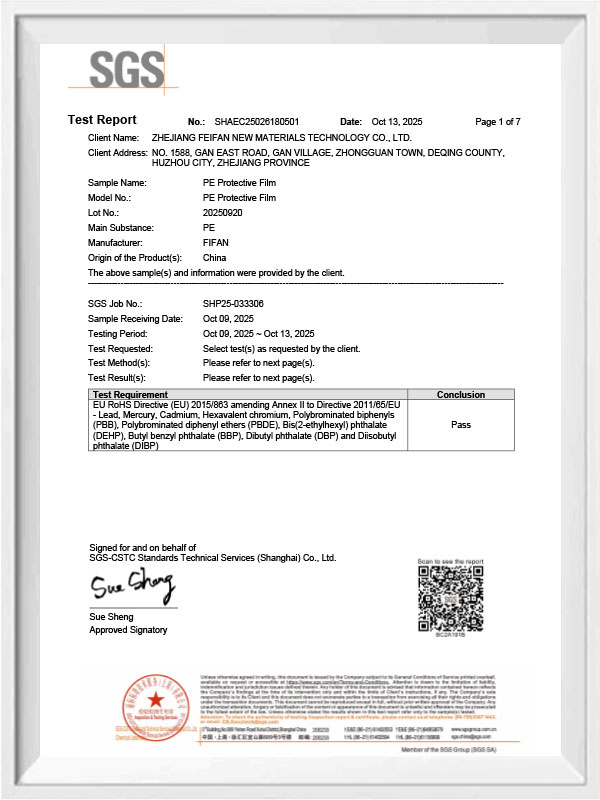
Buyers switching from clear to tinted film for the first time sometimes assume any blue film will behave the same as the clear version they're replacing, but pigment can subtly change how a film performs. It's worth confirming that peel force and adhesive behavior haven't shifted along with the color change, and that UV filtering claims are backed by actual test data rather than an assumption that "blue must block more UV." A supplier that can share resistivity or UV-transmission figures alongside the color spec is generally a safer long-term choice.
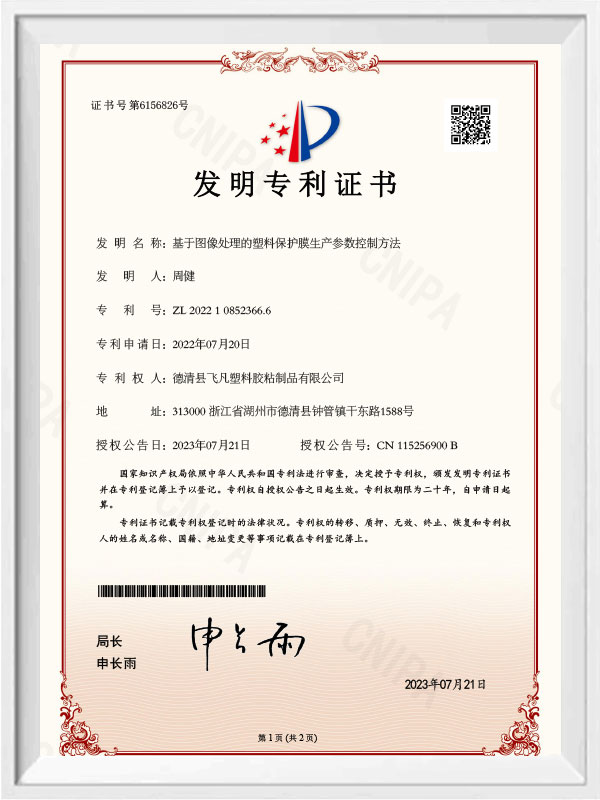
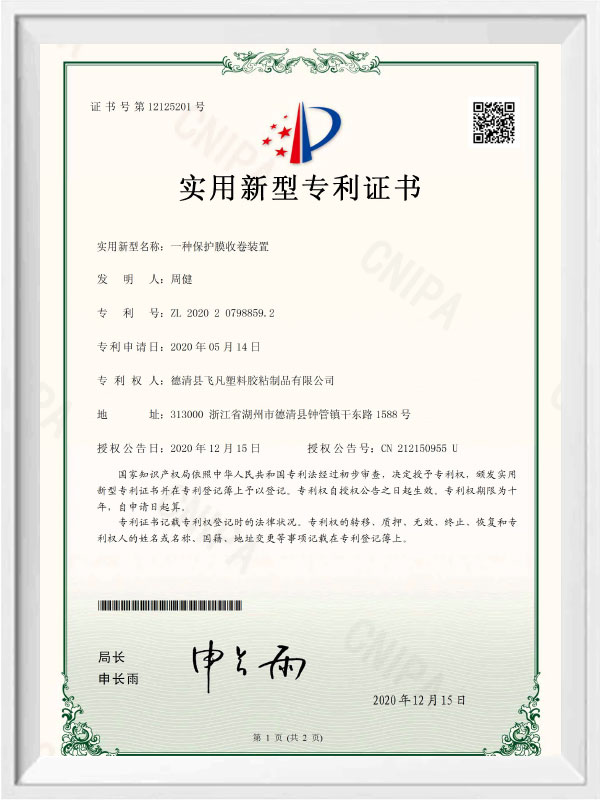
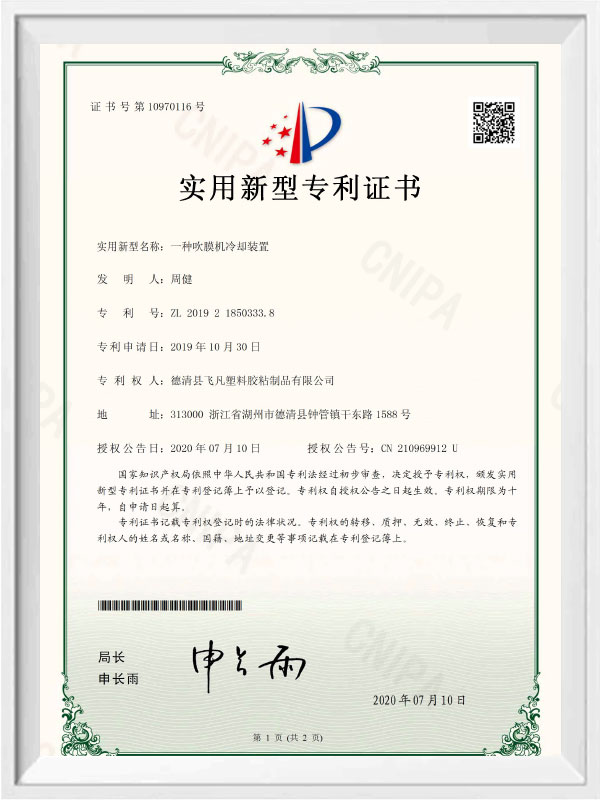
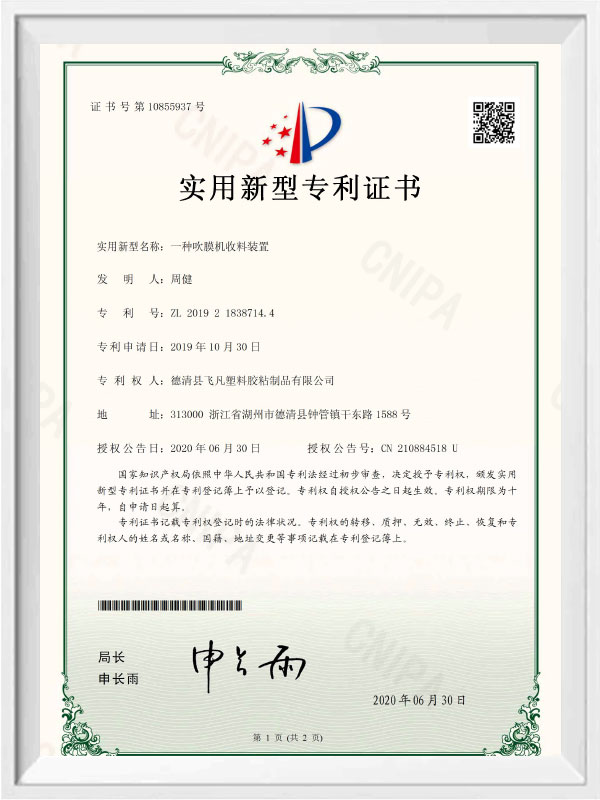
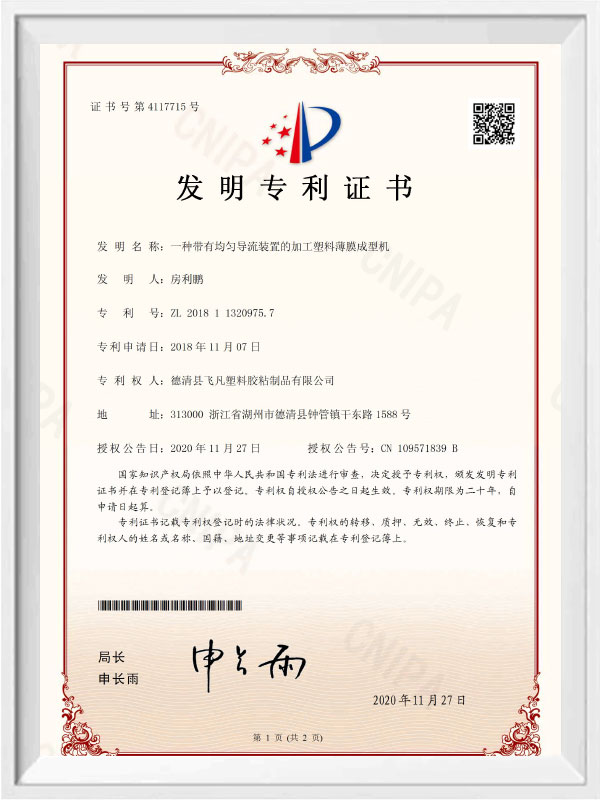
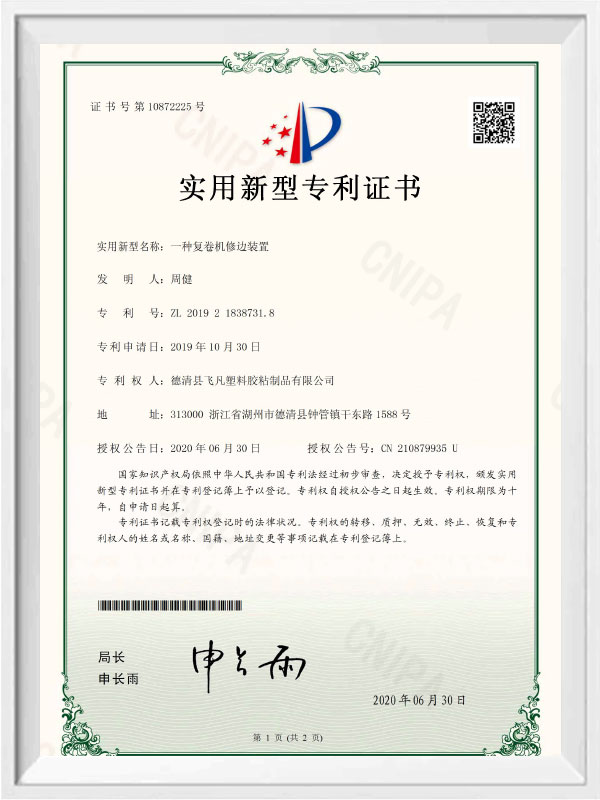
As a National High-Tech Enterprise with a municipal R&D center behind our formulation work, we validate color, UV performance, and adhesive behavior together rather than in isolation, which is part of what keeps repeat customers like Robam and Haier ordering the same tinted specification batch after batch instead of re-qualifying a new film each time.
Custom Shades and the Limits of "Just Make It Bluer"
Some buyers request a specific shade of blue purely for brand recognition on the warehouse floor, wanting their material to be identifiable at a glance among other suppliers' rolls. That's achievable, but it's worth understanding that shifting pigment concentration to hit an exact shade can move UV-filtering performance along with it, since the same pigment class that gives the film its color is often part of what's doing the UV filtering. A supplier who can decouple color matching from UV performance — using a broader pigment and additive system rather than a single-purpose dye — avoids forcing buyers to choose between the exact shade they want and the level of protection they need.
Custom shade requests also affect minimum order quantities and lead times more than most buyers expect, since a non-standard tint typically requires a dedicated production run rather than pulling from existing inventory. Confirming MOQ and turnaround for a custom blue shade early in sourcing conversations avoids surprises once a project timeline is already locked in.
How Roll Width and Thickness Interact with Tint Performance
Tint density isn't the only variable that determines how much UV filtering a blue film actually delivers — thickness plays an equally important role, since a thinner film simply has less pigment-bearing material per unit area, even at the same nominal color concentration. Buyers comparing two suppliers' "blue" films purely by eye can end up with very different real-world UV performance if one is running a thinner gauge to hit a lower price point.
Roll width matters more on the practical side, particularly for automated application lines where film needs to track precisely and cover a panel edge-to-edge without excessive overlap or waste. Feifan's centralized feeding system and in-house slitting allow tighter width tolerances across a production run, which reduces the trial-and-error some buyers go through when qualifying a new film on existing automated application equipment.

 English
 русский
 عربى
عربى