
- Product
-
Our Story
Why Choose Us?We are a national high-tech enterprise and a provincial "Specialized and Refined" SME, focusing on the R&D, production, and sales of PE protective film. As a leader in the industry, we are committed to serving global customers with innovative technology and have won wide recognition in the market.
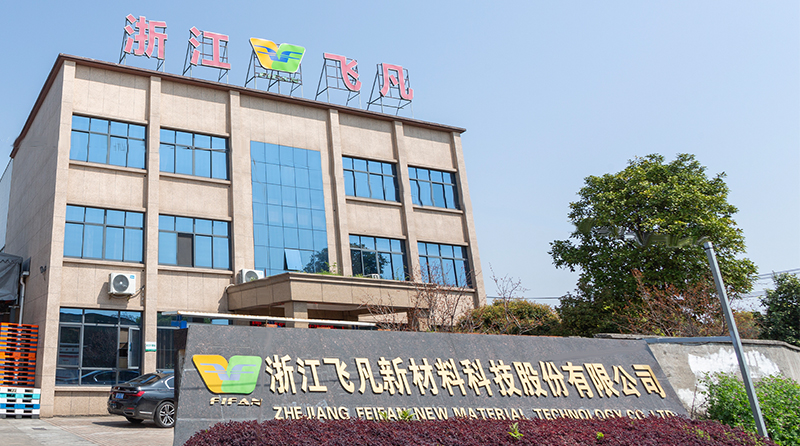 Coming From China, Marketing To The World.
-
News
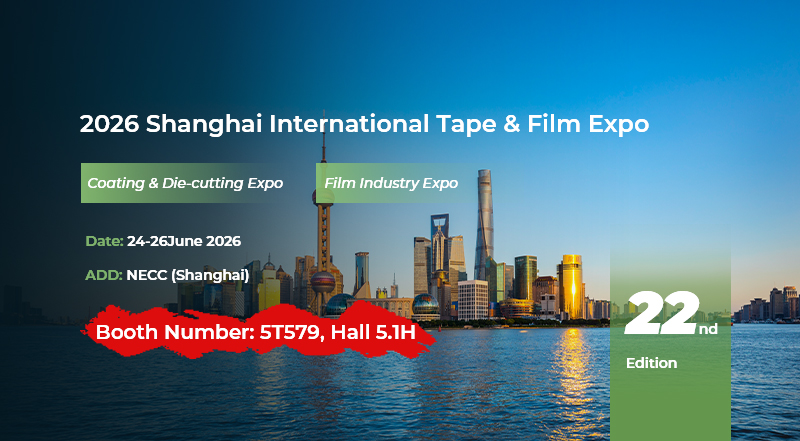 Feifan was invited to participate in the 2026 Shanghai International Tape and Film Exhibition
Dear Valued Customer / Partner, We are pleased to announce that our company will be exhibiting at APFE 2026 – the 22nd Shanghai International Adhesive Tape & Film Expo (Coating & Laminating E...
 English
 русский
 عربى
BfR Recommendation XXXVI Paper and Board Food Contact: Full Compliance Guide
Content
BfR Recommendation XXXVI paper and board for food contact is the reference standard for demonstrating that a paper-based material is safe to touch food in the EU. It sets the chemical boundaries for every pizza box, bakery bag, and cake tray that reaches a European consumer. For quality managers and procurement teams, understanding this recommendation is the first step toward passing an audit or launching a food contact product.
Approximate tonnage shares compiled from EU packaging waste data. Exact figures vary by source and year.
What BfR Recommendation XXXVI Covers for Paper and Board
BfR Recommendation XXXVI covers every paper and board material that comes into direct contact with food, regardless of whether the food is dry, moist, fatty, or hot. Unlike the EU directive for ceramics or Regulation 10/2011 for plastics, no dedicated European regulation exists for paper and board, so the BfR recommendation fills this gap by defining the acceptable fiber sources, additive chemistries, and migration thresholds.
The recommendation regulates the material itself, not only the food contact surface. It covers the fiber feedstock, sizing and retention chemicals, coating binders, and printing inks that may migrate through the layer.
- Paper and board made from virgin fibers
- Paper and board made from recycled fibers with decontamination requirements
- Coated and uncoated paper for primary packaging
- Cardboard for secondary food packaging
- Filter paper for tea, coffee, and similar beverages
Key Requirements for BfR XXXVI Paper and Board Food Contact
A compliant paper or board product must pass four gates: controlled composition, defined extraction limits, sensory neutrality, and documented traceability. The recommendation sets maximum contents for heavy metals in the paper, defines migration limits for specific substances, and requires that the material impart neither taste nor odor to the packed food.
| Requirement | Typical Limit | Evaluation Method |
| Lead (Pb) content | 10 mg/kg paper | ICP-OES |
| Cadmium (Cd) content | 0.5 mg/kg paper | ICP-OES |
| Mercury (Hg) content | 0.5 mg/kg paper | ICP-OES |
| Arsenic (As) content | 8 mg/kg paper | ICP-OES |
| Overall migration | 10 mg/dm2 | 10 days at 40 Celsius |
| Sensory evaluation | No odor or taste transfer | Panel test |
Evaluation methods follow the food type. For dry foods, extraction tests are performed at room temperature. For fatty foods, the test uses fat simulants such as sunflower oil over ten days at 40 Celsius. For hot-fill applications, additional testing at higher temperatures is required.
Common causes of non-compliance found in audits include:
- Mineral oil hydrocarbons migrating from recycled fibers
- Formaldehyde release from wet-strength resins
- Absorbable organic halides from bleaching chemicals
- Odor and taste transfer from coatings or inks
Where PE Films Intersect With Paper and Board Food Contact
When paper or board is laminated, coated, or used with a polyethylene film, the PE layer is evaluated separately under EU Regulation 10/2011, not under BfR Recommendation XXXVI. The two materials are regulated by two frameworks. The paper and board must meet BfR XXXVI, while the PE film must meet EU Regulation 10/2011 for plastics, with BfR Recommendation III for polyethylene as an additional reference for polyolefins.
For the combined structure to be compliant, both layers must independently comply, and no substance may migrate from one layer through the other into food.
- Compliance basis: BfR XXXVI
- Migration risk: low for dry, higher for fatty foods
- Testing focus: extraction and heavy metals
- Documentation: fiber and additive declaration
- Compliance basis: BfR XXXVI plus EU 10/2011
- Migration risk: must verify both layers
- Testing focus: extraction plus specific migration
- Documentation: fiber declaration plus polymer declaration
This is where a qualified PE film manufacturer enters the compliance chain. Zhejiang Feifan New Material Technology Co., Ltd., founded in 2003 and based in Deqing, Zhejiang, operates a Class 10,000 clean room and a closed-loop process from blow molding through coating, slitting, and packaging. Control over additive chemistry and film release matters when films run alongside food-adjacent packaging lines. For clean-environment operations, the company produces a high-performance antistatic PE protective film that controls static charge and particle attraction.
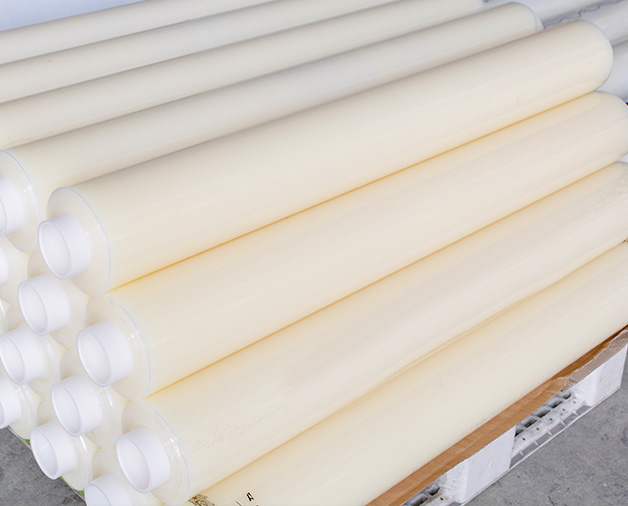
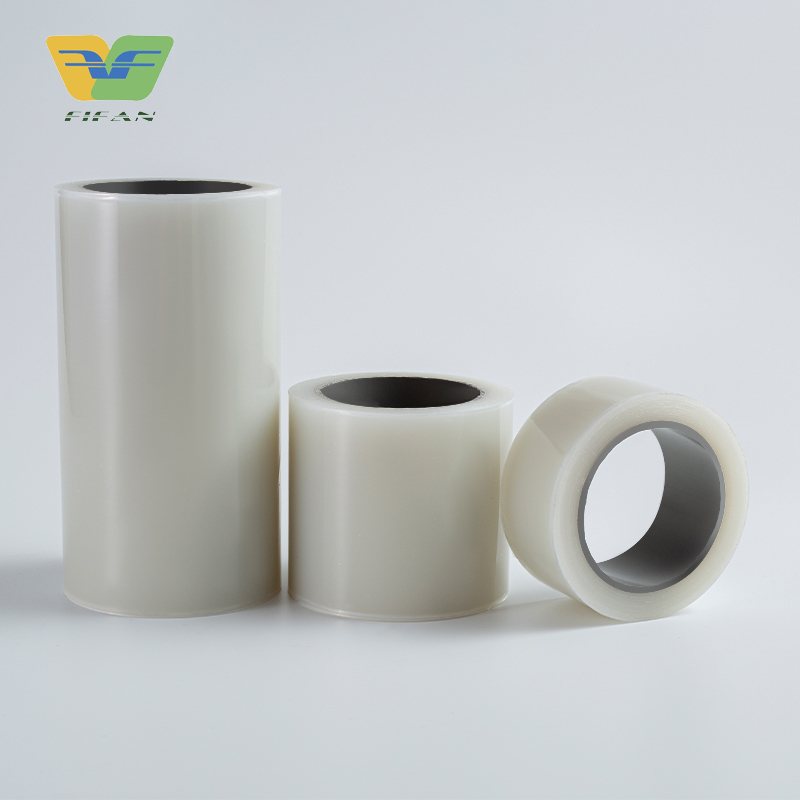 Antistatic PE Protective Film for Cleanroom and Electronics UseThis three-layer co-extruded PE film integrates conductive or dissipative agents to control surface resistivity, preventing ESD and dust attraction. It suits clean environments and sensitive component protection, supporting compliance in food-adjacent packaging lines.View Product →
Common purchasing pitfalls when selecting PE films can create hidden gaps in a compliant supply chain, especially when a supplier cannot demonstrate process control or batch traceability.
Practical Steps for Achieving BfR XXXVI Compliance
The path to a compliant product is built on supplier declarations, migration testing, and a documented quality system. These steps are not optional if you sell into the EU.
- Define the food contact condition, including food type, contact temperature, and duration.
- Collect supplier declarations from every raw material provider, including fiber, filler, coating, and film layers.
- Run extraction and migration testing under BfR XXXVI conditions using appropriate simulants.
- Evaluate sensory properties against a defined reference sample.
- Maintain a technical file with batch records, test reports, and declarations for at least five years.
- Re-validate on any change in fiber source, additive, coating, or film layer.
For batch traceability, printed PE films allow rolls to carry product codes and date information directly in the production line, supporting the documentation trail that compliance auditors expect.
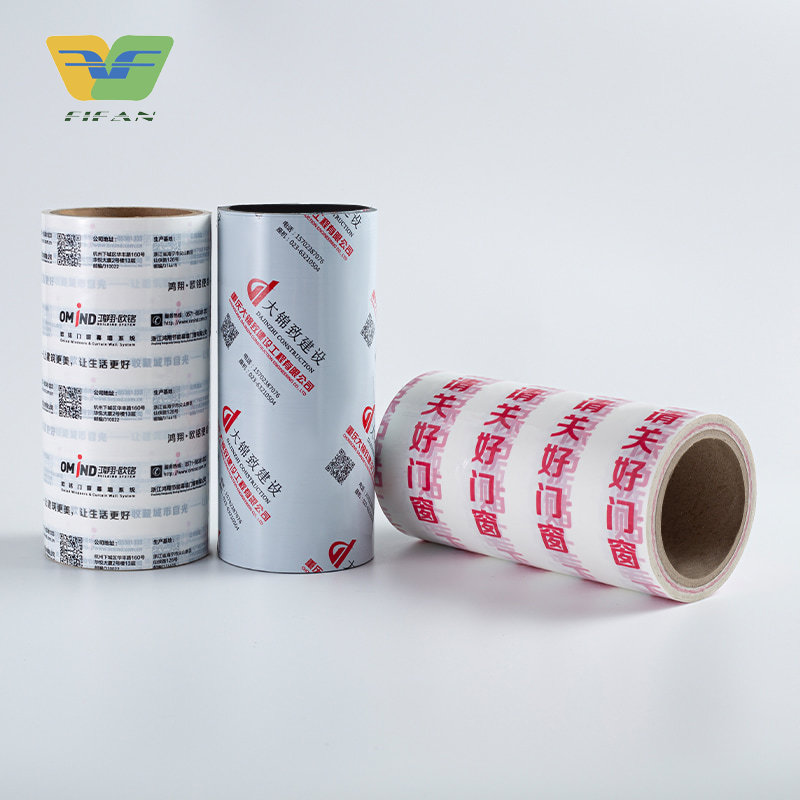 Custom Printed PE Protective Film with OG0 Grading and TraceabilityPrinted with brand logos, OG0 marking, or instructions, this film aids fabricators and supports batch traceability. It enhances product presentation while providing essential documentation in compliance audits.View Product →
Frequently Asked Questions About BfR XXXVI
Is BfR Recommendation XXXVI legally binding?
No. It is a national recommendation from the German Federal Institute for Risk Assessment. However, it is widely used as evidence of compliance with EU Framework Regulation 1935/2004, and German market surveillance treats it as a reference standard for paper and board food contact products.
Does BfR XXXVI apply to PE-coated paper and board?
Only to the paper and board component. The polyethylene layer is regulated under EU Regulation 10/2011 for plastics. Both components must be independently compliant before the combined product can be used for food contact.
What causes most failures in BfR XXXVI compliance testing?
Mineral oil hydrocarbons migrating from recycled fibers, formaldehyde release from wet-strength resins, and sensory contamination such as residual odor or taste are the most common findings in audit and lab testing.
How often is BfR Recommendation XXXVI updated?
The BfR revises its recommendations when new scientific data becomes available or when EU regulations are amended. Check the official BfR website for the latest version and revision date.
Your email address will not be published. Required fields are marked *
-
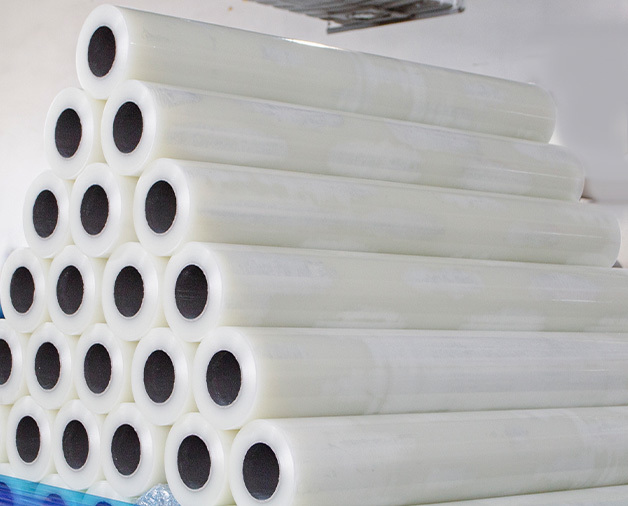
Construction Material PE Protective Film UV-Resistant PE Protective Film for Windows and Doors View More

Address: No. 1588 Gan Dong Road, Zhongguan Town, Deqing County, Huzhou City, Zhejiang Province, China
TEL: +86-572-8498038 / +86-15067289913
E-mail: [email protected]
Mobile
WhatsApp

Copyright © Zhejiang Feifan New Material Technology Co., Ltd. All Rights Reserved
