 English
 русский
 عربى
عربىUnderstanding Heavy-Duty Anti-Scratch PE Protective Film for Stainless Steel
In the realm of surface protection, stainless steel stands out as a material prized for its aesthetic appeal, corrosion resistance, and structural integrity. However, its susceptibility to superficial damage during fabrication, transport, and installation presents a persistent challenge. The Heavy-Duty Anti-Scratch PE Protective Film for Stainless Steel has emerged as an indispensable solution, engineered to preserve the pristine condition of stainless steel surfaces throughout the supply chain. This article provides a technical examination of this protective film, exploring its composition, performance metrics, application scenarios, and the critical factors that influence its selection and use in industrial contexts.
Defining Heavy-Duty Anti-Scratch PE Protective Film for Stainless Steel
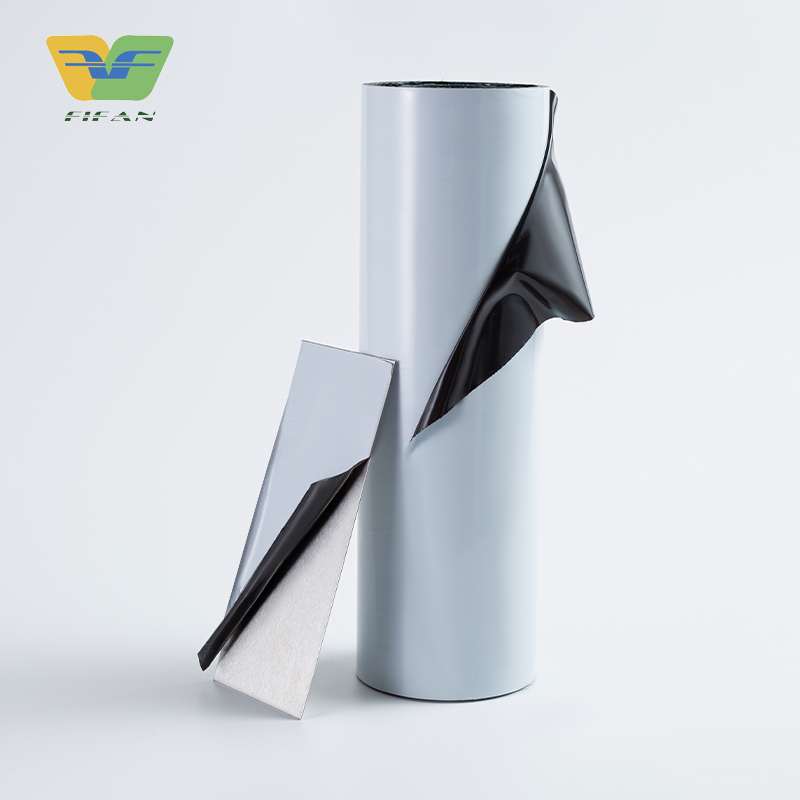
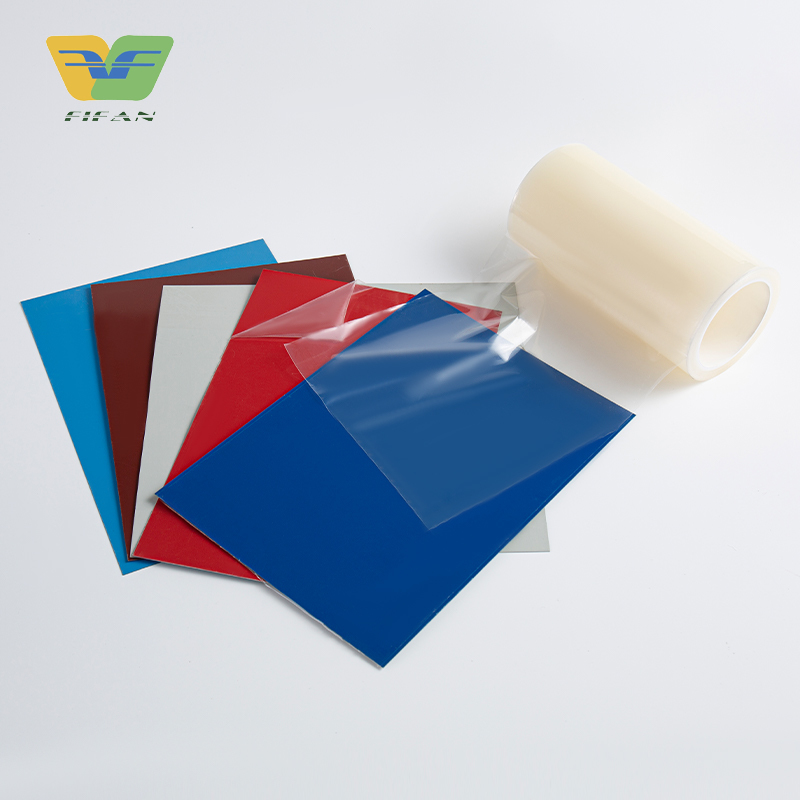
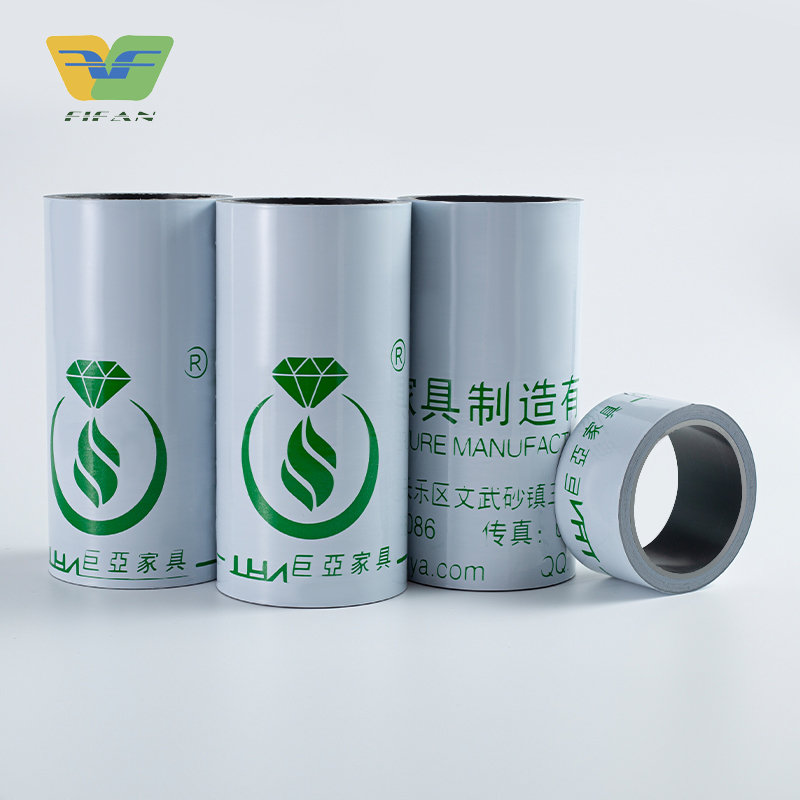
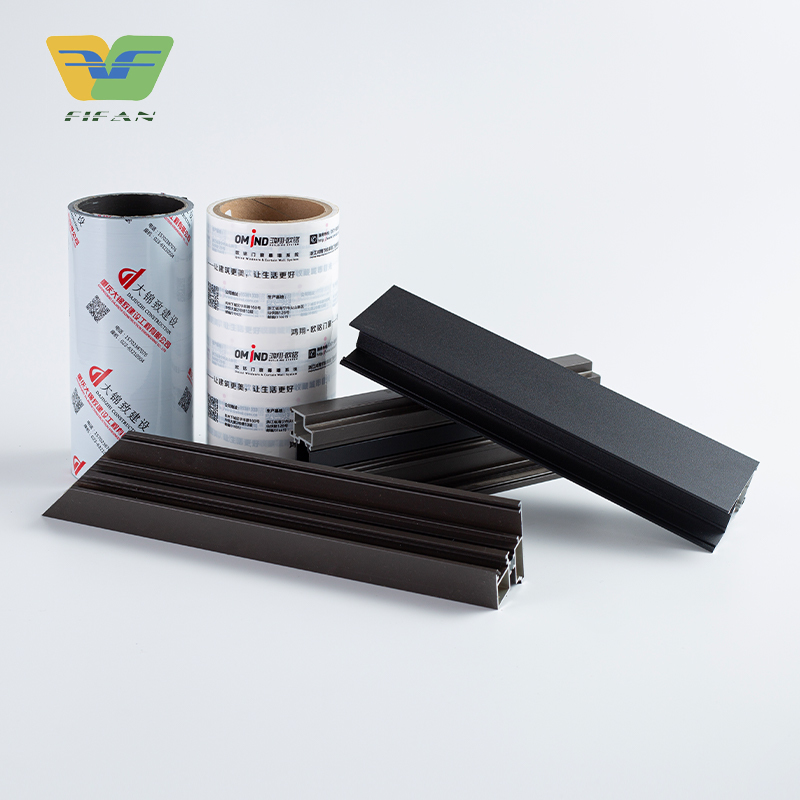
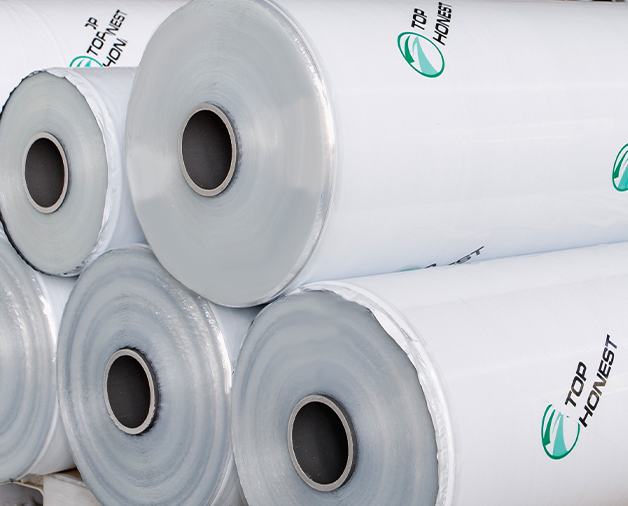
This specialized film is a multilayer polyethylene (PE) product designed specifically to adhere temporarily to stainless steel surfaces. Its primary function is to act as a sacrificial barrier, absorbing impact, abrasion, and chemical exposure that would otherwise compromise the surface finish. The designation "heavy-duty" distinguishes it from standard protective films, indicating a superior resistance to mechanical stress and a thicker gauge. The "anti-scratch" property is achieved through a combination of material hardness, surface energy management, and a pressure-sensitive adhesive system that cushions against sharp objects and abrasive particles. Unlike general-purpose films, this variant is formulated to withstand the rigors of heavy industrial environments, including metal forming, coil processing, and long-term outdoor storage.
Key Insight: The film's performance is not solely dependent on thickness; the quality of the coextruded layers and the adhesive formulation are equally critical for achieving true heavy-duty protection.
Working Principle and Material Characteristics
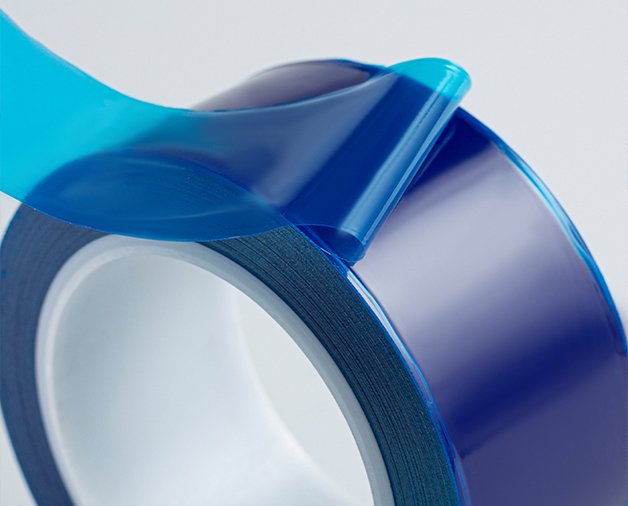
The effectiveness of the Heavy-Duty Anti-Scratch PE Protective Film for Stainless Steel lies in its sophisticated material science. It typically comprises a coextruded polyethylene base layer, which provides the primary mechanical strength and tear resistance. This base is often enhanced with additives such as UV stabilizers to prevent degradation from sunlight and antioxidants to maintain flexibility over extended periods. The critical component is the adhesive system, usually an acrylic-based or rubber-based pressure-sensitive adhesive. This adhesive must balance two competing requirements: sufficient tack to remain in place during handling and processing, and clean removability without leaving residue or causing discoloration. The anti-scratch functionality is further supported by a micro-embossed surface texture on some variants, which reduces friction and allows the film to slide over surfaces without catching, thereby preventing scratches caused by the film itself during application or removal.
Technical Specifications and Key Performance Factors
When evaluating the suitability of a heavy-duty anti-scratch PE protective film for stainless steel, several technical parameters must be considered. These specifications directly impact its performance in real-world applications.
| Parameter | Typical Range | Significance |
|---|---|---|
| Total Thickness | 60 - 120 microns | Determines mechanical protection level; higher gauge offers greater impact resistance. |
| Adhesion Level | 2 - 6 N/25mm (to stainless steel) | Affects holding power and removability; must match application requirements. |
| Tensile Strength | ≥ 20 MPa (MD) | Indicates resistance to stretching and tearing during application and removal. |
| Elongation at Break | ≥ 300% | Allows the film to conform to curved surfaces without cracking. |
| Service Temperature | -10°C to +80°C | Defines operational limits; important for outdoor storage and hot climates. |
| UV Resistance | ≥ 600 hours (QUV test) | Prevents yellowing and embrittlement from sunlight exposure. |
| Water Vapor Transmission Rate | < 5 g/m²/day | Minimizes moisture ingress that could cause surface corrosion under the film. |
Application Scenarios Across the Supply Chain
The utility of the Heavy-Duty Anti-Scratch PE Protective Film for Stainless Steel spans multiple stages of the stainless steel lifecycle. In coil processing, the film is applied immediately after annealing and pickling to protect the surface during slitting, shearing, and storage. In the fabrication sector, it serves as a safeguard during laser cutting, bending, and welding operations, where metal shavings and tool marks pose significant risks. For architectural applications, the film remains in place during installation and construction, shielding the steel from cement splatter, paint overspray, and foot traffic. Other critical applications include the protection of decorative stainless steel panels for elevators, kitchen equipment, and automotive trim, where even minor scratches can lead to costly rework or rejection.
Comparative Analysis with Other Protective Materials
While PE film is a dominant choice for stainless steel protection, it competes with several alternatives. Understanding these differences is essential for informed decision-making.
| Feature | Heavy-Duty Anti-Scratch PE Film | Standard PE Protective Film | PVC Protective Film | Paper-Based Protective Film |
|---|---|---|---|---|
| Scratch Resistance | High | Moderate | High | Low |
| Impact Protection | Excellent | Good | Moderate | Poor |
| Tear Resistance | High | Moderate | High | Low |
| Conformability | Good | Good | Excellent | Poor |
| Removability | Excellent (residue-free) | Good | Can leave residue | Fragmentation risk |
| UV Stability | Excellent | Moderate | Good | Poor |
| Cost Effectiveness | High for heavy-duty needs | Moderate | Higher | Low |
Selection Considerations and Purchasing Factors
Selecting the appropriate heavy-duty anti-scratch PE protective film for stainless steel requires a systematic approach. Key considerations include the duration of protection required (short-term internal use vs. long-term outdoor exposure), the surface finish of the stainless steel (No. 4 brushed, mirror-polished, or embossed), and the environmental conditions during storage and transport. The adhesive system must be validated for compatibility with the specific steel grade to avoid adhesive transfer or surface hazing. Equally important is the film's thickness; a thicker film may offer superior protection but can be more challenging to apply on contoured surfaces and may increase material costs. The unwind tension and application method—whether manual or machine-applied—also influence the choice of film and its liner system.
Pro Tip: For mirror-polished stainless steel, always request a low-tack adhesive variant to prevent micro-hazing, which can occur even with some standard adhesives over time.
Installation and Removal Best Practices
Optimal performance of the protective film depends heavily on correct application and removal techniques. Prior to application, the stainless steel surface must be thoroughly cleaned to remove oils, dust, and moisture, as contaminants can interfere with adhesion and lead to "pocketing" where the film lifts. The film should be applied using a rubber roller or a mechanical applicator to ensure even pressure and eliminate air bubbles. During removal, the film should be peeled back at a 90 to 180-degree angle at a moderate, consistent speed. If the film has been in place for an extended period or exposed to high temperatures, pre-heating the surface with a hot air gun can soften the adhesive and facilitate cleaner removal. Abrupt or jerky peeling should be avoided as it may overstress the film, causing it to tear or leave adhesive remnants.
Common Misconceptions and Oversights
Several misconceptions can undermine the effectiveness of the protective film. One common error is the assumption that a thicker film always provides better protection. While thickness contributes to impact resistance, it can also reduce conformability and increase the risk of edge peeling. Another oversight is neglecting the impact of environmental factors—high humidity can affect the adhesive's performance, while ultraviolet radiation can degrade the film even if the steel itself is UV-resistant. Additionally, not all PE films are created equal; a film intended for short-term interior protection will fail under harsh outdoor conditions. Adhesive selection is particularly critical; an overly aggressive adhesive may bond permanently, while one that is too weak may fail to protect against heavy abrasion.
Industry Trends and Future Outlook
The protective film industry is evolving in response to sustainability pressures and technological advancements. There is a growing demand for PE films with reduced carbon footprints, achieved through the use of bio-based polyethylene or recycled content. Manufacturers are also developing films that are easier to recycle, aligning with circular economy principles. In terms of performance, the trend is toward thinner films with enhanced mechanical properties, achieved through nanotechnology and advanced polymer blends. Smart films with integrated sensors for detecting damage or pressure are also emerging in niche applications. The increasing automation of production lines necessitates films with consistent friction and static properties to ensure smooth processing. As the stainless steel industry pushes toward higher surface quality standards, the role of protective films as a primary safeguard will continue to expand.
Conclusion
The Heavy-Duty Anti-Scratch PE Protective Film for Stainless Steel is a critical component in the value chain of stainless steel products. By providing a robust barrier against physical and chemical damage, it preserves the aesthetic and functional integrity of the material, reducing rework and waste. A thorough understanding of its technical specifications, application environments, and proper handling techniques is essential for maximizing its benefits. As the industry continues to innovate, this protective film will become even more specialized, addressing the unique challenges of high-value stainless steel surfaces in an increasingly demanding global market. Making an informed selection based on specific project requirements remains the cornerstone of successful surface protection.
Frequently Asked Questions
- How long can the heavy-duty anti-scratch PE protective film remain on stainless steel?
- The duration depends on the film's formulation and the exposure conditions. Interior applications typically allow for up to 12 months, while outdoor use with UV-stabilized films may extend to 6 months. Extended exposure beyond these periods increases the risk of adhesive residue.
- Can the film be applied to all grades of stainless steel?
- Yes, it is compatible with all common grades, including 304, 316, 430, and duplex steels. However, surface finish (mirror, brushed, or embossed) may influence the choice of adhesive tack level. Mirror finishes generally require lower-tack adhesives to prevent hazing.
- How do I remove the film if it leaves a residue?
- Residue can typically be removed with isopropyl alcohol or a mild solvent recommended by the film manufacturer. For stubborn residues, a specialized adhesive remover or a rubber eraser wheel may be used, followed by a thorough cleaning of the surface.
- What is the difference between a heavy-duty and a standard PE protective film?
- Heavy-duty films are thicker (typically 80-120 microns) and constructed from higher-density polyethylene or coextruded layers, providing superior tensile strength, tear resistance, and impact protection compared to standard films (30-60 microns), which are designed for lighter applications.
- Does the film protect against corrosion?
- While the film acts as a physical barrier against moisture and air, it is not a substitute for corrosion-resistant coatings. However, films with low water vapor transmission rates and corrosion-inhibiting additives can reduce the risk of atmospheric corrosion by preventing direct contact with contaminants.
- Is the film recyclable?
- Most PE films are recyclable through specialized plastics recycling streams, provided they are free from heavy contamination. Some manufacturers now produce films with bio-based content or designed for easier integration into recycling loops. Check with the supplier for specific recyclability claims.
- What should I do if the film tears during application?
- If a tear occurs, the compromised section should be removed and reapplied with a fresh piece. Applying the film with a slight overlap over the damaged area is not recommended, as it may trap debris and affect the protection. The surface should be cleaned before reapplication.