The Hidden Cost of Static Charge in Precision Manufacturing
Ordinary PE film is an excellent insulator, which sounds harmless until you remember that insulators are exactly what generate and hold triboelectric charge as film unwinds, contacts a surface, and separates again during handling. On sensitive electronics, that charge doesn't need to spark visibly to do damage — a few hundred volts of ESD can degrade a semiconductor junction without any outward sign, and the defect only surfaces after the product is in a customer's hands. It's a failure mode Zhejiang Feifan New Material Technology has seen slip past quality checks more than once before a customer traced it back to the packaging film itself.
Static also has a second, less dramatic but equally costly effect: dust attraction. A charged film surface pulls airborne particles toward itself and, by extension, toward the product underneath it. On high-gloss plastics and optical displays, this means visible contamination that shows up under inspection lighting, even in a reasonably clean assembly environment.
- Latent ESD damage to PCBs and semiconductor packages that isn't caught at final test
- Dust and particle adsorption onto optical-grade surfaces during unwinding and lamination
- Charge buildup that interferes with automated pick-and-place or vision-inspection systems
How Three-Layer Co-Extrusion Achieves Stable Dissipative Performance
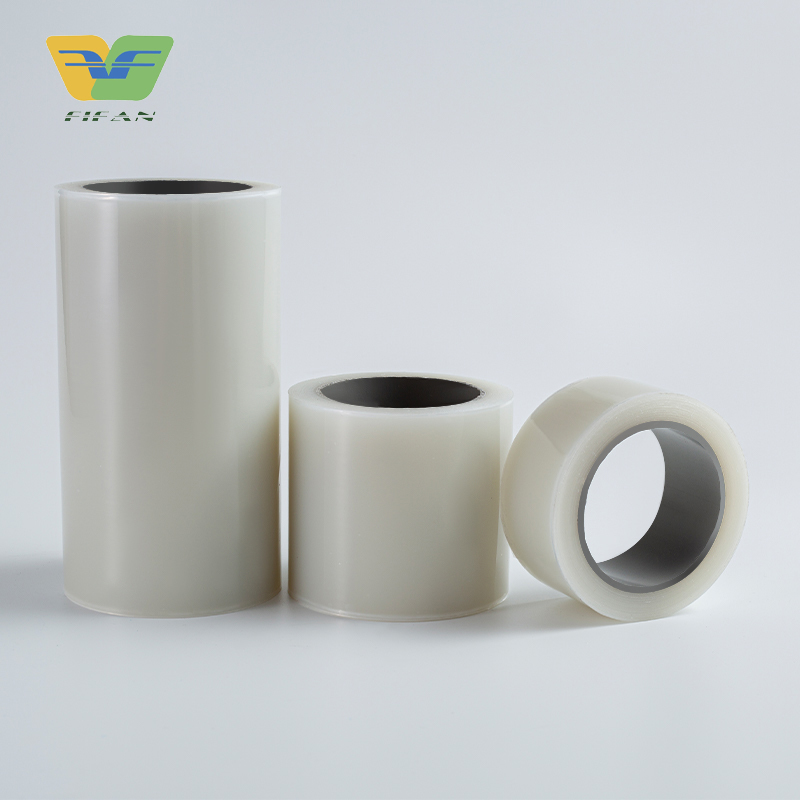
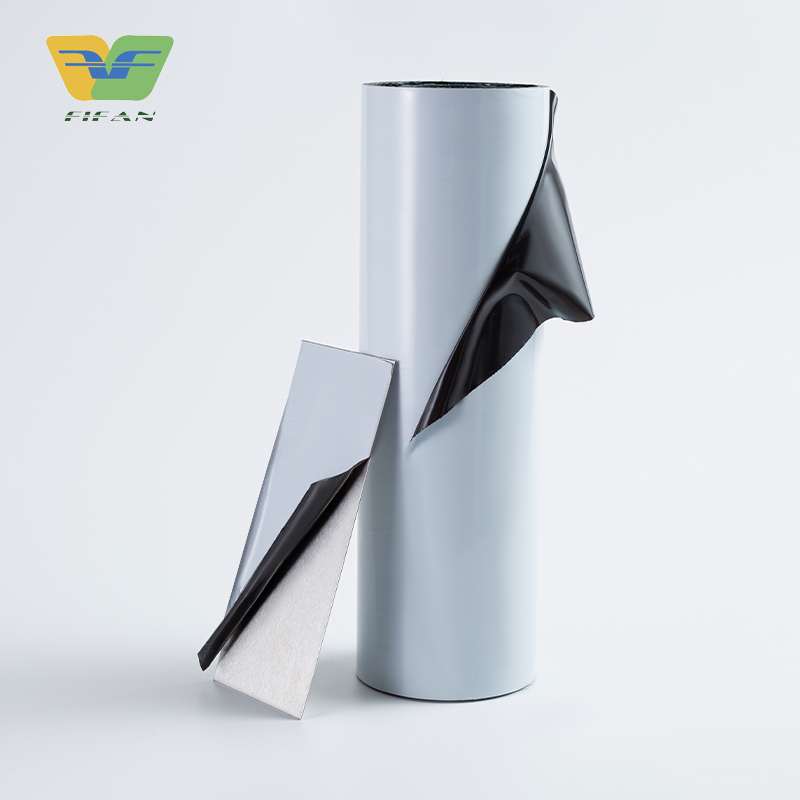
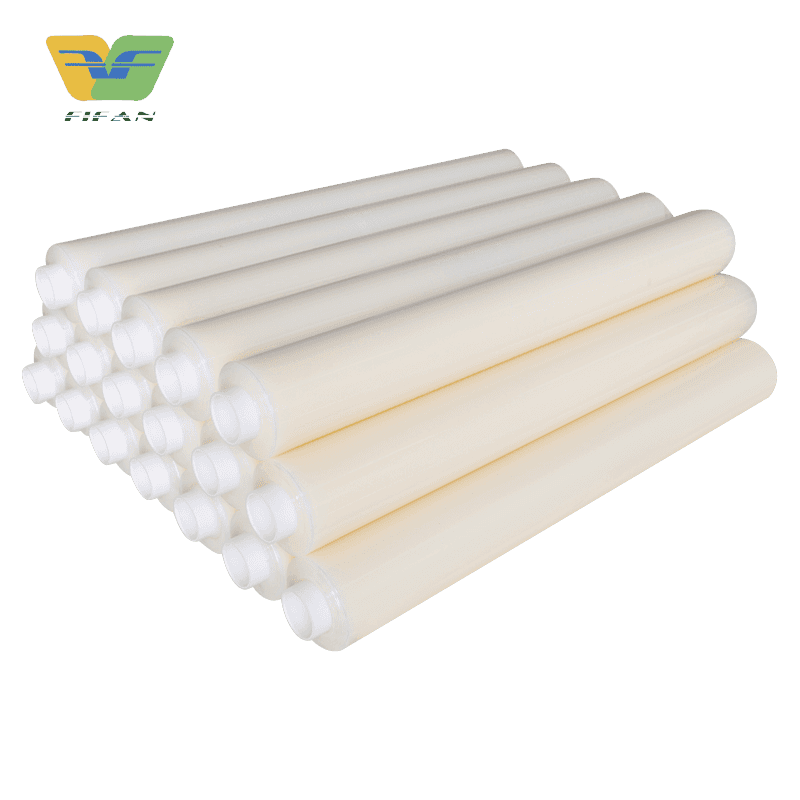
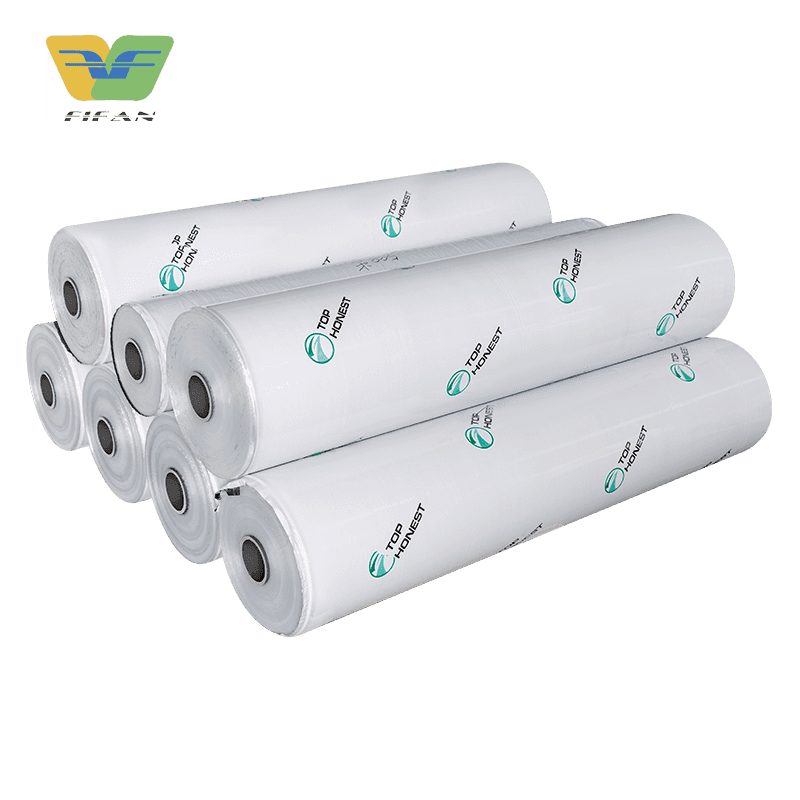
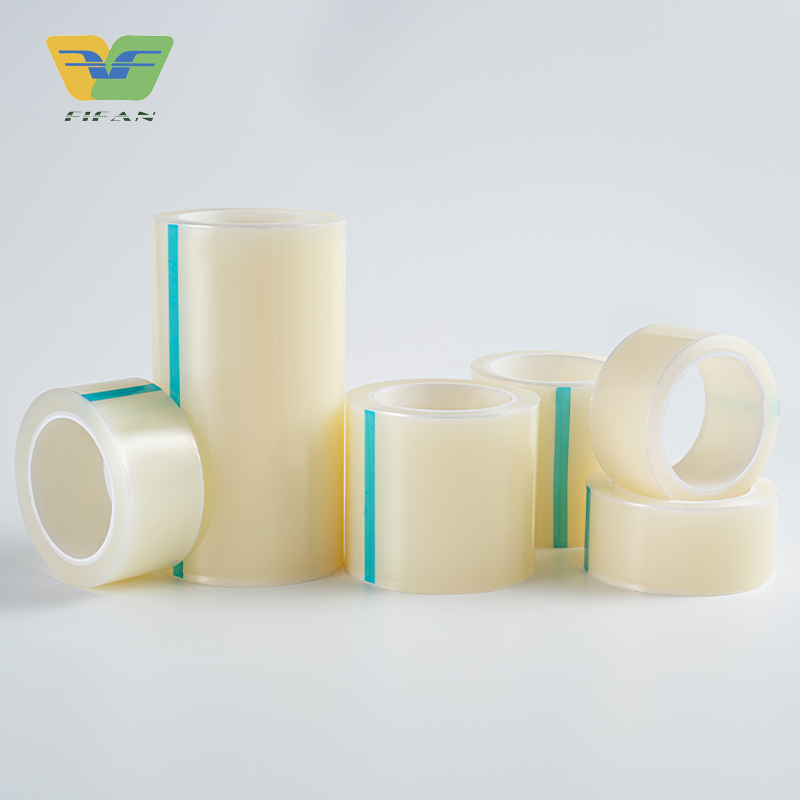
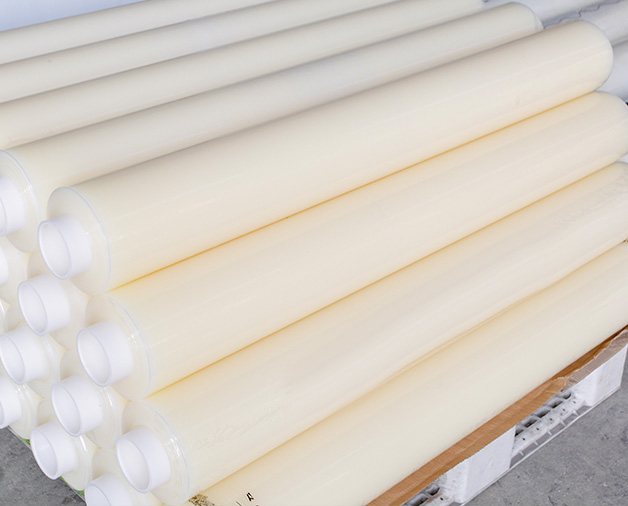
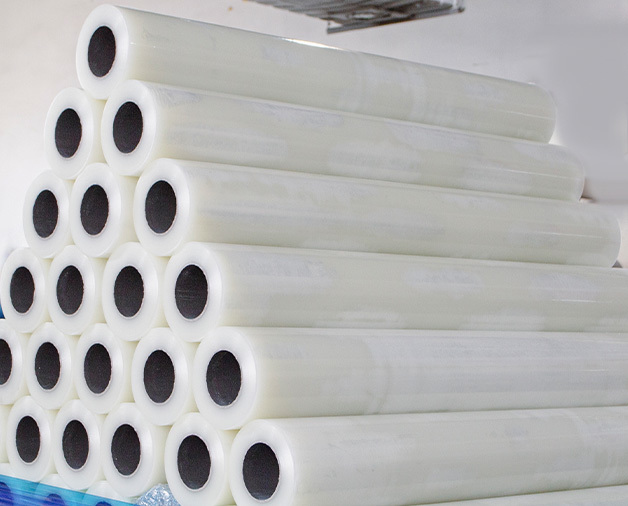
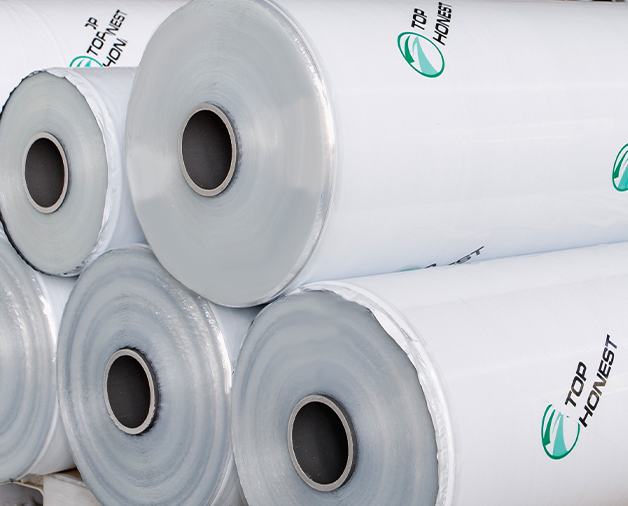
Anti-static performance can't just be sprayed or coated on as an afterthought — it needs to be engineered into the film's structure. In a three-layer co-extrusion process, conductive or static-dissipative agents are integrated directly into the polymer matrix during formation, rather than applied as a topical treatment that can wear off with handling or fade after a few months in storage. This is the approach behind our High-Performance Anti-Static PE Protective Film, which is built to hold a stable surface resistivity across its usable shelf life rather than just at the moment it leaves the factory.
Surface resistivity is typically targeted in the static-dissipative range rather than fully conductive, since dissipative materials bleed charge away gradually and safely, whereas overly conductive surfaces can introduce their own handling risks in certain electronic assembly contexts. Getting this balance right requires precise control over agent dispersion, which is where consistent in-house extrusion — rather than outsourced coating — makes a measurable difference in batch-to-batch uniformity.
Environments Where Anti-Static Film Earns Its Keep
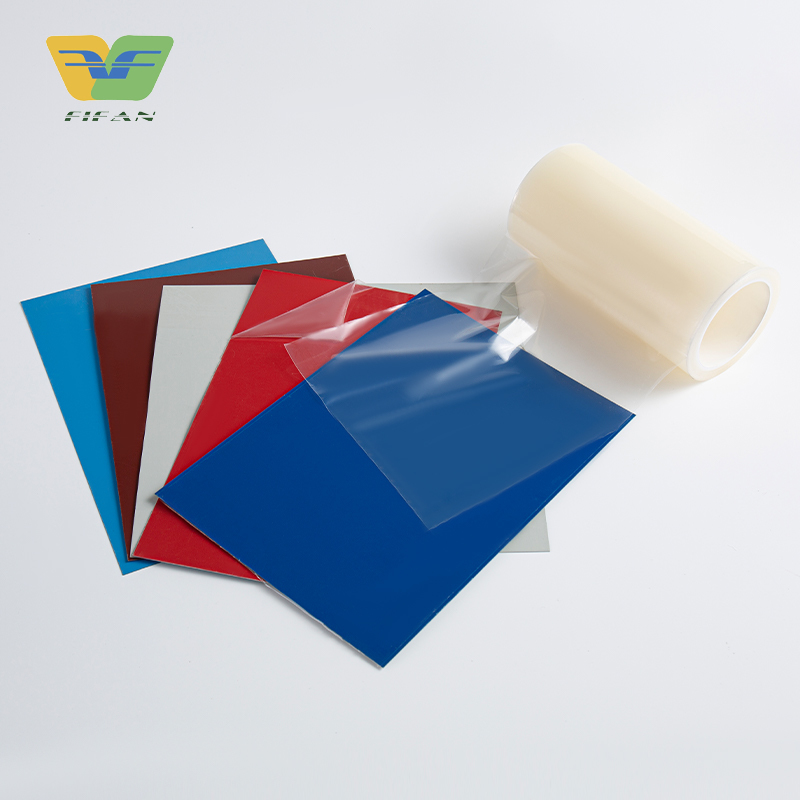
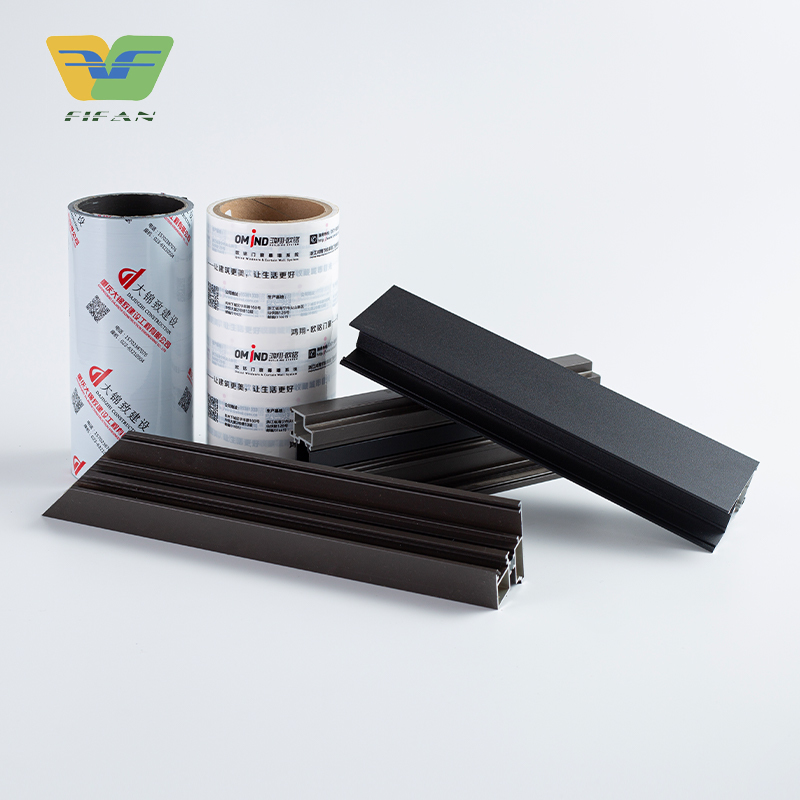
Electronics assembly lines are the obvious use case, but the need extends well beyond bare PCBs. Touchscreen modules, camera lens covers, and optical display stacks are all vulnerable to both ESD and the dust it attracts, and any visible particle trapped between protective film and display surface can mean a scrapped panel. High-gloss plastic components — the kind found in premium appliance trim or automotive interior panels — face a similar problem, where static-induced dust adsorption shows up as an aesthetic defect rather than a functional one, but is just as costly to rework.
Supplying customers across appliances, electronics-adjacent components, and precision plastics, Feifan controls the full production chain in-house, from blowing and coating through slitting and packaging, which allows tighter resistivity tolerances than a supplier relying on third-party lamination. That matters most for buyers whose downstream processes have no room for a film that performs inconsistently roll to roll.
| Application |
Primary Risk Without Anti-Static Film |
| PCB and semiconductor handling |
Latent ESD damage, field failures |
| Optical displays and lens covers |
Dust adsorption, visible surface defects |
| High-gloss plastic trim components |
Particle contamination, cosmetic rework |
Common ESD and dust-related risks across industries that rely on anti-static protective film.
Reading a Resistivity Spec Sheet Before You Commit to a Supplier
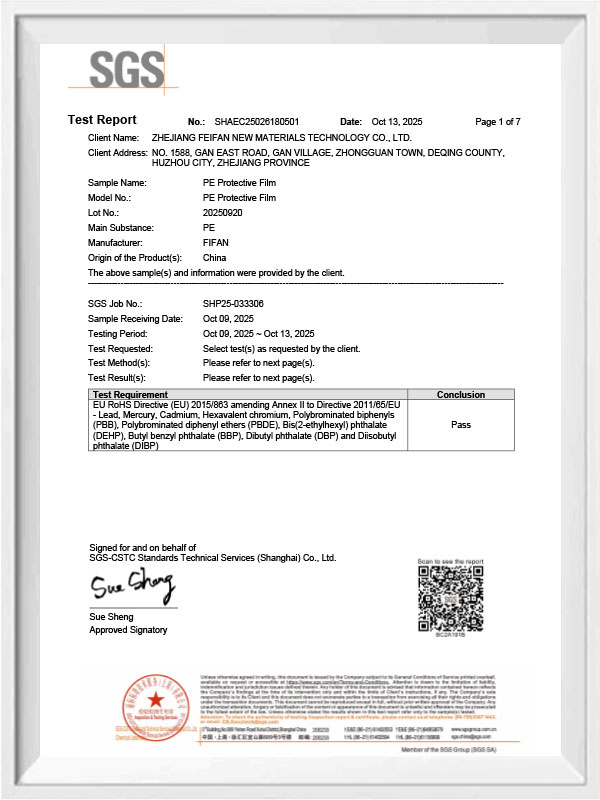
Not all anti-static films are tested the same way, so a resistivity number alone can be misleading. It matters whether the figure was measured immediately after production or after aging, since dissipative agents in lower-quality films can migrate or degrade over weeks of storage, quietly pushing the surface back toward insulative territory before the roll ever reaches a customer's line. Asking a supplier for resistivity data at multiple points in shelf life is a simple way to separate a genuinely engineered anti-static film from one that only tests well on day one.
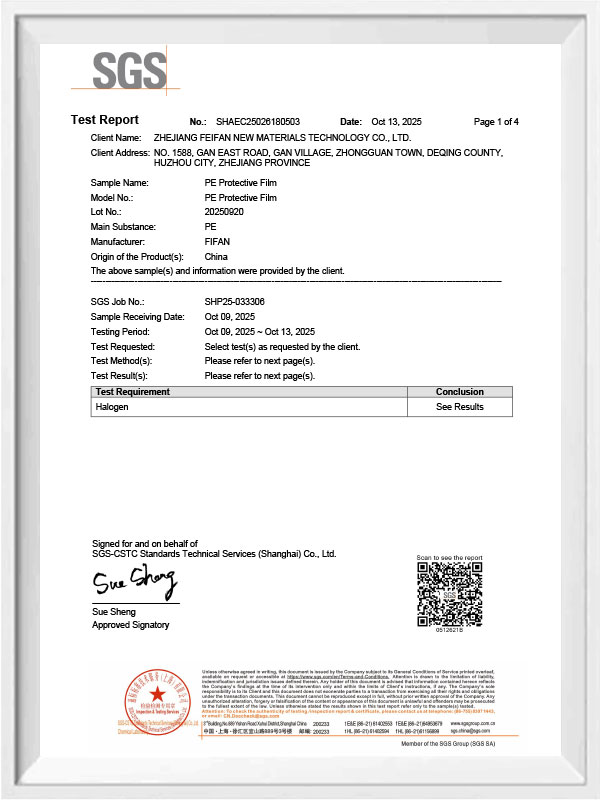
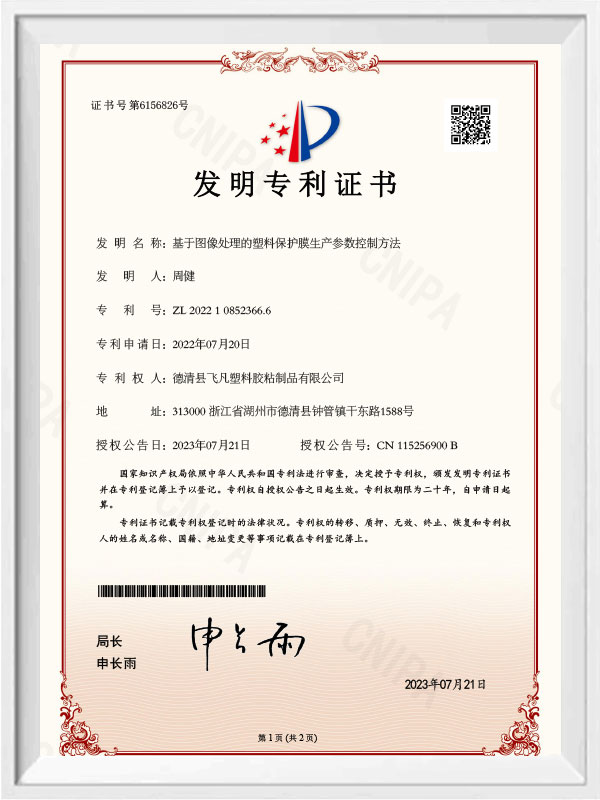
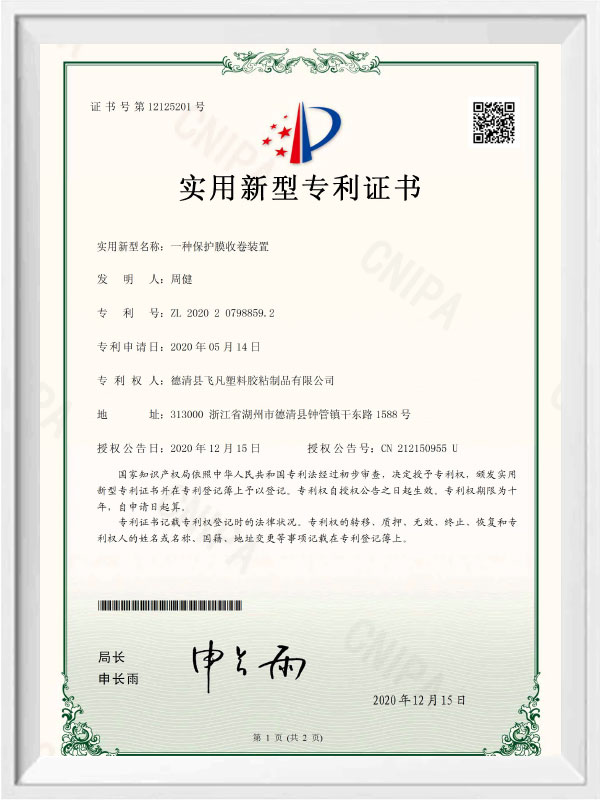
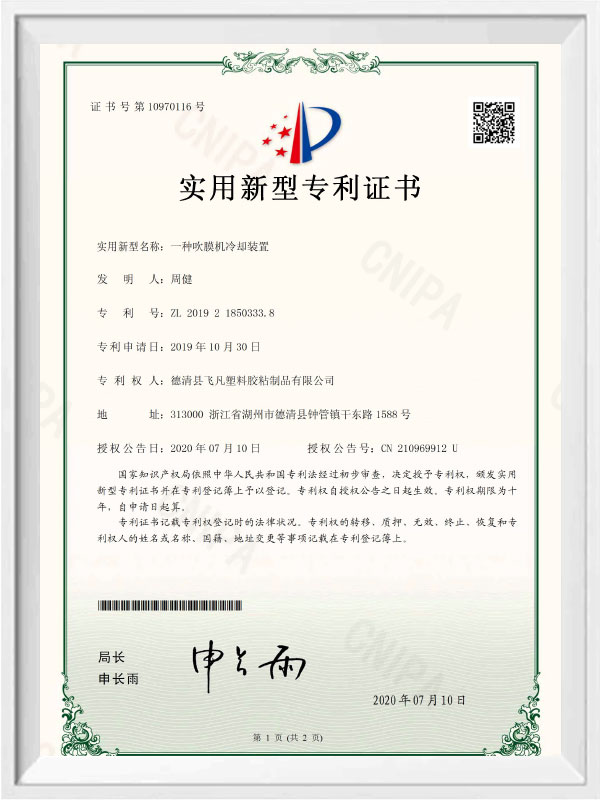
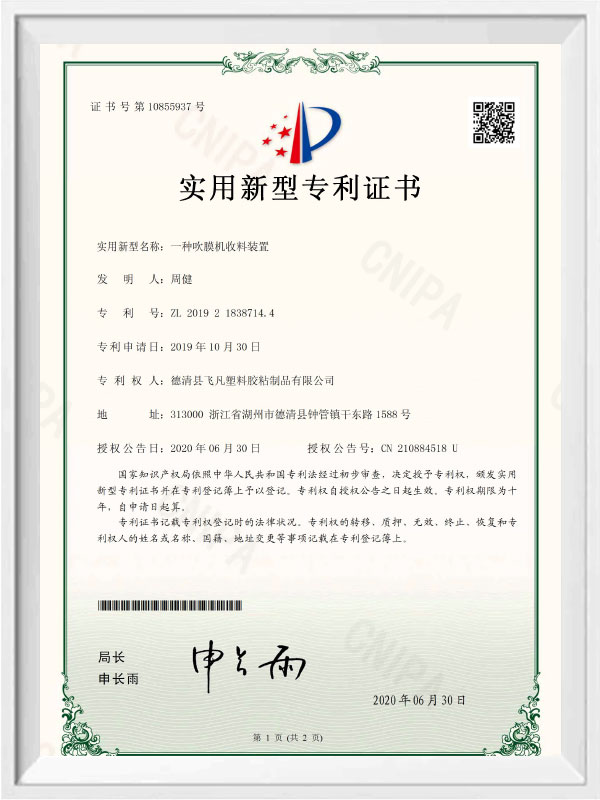
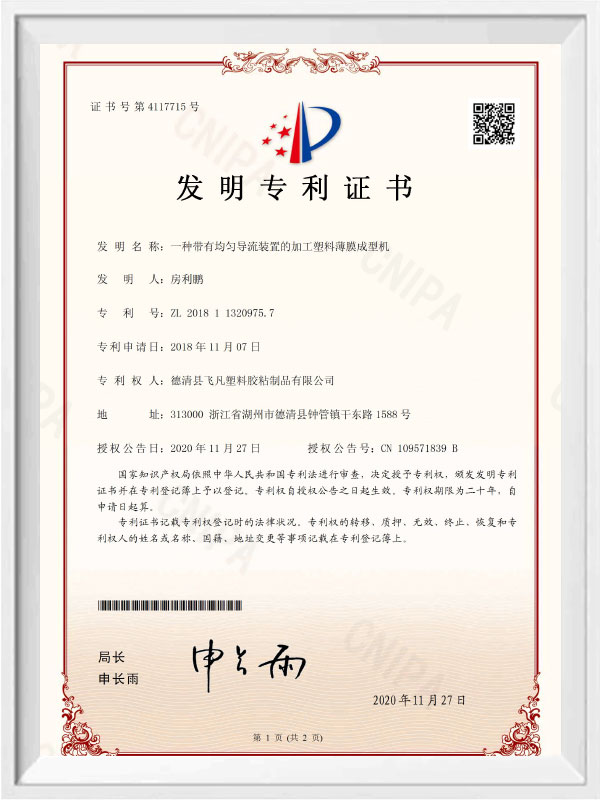
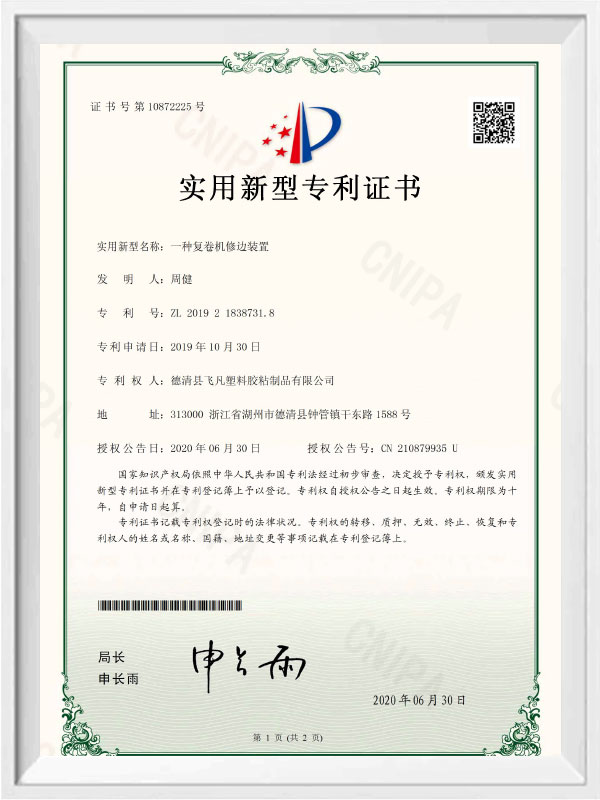
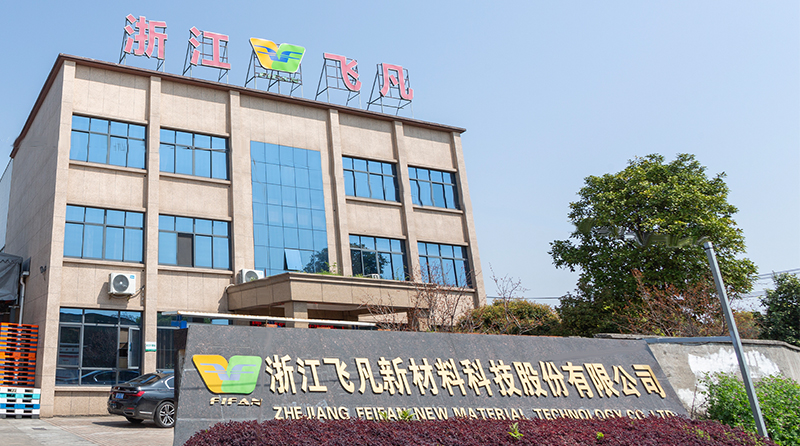
Holding a municipal R&D center along with multiple invention and utility model patents, Zhejiang Feifan New Material Technology treats this kind of long-term stability testing as standard practice rather than an optional extra, and that discipline is part of why appliance and electronics-adjacent customers keep coming back for repeat orders rather than one-off trial runs.
Balancing Static Protection with Removability and Cost
Anti-static performance shouldn't come at the expense of the other basics a protective film needs to deliver — clean removal, adequate UV resistance for staging under warehouse lighting, and a peel force that matches the substrate rather than fighting it. Some dissipative agents can subtly affect adhesive tack over time, so it's worth confirming that a supplier has validated the combination as a system rather than treating anti-static additive and adhesive layer as two unrelated specs.
For buyers evaluating cost per square meter, it's also worth factoring in the rework and scrap rate avoided by consistent static control, since a marginally cheaper film that causes even a small percentage of ESD-related failures downstream rarely ends up cheaper in practice. Our High-Performance Anti-Static PE Protective Film is built with that full-line cost picture in mind, not just the per-roll price tag.


 English
 русский
 عربى
عربى