How Does UV-Resistant PE Protective Film Protect Window and Door Frames?
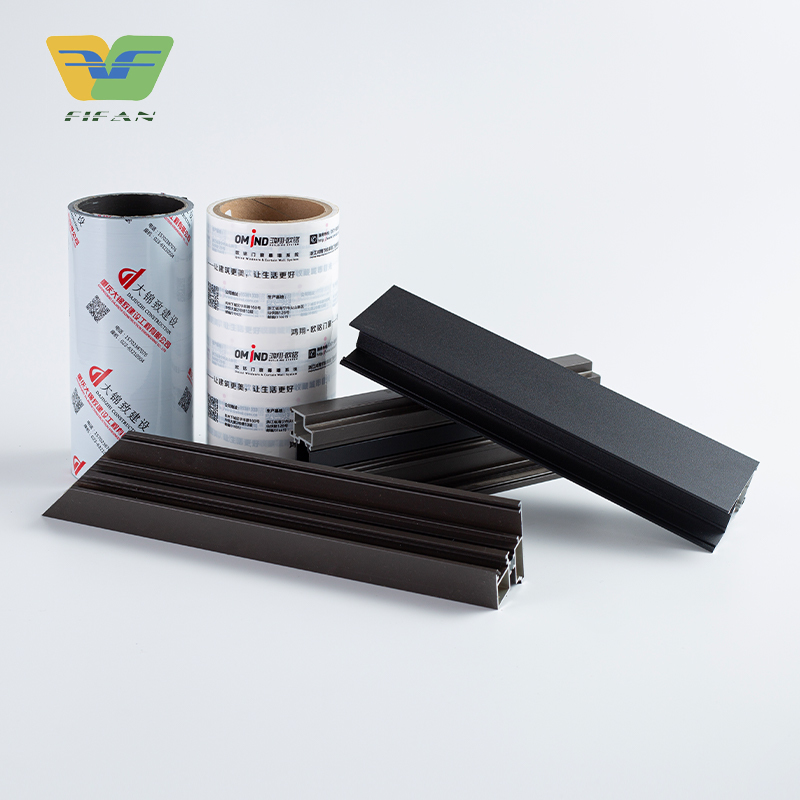
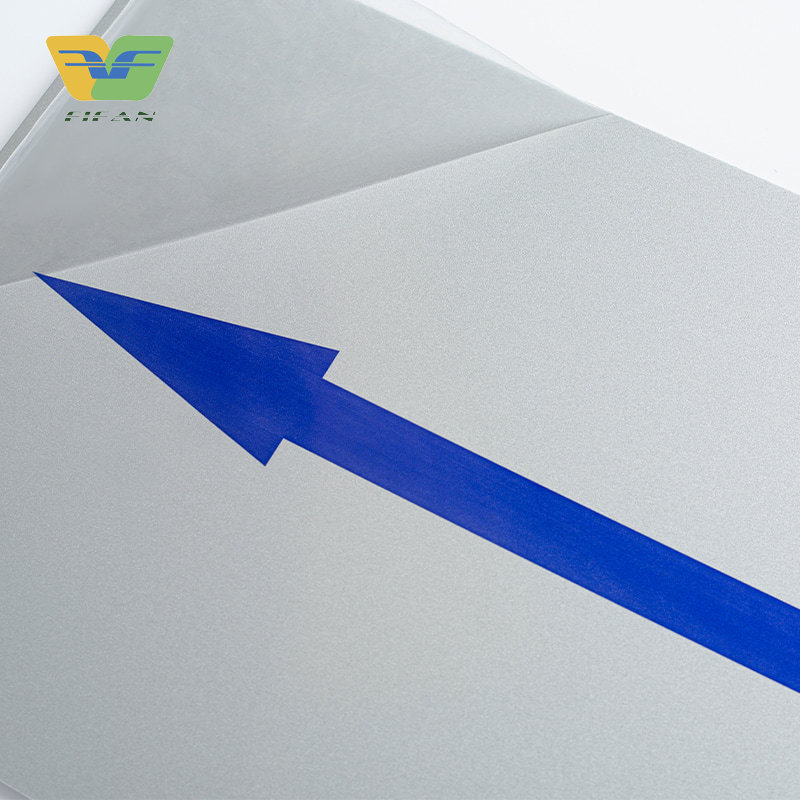
Window and door frames are exposed to numerous risks before they reach their final application. During fabrication, storage, transportation, and installation, surfaces can be scratched, contaminated, or degraded by prolonged sunlight. These issues not only affect appearance but may also increase maintenance costs and reduce customer satisfaction. As a result, UV-resistant PE protective film for windows and doors has become an essential temporary surface protection solution for manufacturers and installers.
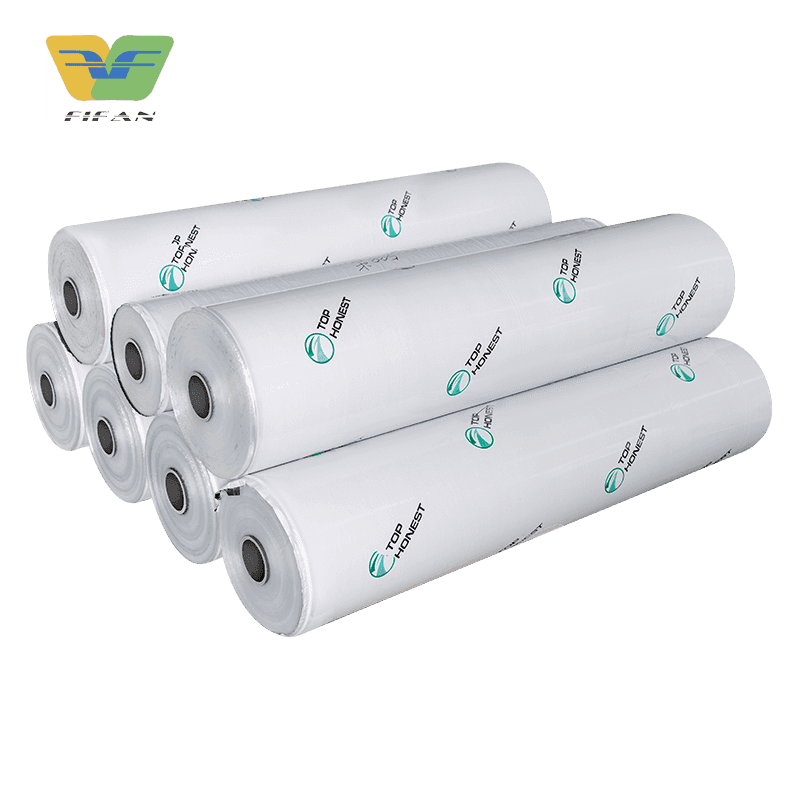
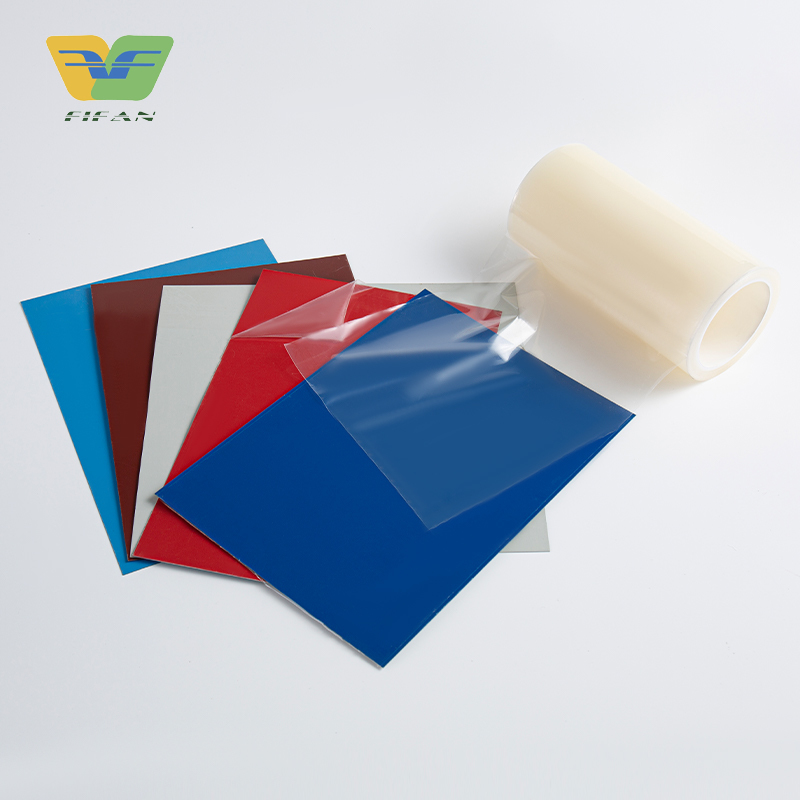
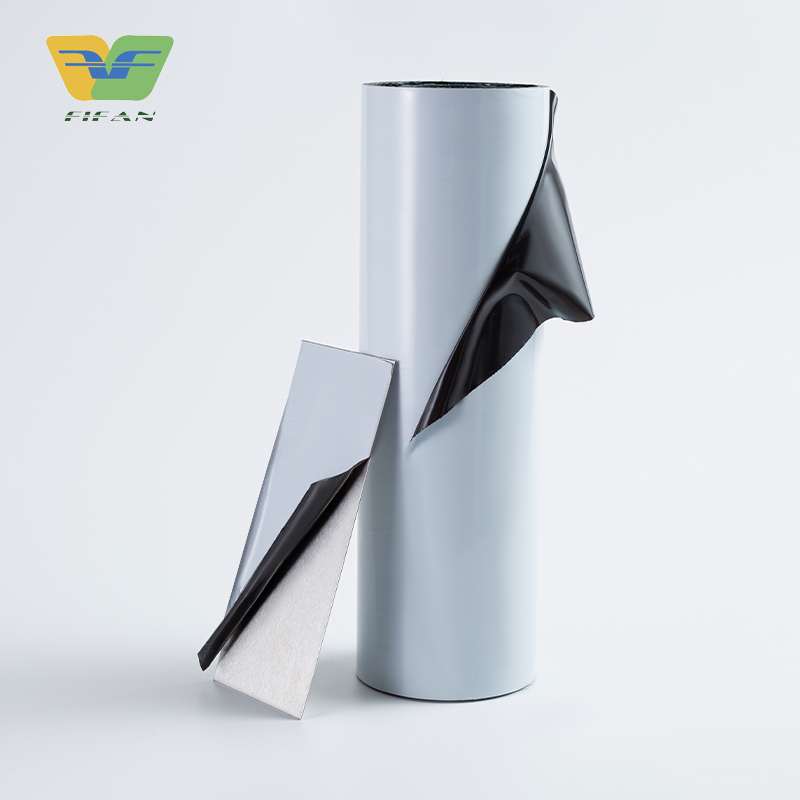
Unlike ordinary protective films, UV-resistant PE films are specifically engineered to withstand extended outdoor exposure while maintaining stable adhesion. They protect coated aluminum, PVC, stainless steel, painted metal, and composite materials without leaving adhesive residue after removal.
Why Is UV Resistance Important for Protective Film?
Protective films are often applied long before windows and doors are installed. During logistics and construction, products may remain outdoors for weeks or even months.
Standard PE films may experience adhesive degradation after prolonged ultraviolet exposure. This can result in adhesive residue, difficult removal, or film brittleness. A UV-resistant PE protective film is formulated with UV stabilizers that maintain both the polyethylene film and adhesive performance under sunlight.
Its primary purpose is to ensure that the protective layer performs consistently throughout the entire project cycle without affecting the underlying decorative surface.
Common Risks Without UV Protection
| Potential Risk |
Impact on Window and Door Frames |
Protection Provided by UV-Resistant PE Film |
| UV exposure |
Surface discoloration or adhesive aging |
Stable protection under sunlight |
| Dust contamination |
Difficult cleaning before delivery |
Prevents dust accumulation |
| Mechanical scratches |
Damaged decorative coatings |
Cushions against minor impacts |
| Construction debris |
Cement, paint, or sealant contamination |
Creates an effective protective barrier |
| Transportation friction |
Surface abrasion |
Reduces contact damage |
How Does UV-Resistant PE Protective Film Work?
The protection mechanism combines a durable polyethylene backing with a pressure-sensitive adhesive specifically designed for temporary protection.
The PE film acts as a physical barrier against external contaminants, while the adhesive securely bonds to the surface without damaging finishes during removal.
Its protective performance depends on several factors:
- Uniform film thickness
- Controlled adhesive strength
- UV-resistant additives
- Stable elongation and flexibility
- Consistent coating quality
Together, these characteristics allow the film to remain attached during processing while enabling clean removal when the project is completed.
Key Functions of UV-Resistant PE Protective Film for Windows and Doors
Modern UV-resistant PE protective film for windows and doors offers much more than scratch resistance. It protects product quality throughout every production stage.
Main Functional Advantages
| Function |
Practical Benefit |
| Scratch protection |
Prevents surface damage during handling |
| UV resistance |
Maintains performance during outdoor exposure |
| Clean removal |
Leaves no adhesive residue |
| Moisture resistance |
Protects against humidity and water droplets |
| Chemical resistance |
Shields surfaces from mild construction chemicals |
| Dust prevention |
Keeps decorative finishes clean |
| Easy application |
Improves production efficiency |
| Temporary protection |
Preserves product appearance until installation |
These functions make PE protective film suitable for both automated production lines and manual application processes.
Which Window and Door Materials Can Be Protected?
One advantage of window protective film is its compatibility with multiple substrate materials.
Common applications include:
- Powder-coated aluminum frames
- Anodized aluminum profiles
- PVC window frames
- Stainless steel decorative panels
- Composite door panels
- Painted metal components
- Glass combined with metal frames
Different surfaces require different adhesive strengths. Smooth glossy finishes typically require lower tack adhesives, while textured surfaces often need stronger adhesion to ensure reliable protection.
Material Comparison for Temporary Surface Protection
Choosing the appropriate protective material directly influences removal performance and protection quality.
| Material |
UV Resistance |
Flexibility |
Residue-Free Removal |
Typical Applications |
| Standard PE Film |
Moderate |
Excellent |
Moderate |
Indoor temporary protection |
| UV-Resistant PE Film |
Excellent |
Excellent |
Excellent |
Windows, doors, outdoor construction |
| PVC Film |
Good |
Good |
Moderate |
Industrial applications |
| PET Film |
Excellent |
Lower flexibility |
Good |
High-temperature processing |
For window and door manufacturing, UV-resistant polyethylene film offers an effective balance between flexibility, durability, and clean removability.
How Does the Film Improve Manufacturing Efficiency?
Protective films are not only designed to protect finished products but also to streamline production.
Because the film remains attached during cutting, drilling, bending, transportation, and installation, manufacturers spend less time repairing cosmetic defects.
Operational benefits include:
- Lower product rejection rates
- Reduced polishing and cleaning
- Improved appearance consistency
- Simplified packaging processes
- Better customer acceptance after installation
By preventing avoidable surface damage, manufacturers can maintain higher production efficiency while reducing unnecessary material waste.
What Should Be Considered When Selecting UV-Resistant PE Protective Film?
Different production environments require different film specifications.
Important selection factors include:
Surface Compatibility
The adhesive should match the substrate, whether it is powder-coated aluminum, PVC, stainless steel, or painted metal.
Outdoor Exposure Duration
Construction schedules vary considerably. Films designed for extended UV exposure maintain adhesion stability throughout longer installation periods.
Adhesive Strength
Selecting appropriate adhesion prevents film lifting while ensuring clean removal after use.
Film Thickness
Thicker films generally provide greater impact resistance, while thinner films offer better flexibility for complex profile shapes.
Environmental Conditions
Temperature, humidity, and sunlight intensity should all be considered when selecting a protective solution.
Why Manufacturing Consistency Matters
The overall quality of a protective film depends not only on raw materials but also on manufacturing consistency.
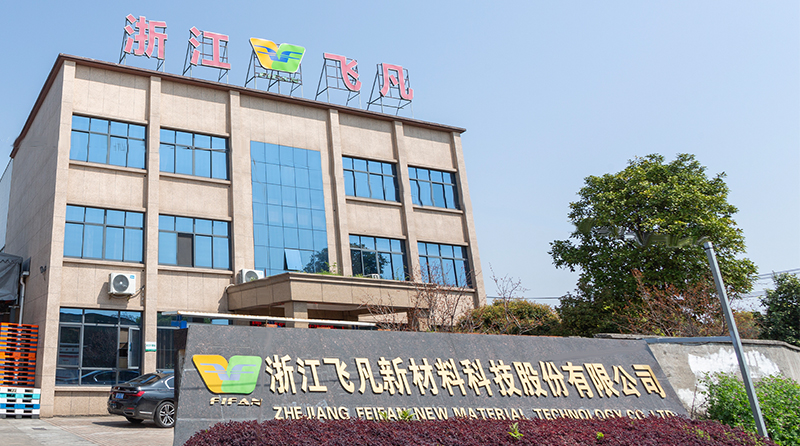
Zhejiang Feifan New Material Technology Co., Ltd. has focused on PE film and PE protective film manufacturing for many years. From blowing and coating to slitting and packaging, the company manages the complete production process in-house. This integrated manufacturing approach helps maintain stable product quality and consistent adhesive performance across different production batches.
With advanced production equipment and a centralized feeding system, the company has an annual production capacity of 8,000 tons of PE film and 50 million square meters of PE protective film, enabling reliable supply for various industrial applications.
Its PE protective films are widely applied in industries including appliances, stainless steel, aviation, food packaging, and architectural materials such as windows and doors.
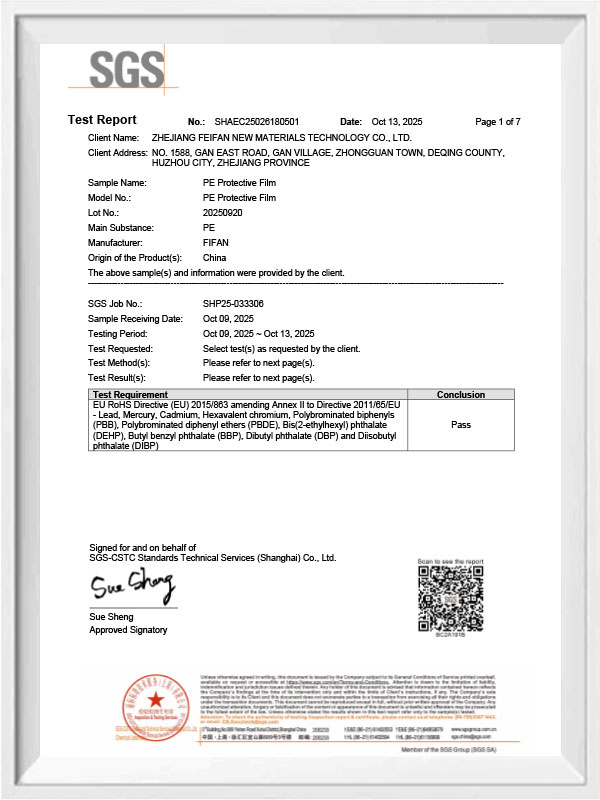
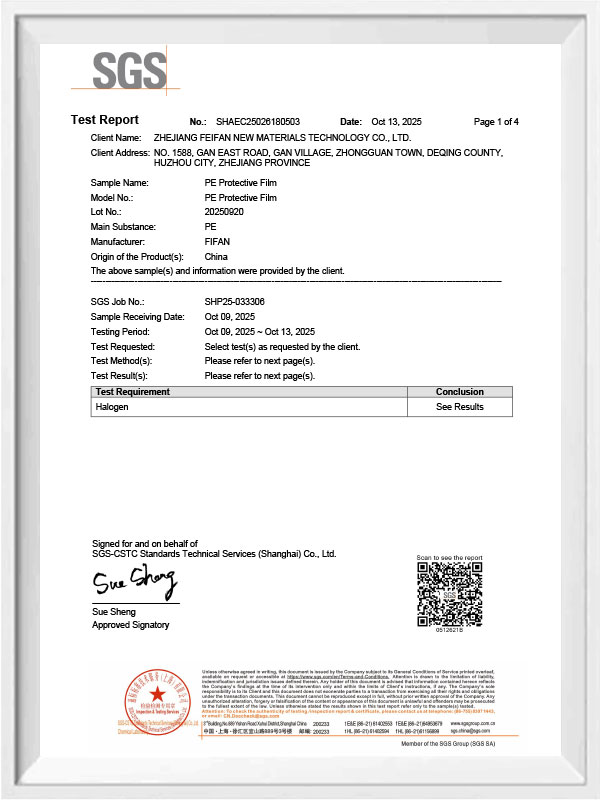
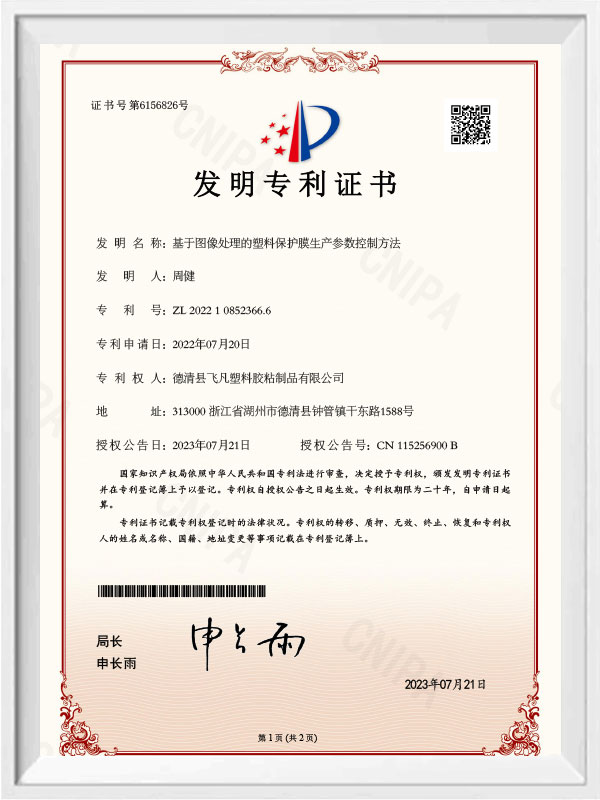
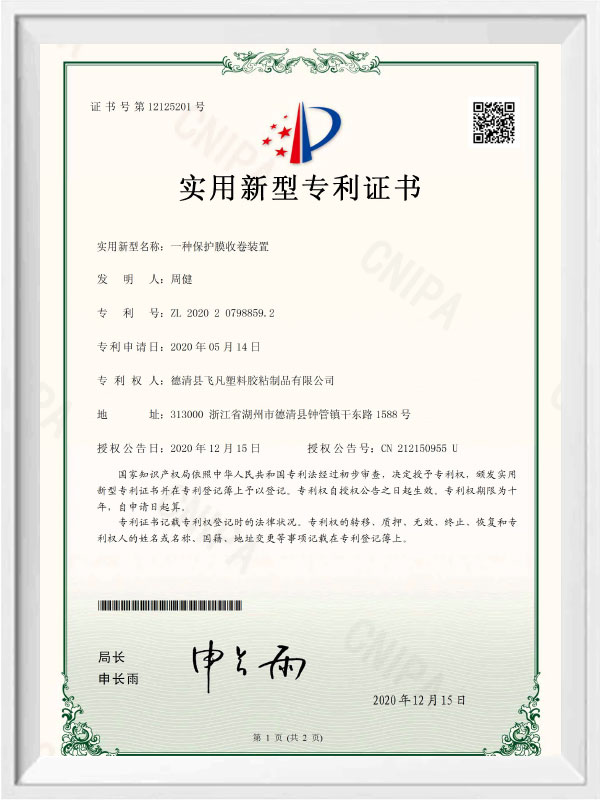
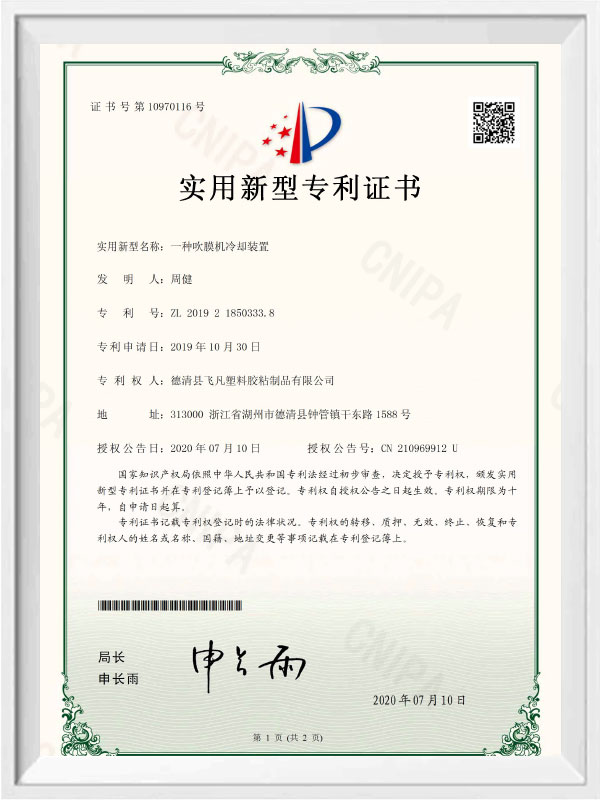
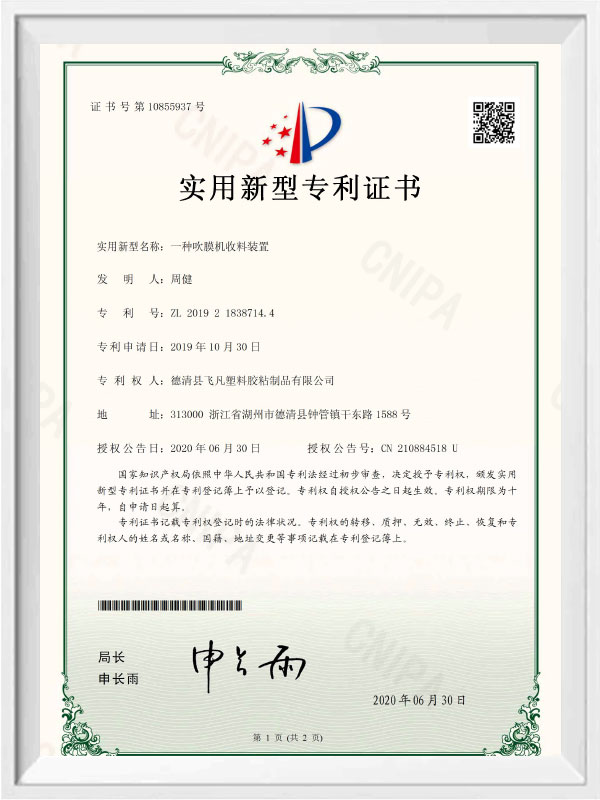
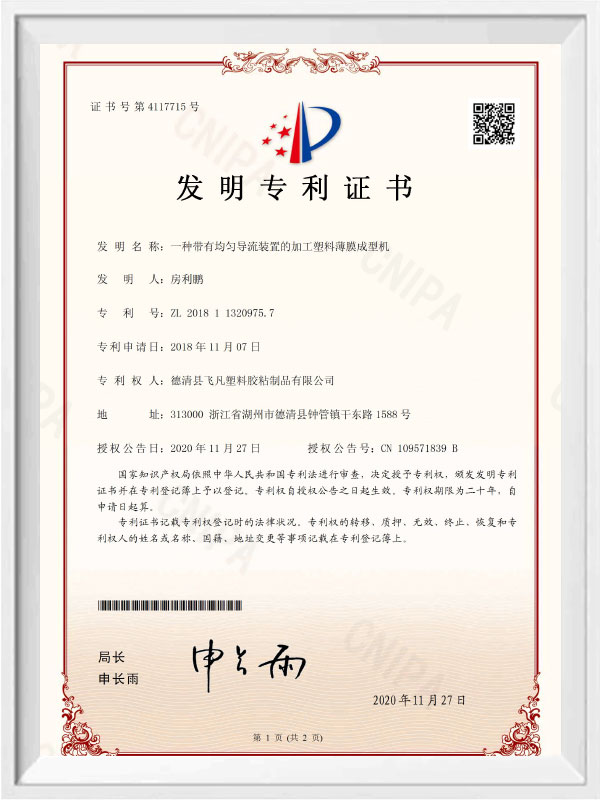
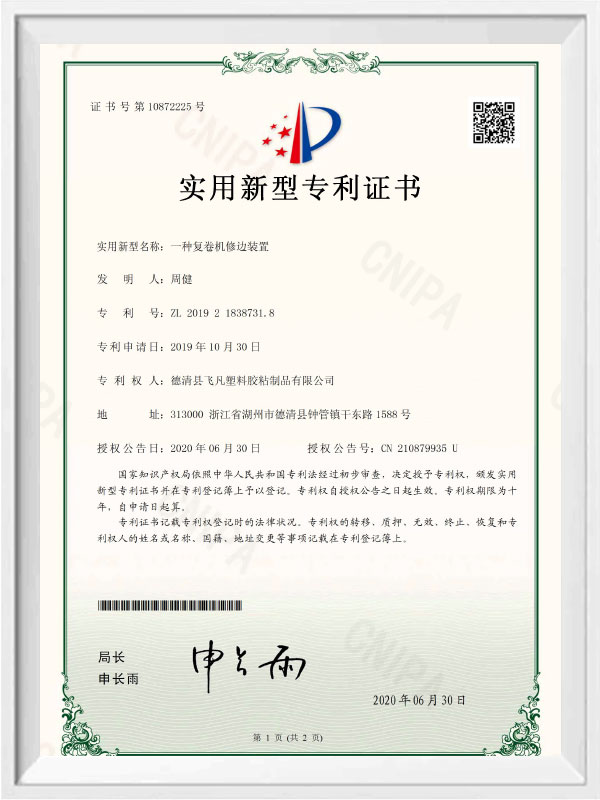
As a National High-Tech Enterprise and a Provincial Specialized and Innovative SME, Zhejiang Feifan New Material Technology Co., Ltd. continues to strengthen product development through its municipal R&D center, supported by 2 invention patents and 15 utility model patents. Continuous research allows the company to improve UV resistance, adhesive stability, and processing performance to meet evolving market requirements.
Conclusion
UV-resistant PE protective film for windows and doors plays an essential role in protecting decorative surfaces throughout manufacturing, transportation, storage, and installation. By combining reliable UV stability, clean removability, scratch resistance, and excellent surface compatibility, it helps maintain the appearance and value of window and door products until they reach their final destination.
Selecting a professionally manufactured protective film with appropriate adhesive properties and consistent production quality enables manufacturers to reduce defects, improve operational efficiency, and deliver higher-quality finished products across a wide range of architectural applications.
FAQ
1. How long can UV-resistant PE protective film remain outdoors?
The outdoor exposure period depends on the specific film formulation, but UV-resistant grades are designed to maintain stable adhesion and allow clean removal after extended sunlight exposure.
2. Will PE protective film leave adhesive residue after removal?
High-quality UV-resistant PE protective film is designed for residue-free removal when used according to the recommended application conditions and exposure time.
3. Can the same protective film be used on aluminum and PVC window frames?
Yes. However, different surface materials may require different adhesive strengths to ensure reliable protection and clean removal.
4. What is the difference between standard PE film and UV-resistant PE film?
UV-resistant PE film contains specialized stabilizers that improve weather resistance and maintain adhesive performance during prolonged outdoor exposure, making it more suitable for window and door applications.
5. Which industries commonly use UV-resistant PE protective film?
Besides windows and doors, UV-resistant PE protective film is widely used for stainless steel panels, appliances, decorative metal sheets, composite materials, automotive components, and various industrial surface protection applications.

 English
 русский
 عربى
عربى