
- Product
-
Our Story
Why Choose Us?We are a national high-tech enterprise and a provincial "Specialized and Refined" SME, focusing on the R&D, production, and sales of PE protective film. As a leader in the industry, we are committed to serving global customers with innovative technology and have won wide recognition in the market.
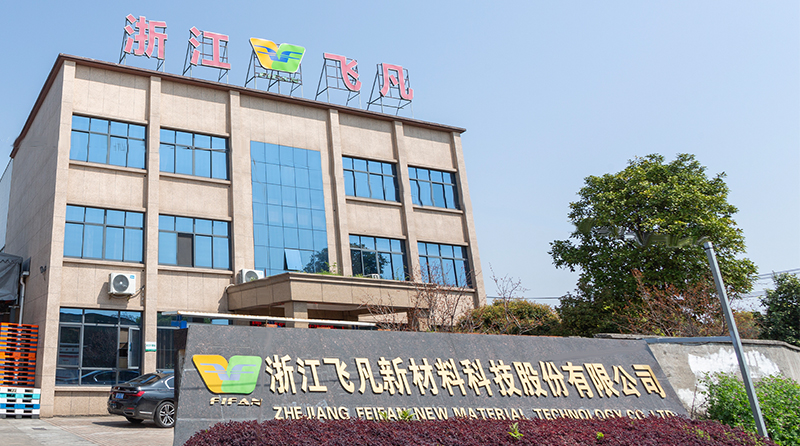 Coming From China, Marketing To The World.
 -
News
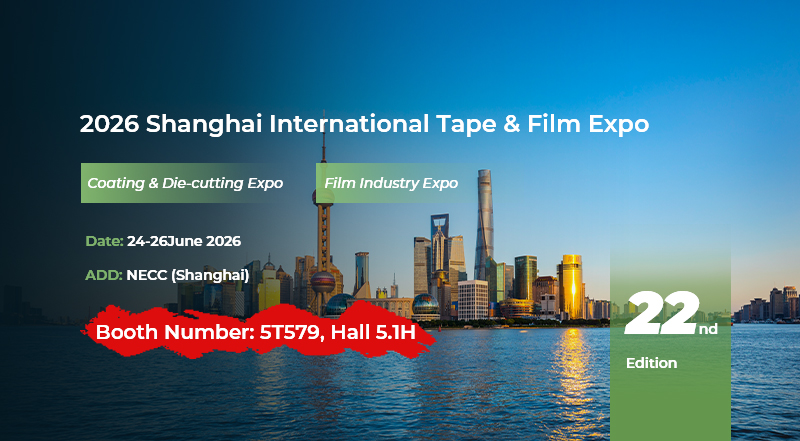 Feifan was invited to participate in the 2026 Shanghai International Tape and Film Exhibition
Dear Valued Customer / Partner, We are pleased to announce that our company will be exhibiting at APFE 2026 – the 22nd Shanghai International Adhesive Tape & Film Expo (Coating & Laminating E...
 English
 русский
 عربى
عربىAdhesive Protective Film: Complete Guide for Surface Protection
Content
Surface Protection / Adhesive Films
Adhesive Protective Film
A complete technical guide to adhesive protective films — materials, applications, and selection.
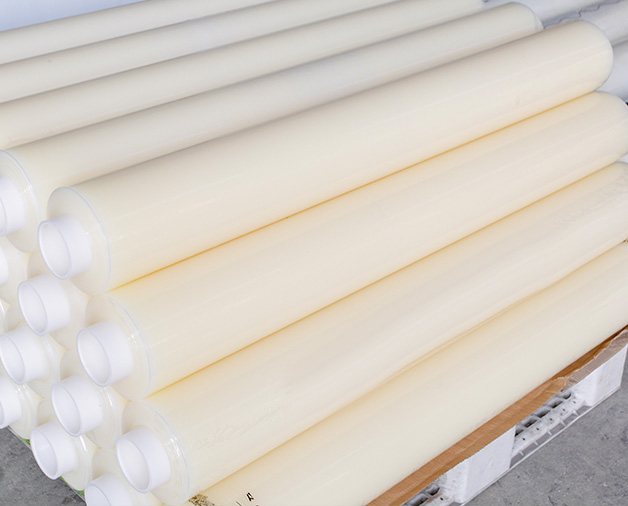
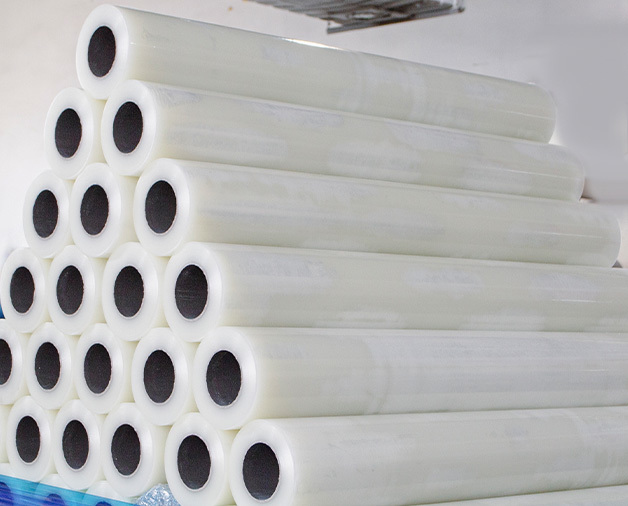
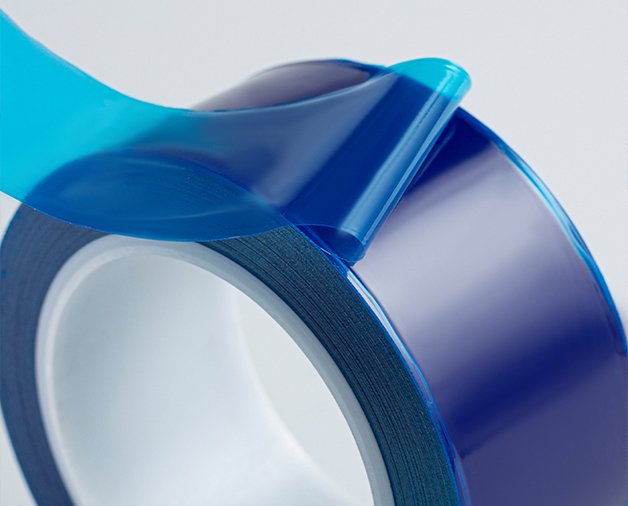
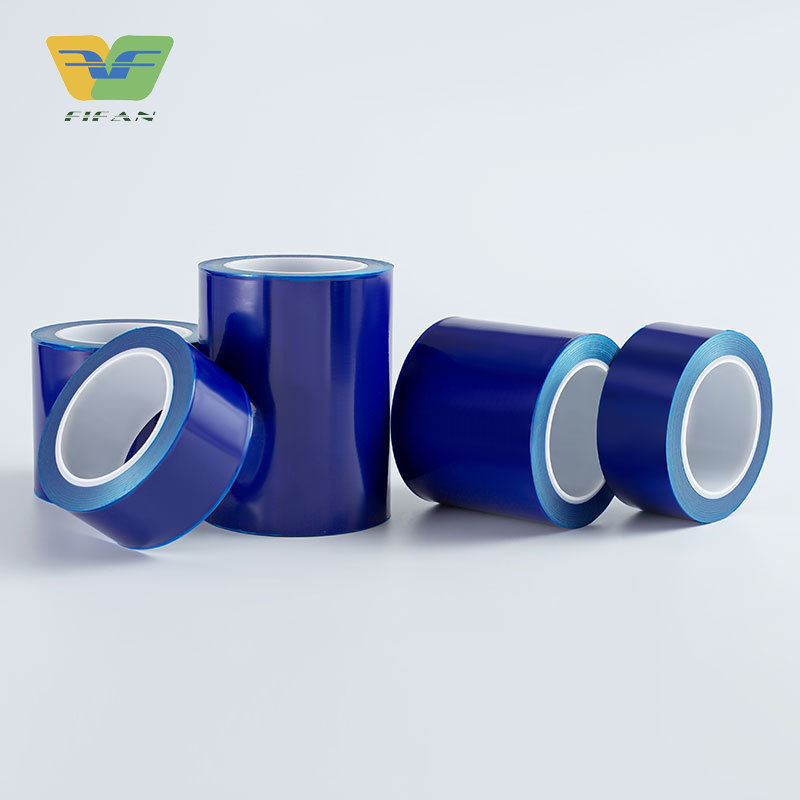
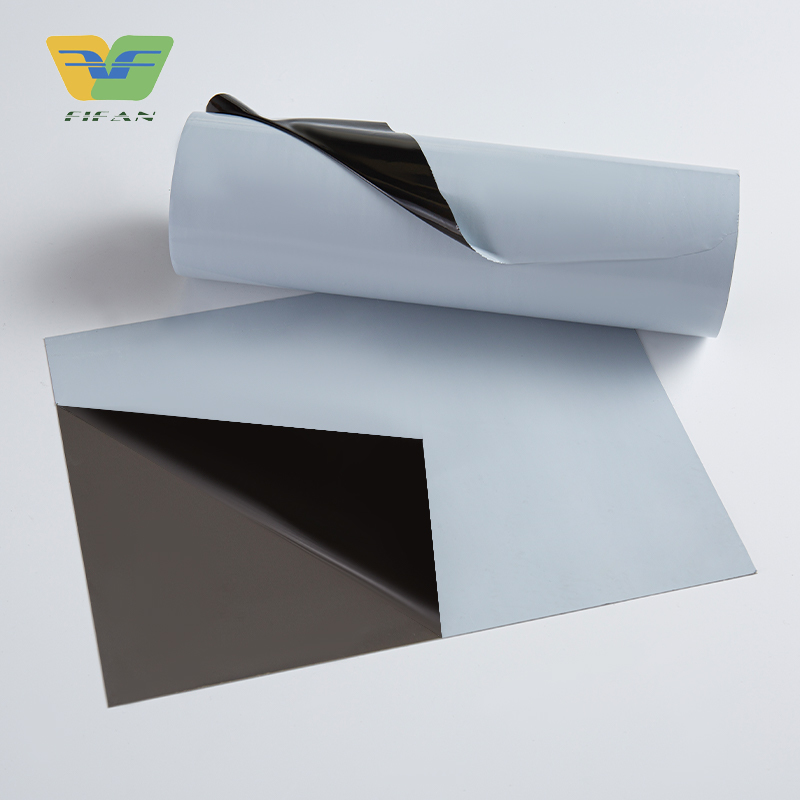
Adhesive protective film is a temporary surface protection solution designed to safeguard materials during fabrication, handling, transportation, and installation. It consists of a flexible film backing coated with a pressure-sensitive adhesive that bonds to surfaces while allowing clean removal without residue.
From construction materials and automotive components to electronic devices and finished products, adhesive protective films provide reliable protection against scratches, abrasion, dust, moisture, and chemical contaminants. They are essential for preserving surface quality and reducing rework costs.
Adhesive protective films are the first line of defense for finished surfaces — protecting quality from production to installation.
What Is Adhesive Protective Film
Adhesive protective film is a self-adhesive material designed to temporarily cover and protect surfaces during manufacturing, transport, and installation processes. It combines a flexible film substrate with a pressure-sensitive adhesive that provides reliable bonding while enabling clean, residue-free removal.
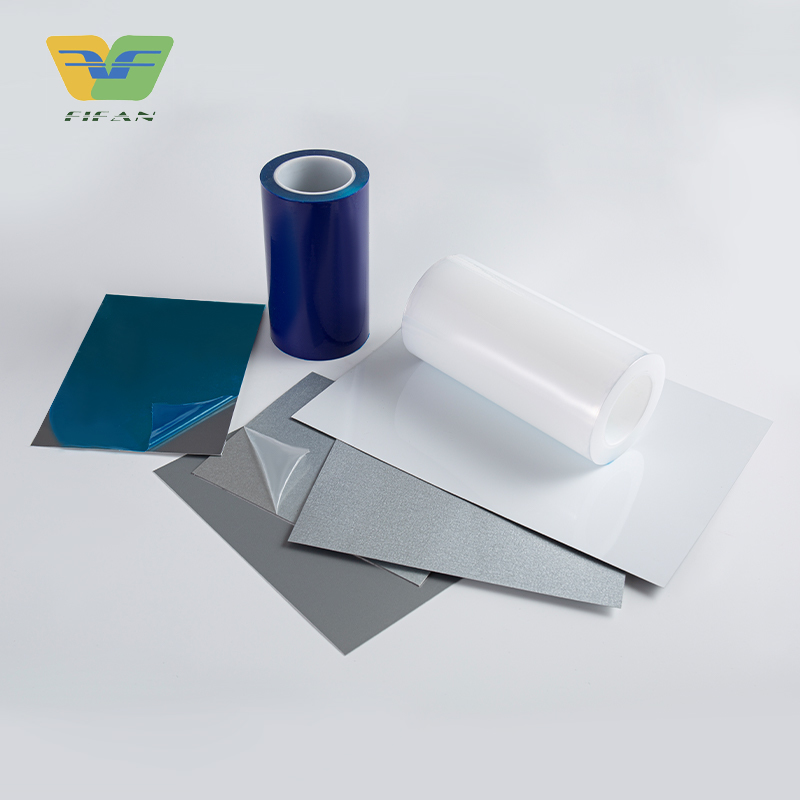
The film backing is typically made from polyethylene (PE), polypropylene (PP), polyvinyl chloride (PVC), or polyester (PET). The choice of backing material determines the film's flexibility, durability, and resistance properties.
Flexible, cost-effective, and widely used for general surface protection. Suitable for smooth surfaces and short-term protection.
High clarity and stiffness. Offers excellent resistance to moisture and chemicals. Suitable for demanding applications.
Good conformability and durability. Often used for outdoor applications and curved surfaces.
Lightweight and resistant to moisture. Good clarity and printability for branded protection films.
Key Features and Benefits
Adhesive protective film offers a range of features that make it an essential solution for surface protection:
Engineered adhesives allow the film to be peeled off cleanly without leaving residue or damaging the underlying surface. This is essential for maintaining surface quality and appearance.
The film acts as a sacrificial layer that absorbs scratches, scuffs, and abrasion during handling and fabrication. It protects the underlying surface from damage that would otherwise require costly rework.
Protective films shield surfaces from moisture, dust, oils, and chemical contaminants. This is particularly important during construction and manufacturing where exposure to harmful substances is common.
UV-stabilized films resist degradation from sunlight exposure, making them suitable for outdoor applications where extended protection is required.
Flexible films conform to curved, textured, or irregular surfaces, providing consistent protection on complex geometries.
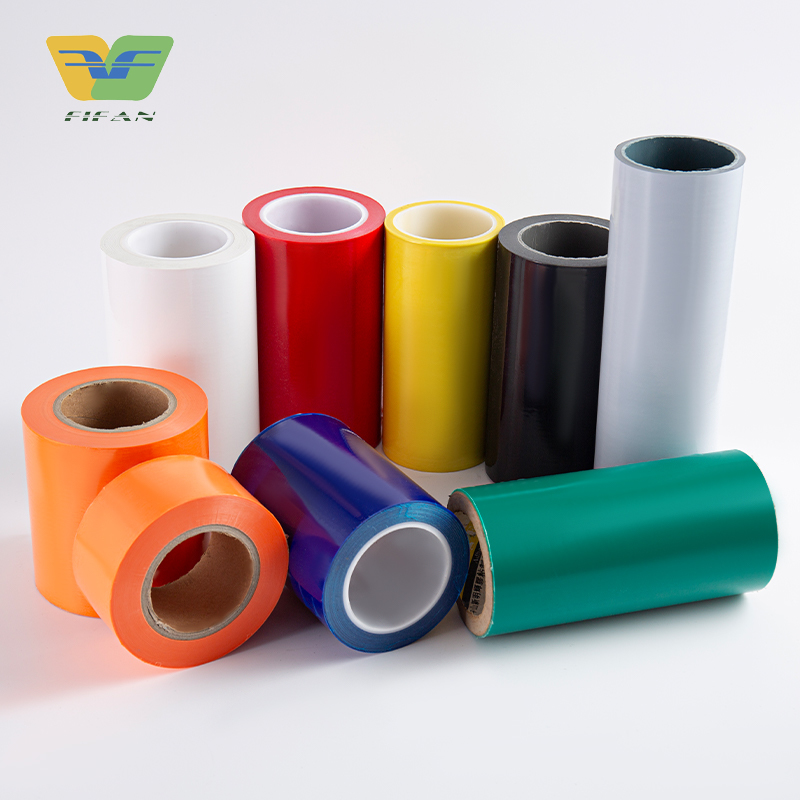
Available in various thicknesses, colors, and adhesive strengths to suit different substrates and application requirements.
Adhesive Types and Selection
The adhesive system is a critical component of adhesive protective film. The choice of adhesive determines bonding strength, removability, and compatibility with different surfaces.
| Adhesive Type | Adhesion Level | Suitable Surfaces | Typical Applications |
|---|---|---|---|
| Low-Tack | Low (50-150 g/25mm) | Glass, polished metal, coated surfaces | Interior protection, short-term |
| Medium-Tack | Medium (150-400 g/25mm) | Painted panels, composites, plastics | General industrial protection |
| High-Tack | High (400-800 g/25mm) | Rough surfaces, textured materials | Outdoor, extended protection |
| Removable | Variable | Surfaces requiring clean removal | Applications where residue is unacceptable |
Applications
Adhesive protective film is used across a wide range of industries and applications:
Glass panels, aluminum sheets, stainless steel, stone, and tiles during fabrication, transport, and installation.
Paint protection, interior trim, and exterior surfaces during manufacturing and shipping.
Screen protection, panel protection, and component protection during assembly and handling.
Surfaces of finished furniture during production, storage, and delivery to prevent damage.
Protecting metal sheets, coils, and finished parts from scratches and contaminants.
Protecting acrylic, polycarbonate, and other plastic sheets during fabrication and installation.
Comparison of Film Materials
| Material | Flexibility | Durability | Moisture Resistance | Clarity | Best Application |
|---|---|---|---|---|---|
| PE | Excellent | Good | Good | Moderate | General surface protection |
| PET | Moderate | Excellent | Excellent | Excellent | Demanding, high-clarity |
| PVC | Good | Good | Moderate | Good | Outdoor, curved surfaces |
| PP | Good | Good | Excellent | Good | Lightweight, moisture-resistant |
Selection Guide
Selecting the right adhesive protective film requires consideration of several factors:
Determine the surface material to be protected. Different surfaces require different adhesive strengths and film characteristics.
Consider how long the film needs to stay in place — from a few days to several months. Longer periods may require UV-stabilized films.
Consider temperature, humidity, UV exposure, and potential chemical contact during the protection period.
Choose the appropriate thickness based on the level of protection required and the flexibility needed for the application.
Ensure the adhesive is compatible with the surface material to avoid residue or surface damage upon removal.
Evaluate whether the film will be applied manually or with automated equipment, and select the appropriate film characteristics.
Frequently Asked Questions
Your email address will not be published. Required fields are marked *
-
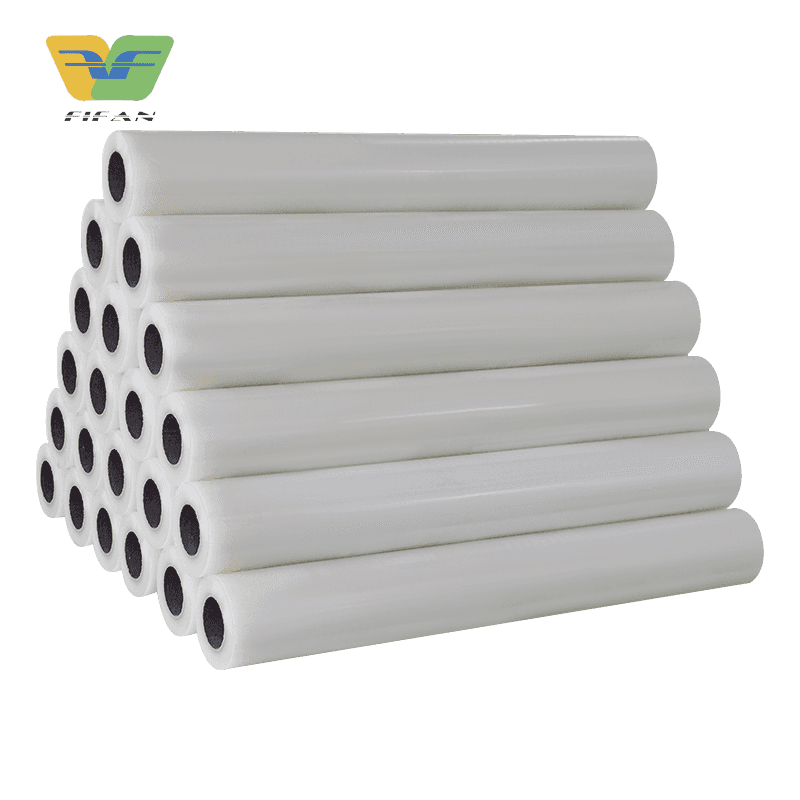
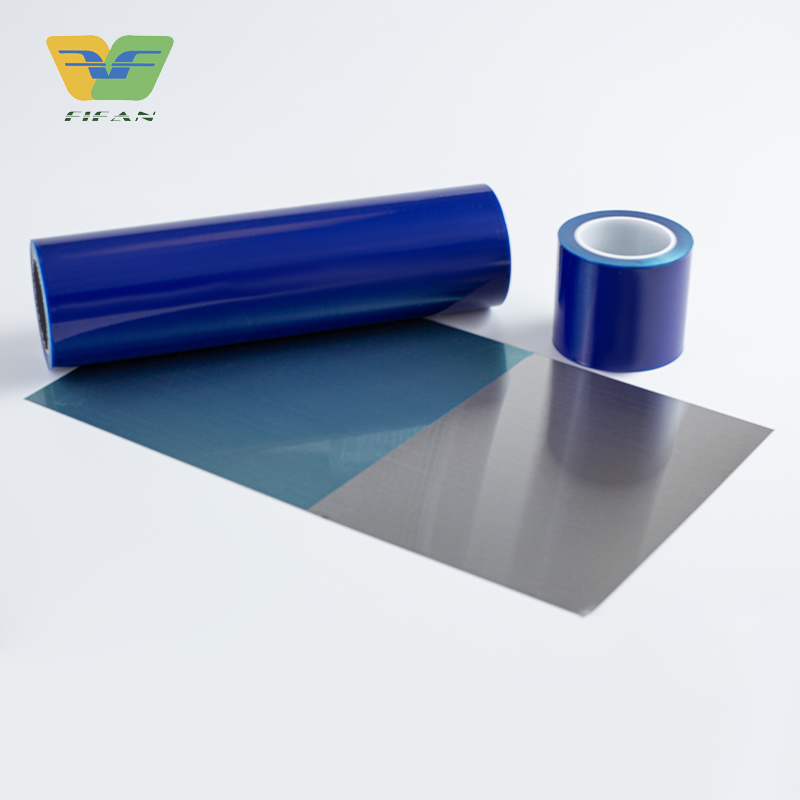
Self Adhesive PE Protective Film Glue-less Surface Self-Adhesive PE Protective Film for Metal Sheets & Plates View More
-
-
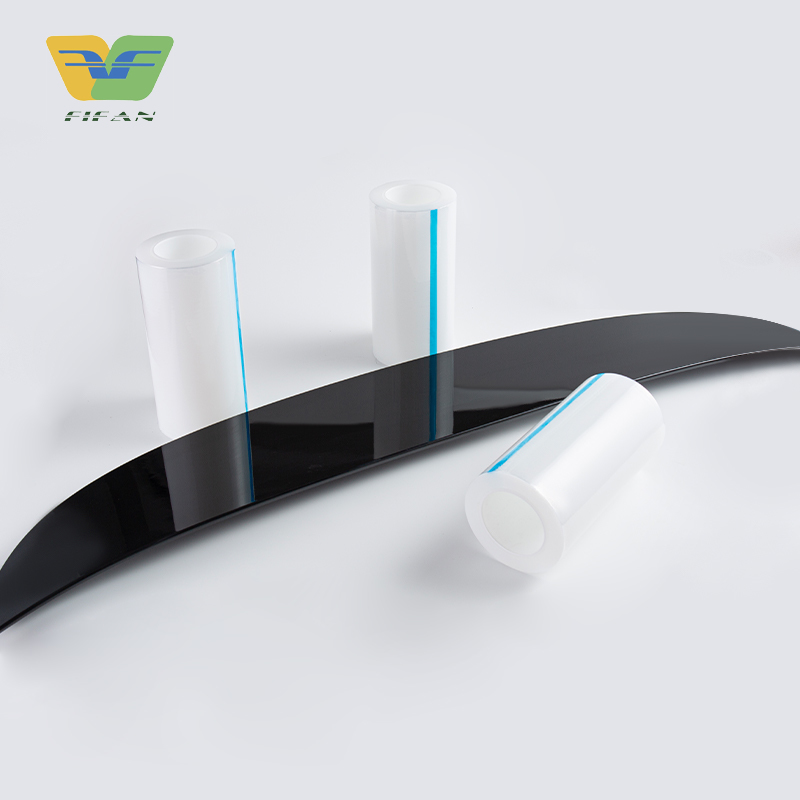
Self Adhesive PE Protective Film Self-Adhesive PE Protective Film for High-Gloss Injection Molded Parts View More
-
-
Self Adhesive PE Protective Film Self-Adhesive PE Protective Film for Polycarbonate (PC) Sheets View More
-

Address: No. 1588 Gan Dong Road, Zhongguan Town, Deqing County, Huzhou City, Zhejiang Province, China
TEL: +86-572-8498038 / +86-15067289913
E-mail: [email protected]
Mobile
WhatsApp

Copyright © Zhejiang Feifan New Material Technology Co., Ltd. All Rights Reserved
