Self-Adhesive PE Protective Film for High-Gloss Injection Molded Parts Industry knowledge
What is the difference between co-extruded and coated adhesive films for high-gloss parts?
High-gloss injection molded components are widely used in consumer electronics, home appliances, automotive interiors, medical devices, and premium industrial products because of their attractive appearance and excellent surface quality. These parts often feature mirror-like finishes that immediately reveal even the smallest scratch, dust particle, or pressure mark. During production, transportation, assembly, and final packaging, manufacturers therefore rely on protective films to preserve appearance until the finished product reaches the end user.
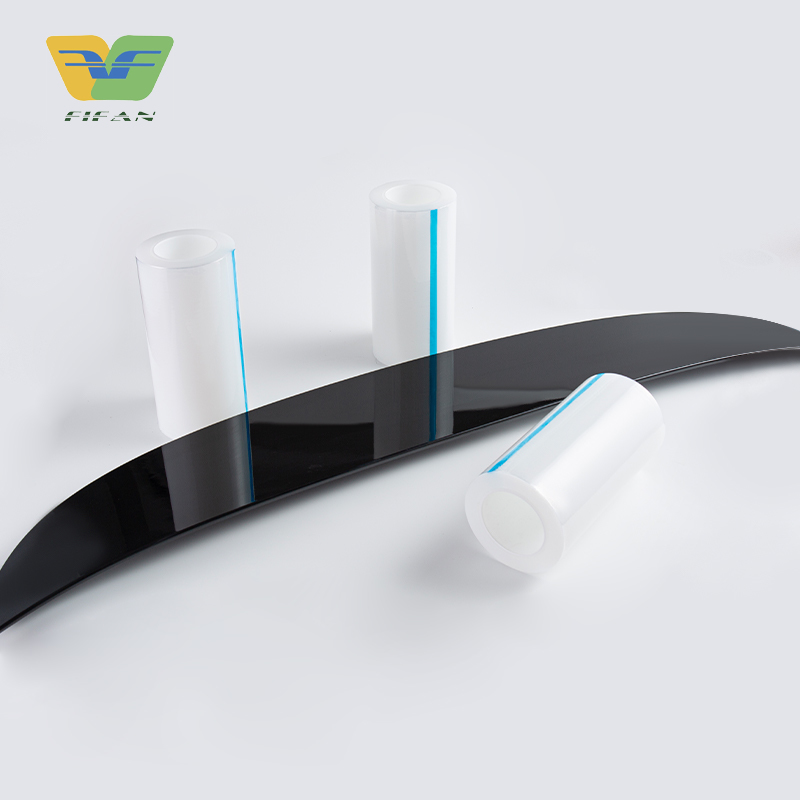
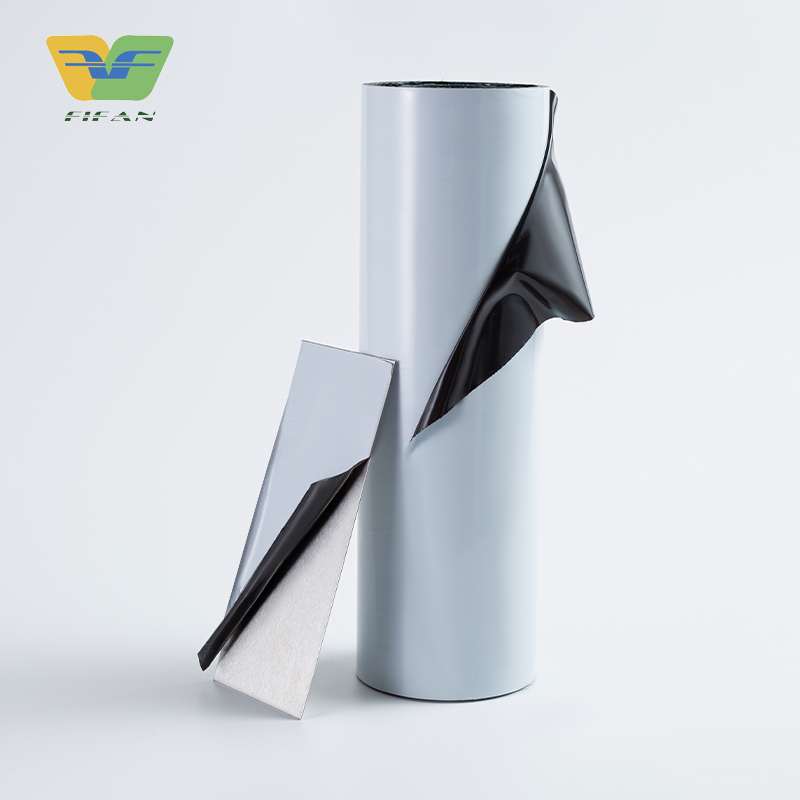
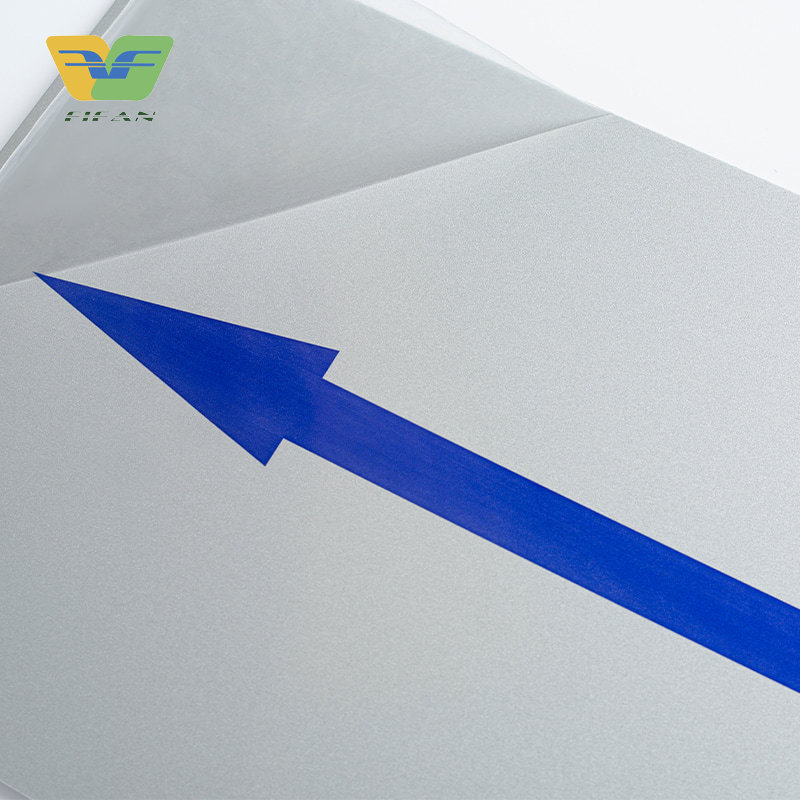
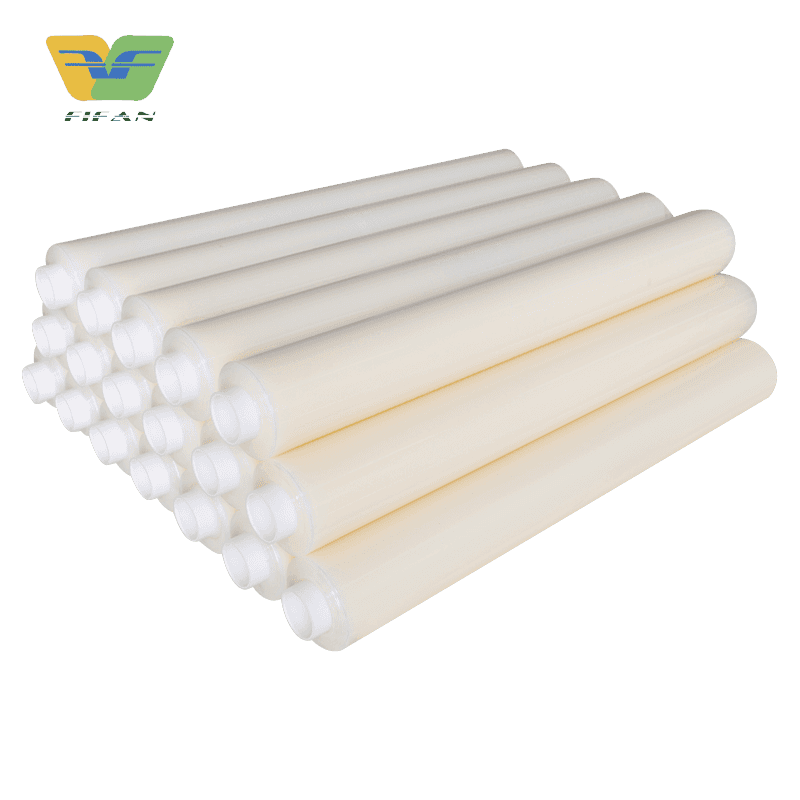
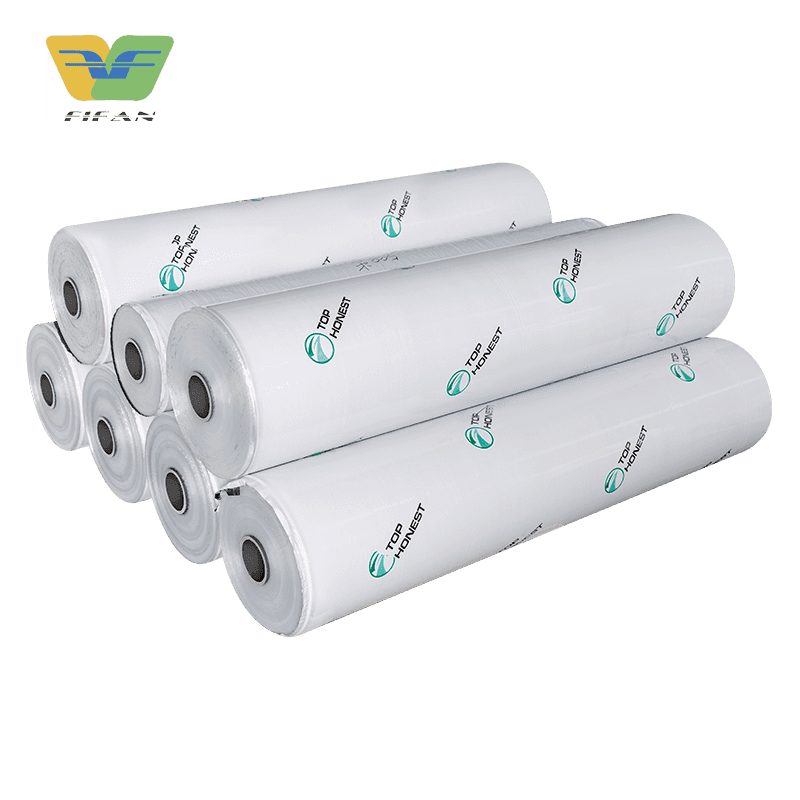
Among the available protection solutions, self-adhesive PE protective film for high-gloss injection molded parts has become increasingly popular because it combines reliable surface protection with clean removal. Unlike conventional coated adhesive films, this solution relies on a specially engineered co-extruded tack layer rather than liquid adhesive. The result is stable adhesion without chemical transfer, helping manufacturers maintain the original gloss and optical quality of sensitive plastic components.
Understanding the differences between co-extruded and coated adhesive technologies is important when selecting protective materials. Different applications require different levels of cleanliness, temperature resistance, flexibility, and peel performance. This article compares several protective film categories while explaining their technical characteristics, suitable applications, and practical advantages for high-gloss injection molded products.
Co-Extruded Self-Adhesive Protective Film
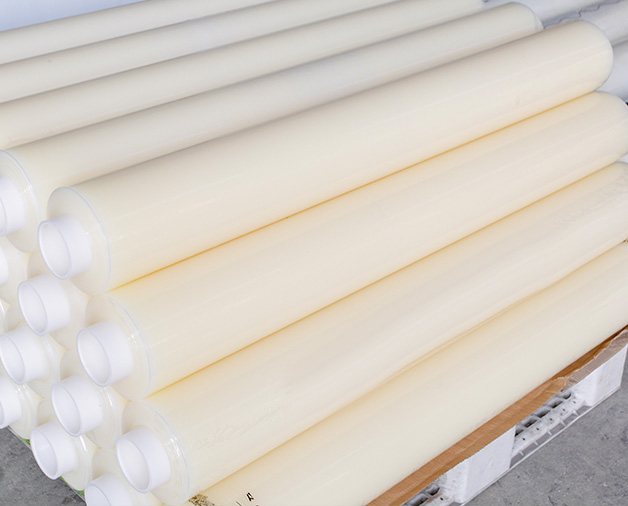
The first category represents modern co-extruded protective films designed specifically for high-value plastic surfaces. Instead of applying an adhesive coating after the base film has been produced, co-extrusion creates multiple functional layers simultaneously during manufacturing. One of these layers forms a carefully controlled tack surface that provides physical adhesion without relying on liquid glue. This manufacturing approach greatly reduces the possibility of adhesive migration, residue, chemical shadows, or ghosting after removal.
For manufacturers producing glossy ABS, PC, PMMA, or PP components, self-adhesive PE protective film for high-gloss injection molded parts provides reliable protection immediately after molding while maintaining excellent optical cleanliness. Because high-gloss plastic behaves almost like a mirror, even microscopic gel particles or contamination inside the protective film can leave visible impressions. High-quality production therefore emphasizes extremely low gel points, strict cleanliness control, and stable material consistency throughout the manufacturing process.
Another important advantage is its ability to conform to complicated three-dimensional geometries. Injection molded products frequently include curved corners, textured transitions, recessed areas, and decorative contours. A flexible co-extruded film stretches smoothly over these shapes without significant edge lifting or curling. This helps reduce rework during assembly while maintaining continuous protection over critical cosmetic surfaces.
Main technical characteristics
- Glue-less physical adhesion with no adhesive transfer.
- Excellent optical purity with extremely low gel points.
- Optional anti-static performance for cleaner assembly environments.
- High temperature stability exceeding 80°C after molding.
- Excellent elongation for complex three-dimensional molded parts.
- Residue-free removal after storage and transportation.
These characteristics make co-extruded films particularly suitable for premium consumer products where cosmetic quality directly affects customer satisfaction. Manufacturers seeking consistent appearance often consider cleanliness control equally as important as adhesion performance.
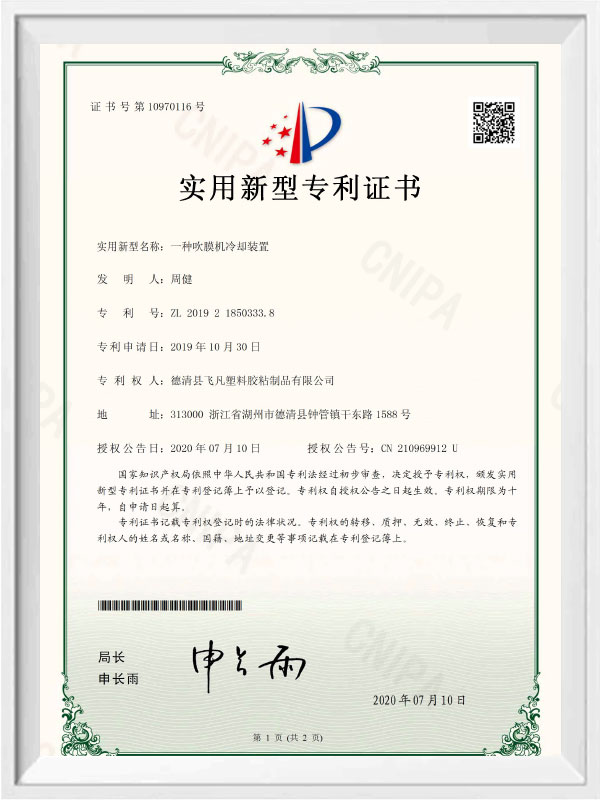
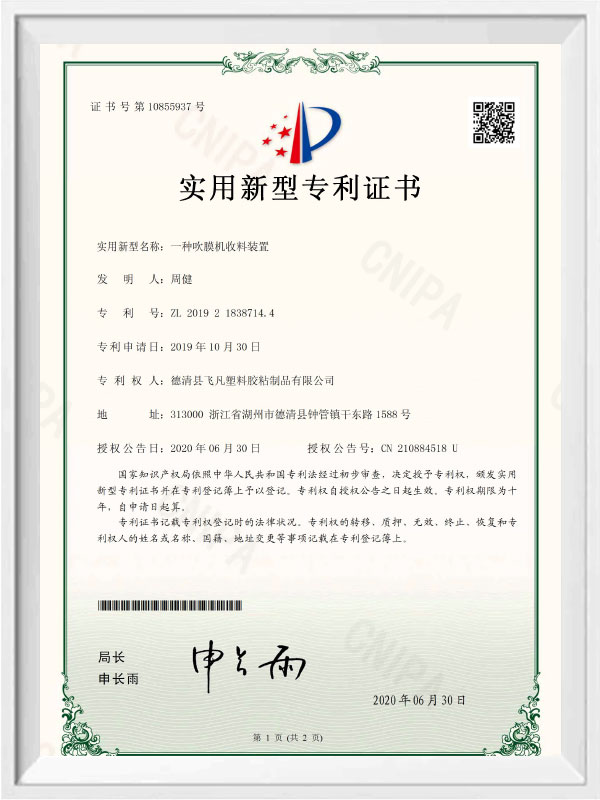
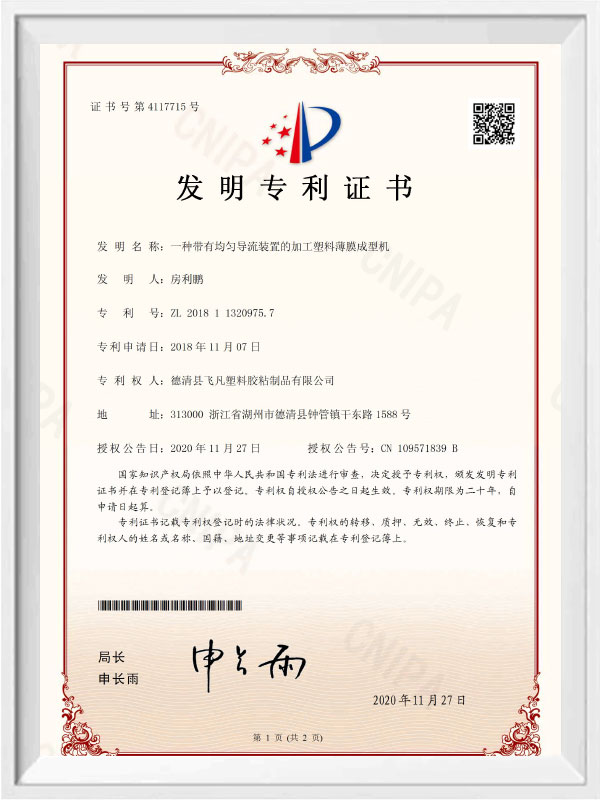
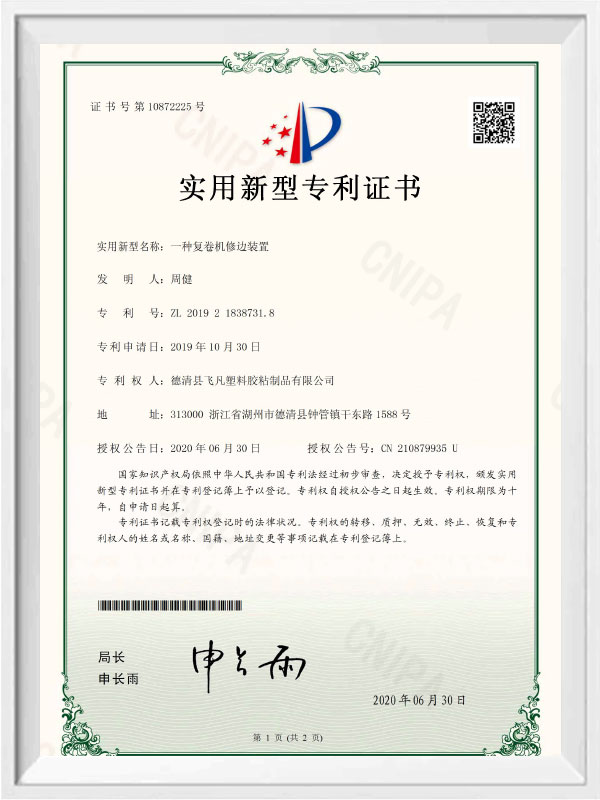
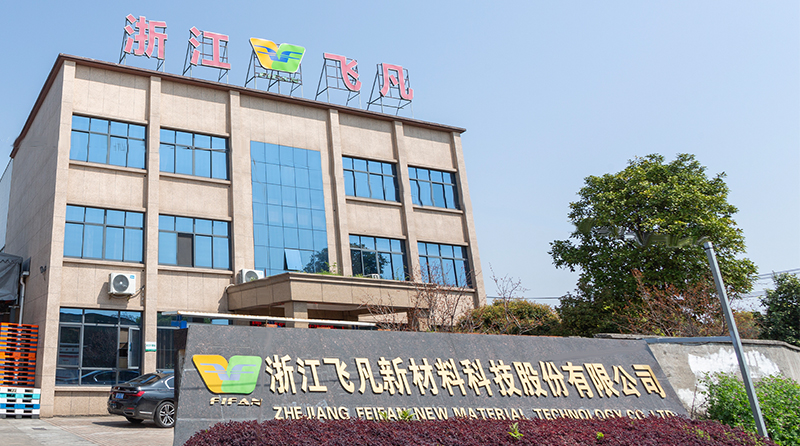
Zhejiang Feifan New Material Technology Co., Ltd. has specialized in PE film and PE protective film since 2003. By controlling blowing, coating, slitting, inspection, and packaging within one integrated production system, the company maintains consistent product quality throughout every manufacturing stage. Advanced production equipment, centralized material feeding, and strict quality management support stable production while reducing contamination risks that are especially critical for optical-grade protective films.
Traditional Coated Adhesive Protective Film
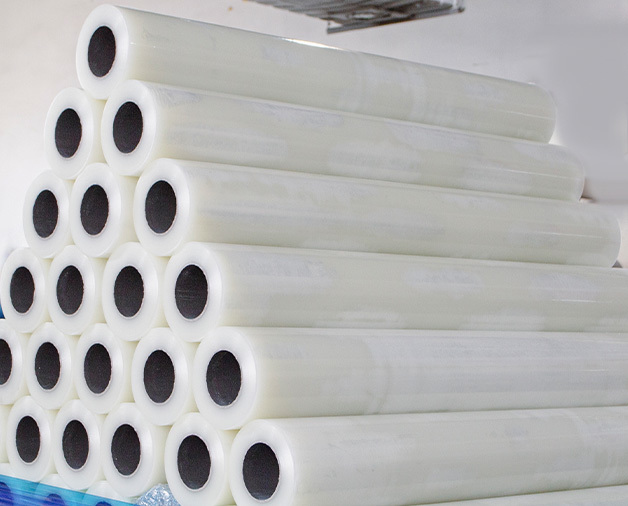
The second category consists of traditional coated adhesive films. These products are manufactured by applying a liquid adhesive layer onto the PE film after the base film has already been produced. This technology has been widely used for many years across numerous industrial applications because it offers flexible adhesion adjustment and relatively mature production methods.
However, coated adhesive systems present several considerations when applied to extremely sensitive high-gloss plastic components. Since the adhesive exists as an independent coating, prolonged storage, elevated temperatures, or environmental changes may influence peel performance. Under certain production conditions, adhesive transfer, residue, or surface shadowing can become concerns, especially on highly polished plastics where even minor cosmetic defects are unacceptable.
Although coated films continue to perform well for many general industrial applications, manufacturers of premium electronic housings, appliance panels, decorative automotive trim, and precision plastic parts often compare them carefully against modern self-adhesive PE protective film for high-gloss injection molded parts before selecting the most appropriate solution. The choice depends on surface sensitivity, storage duration, processing environment, and cleanliness requirements.
Another difference involves dimensional stability during elevated-temperature storage. Components may still retain residual heat immediately after molding. Protective materials must therefore maintain balanced adhesion without becoming excessively aggressive during storage. Co-extruded technology generally offers more predictable long-term performance because adhesion originates from the film structure itself rather than an additional chemical coating.
In addition to manufacturing capability, Zhejiang Feifan New Material Technology Co., Ltd. maintains comprehensive quality control throughout raw material inspection, in-process monitoring, finished product testing, and outgoing sampling. Combined with Class 10,000 cleanroom production, these procedures support consistent cleanliness levels required for demanding optical and decorative plastic applications.
Functional Customized Protective Film Solutions
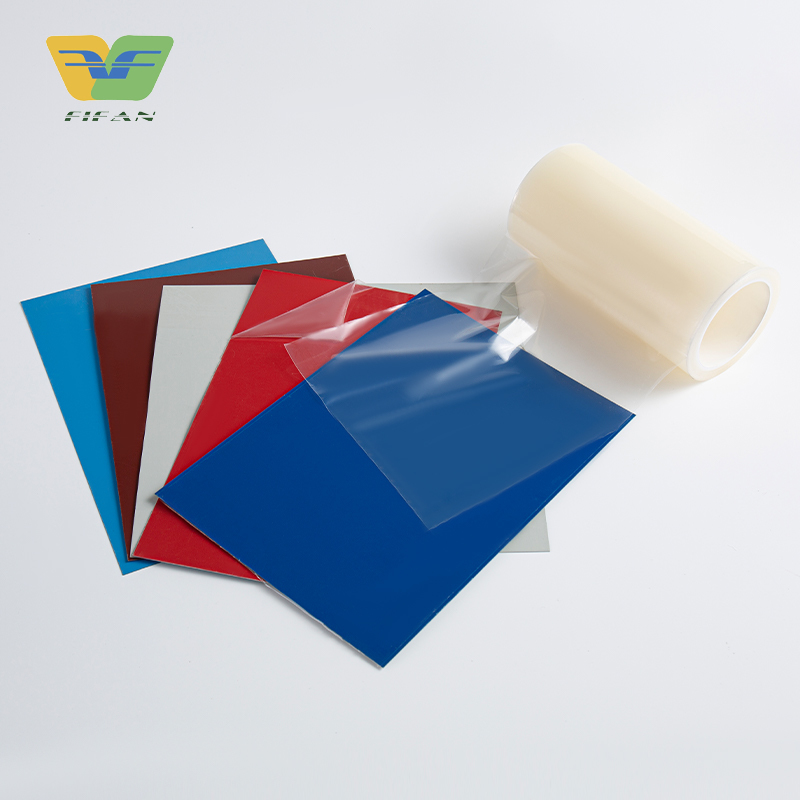
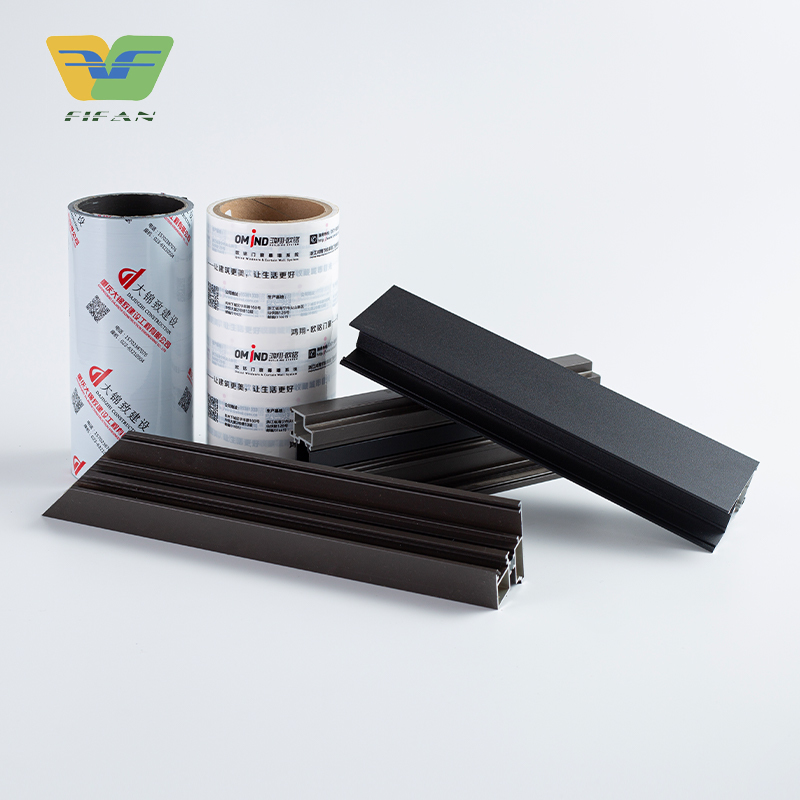
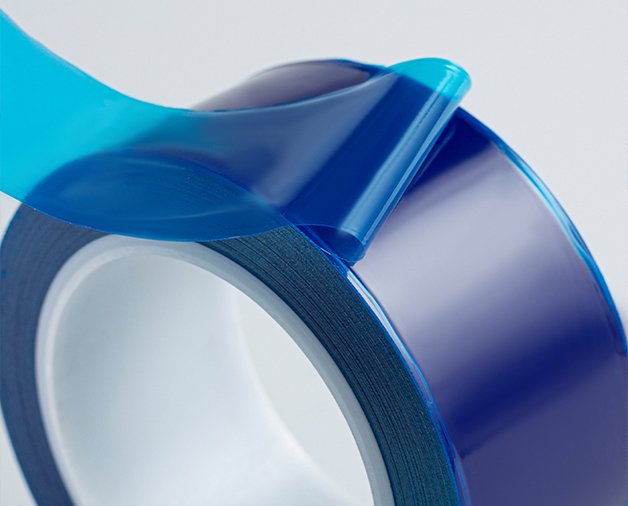
The third category focuses on customized functional protective films developed to satisfy specialized manufacturing environments. While standard protective films provide basic surface protection, many modern production lines require additional performance characteristics to improve efficiency and reduce quality risks. These customized solutions are engineered by adjusting film thickness, adhesion level, anti-static performance, cleanliness, color, printing, and dimensional specifications according to the customer's production process.
For manufacturers handling glossy plastic components in automated assembly lines, self-adhesive PE protective film for high-gloss injection molded parts can be tailored to match different substrate materials and processing conditions. Different plastics, including ABS, PC, PMMA, and PP, exhibit varying surface energies and thermal behaviors. As a result, the protective film must achieve balanced adhesion that is strong enough to remain securely attached during transportation but gentle enough to peel away cleanly without affecting the finished surface.
Another important customization concerns anti-static performance. Injection molded plastic parts naturally attract airborne dust because of electrostatic charge generated during molding and handling. By incorporating anti-static properties into the protective film, manufacturers can significantly reduce particle attraction during assembly, inspection, and packaging. This contributes to a cleaner production environment and helps preserve the optical appearance of high-gloss products.
Film flexibility is equally important. Many molded components contain curved surfaces, sharp transitions, recessed logos, and decorative contours. Customized films with enhanced elongation conform smoothly to these complex geometries while minimizing edge lifting and air pockets. Stable coverage reduces manual rework and improves production efficiency throughout the manufacturing process.
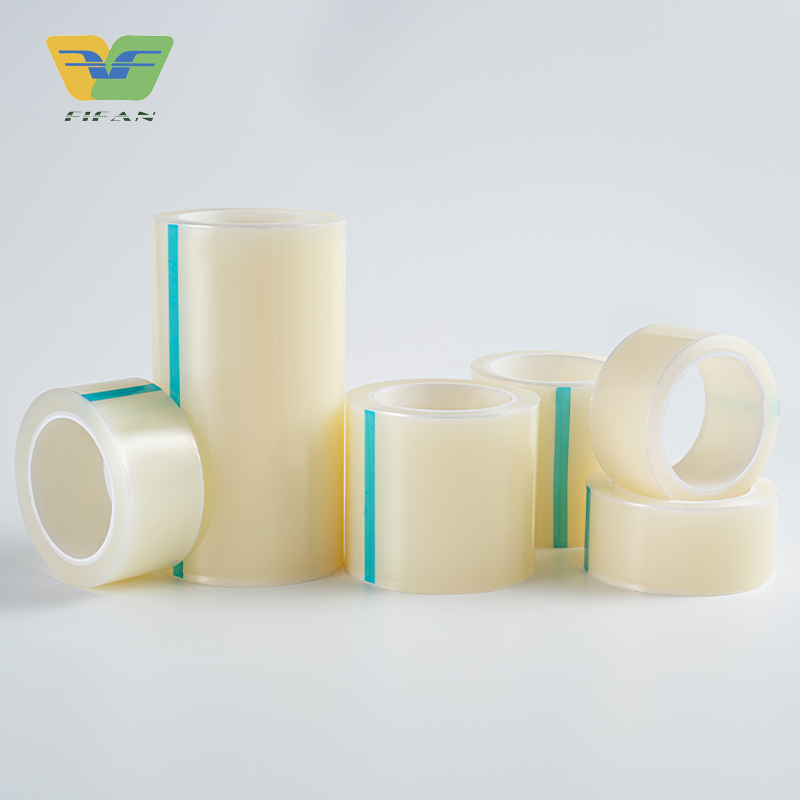
Zhejiang Feifan New Material Technology Co., Ltd. supports extensive customization covering specification, performance, and appearance. Thicknesses from 0.03 mm to 0.2 mm, customized widths from 10 mm to 2000 mm, adjustable adhesion, anti-static values, cleanliness grades, printed logos, pattern designs, and product information marking enable manufacturers to obtain solutions that closely match their production requirements instead of adapting their processes to standardized materials.
Comparison of Different Protective Film Categories
| Category |
Adhesion Method |
Main Advantages |
Typical Applications |
| Co-extruded self-adhesive film |
Integrated tack layer |
Residue-free removal, excellent cleanliness, stable adhesion |
High-gloss electronics, appliance panels, automotive interiors |
| Traditional coated adhesive film |
Liquid adhesive coating |
Widely applicable and adjustable adhesion |
General industrial surface protection |
| Customized functional protective film |
Customized co-extruded structure |
Anti-static, customized dimensions, application-specific performance |
Precision electronics, medical devices, premium molded components |
How to Select the Right Protective Film
Choosing the appropriate protective film requires consideration of several production factors rather than focusing on adhesion alone. Manufacturers should evaluate the complete production cycle, storage conditions, transportation environment, and final appearance requirements before selecting a protective solution. Premium cosmetic parts often require higher cleanliness standards than ordinary industrial components.
- Identify the plastic substrate material and its surface characteristics.
- Determine the required adhesion level based on handling conditions.
- Evaluate storage temperature and transportation duration.
- Consider whether anti-static performance is necessary.
- Assess the complexity of the component geometry.
- Verify residue-free removal through production testing.
Manufacturers should also consider long-term production consistency. Stable material quality, clean manufacturing environments, and comprehensive quality inspection contribute directly to reliable protective performance. Companies with integrated production systems can generally maintain tighter process control throughout manufacturing, reducing variation between production batches.
In addition to technical innovation, Zhejiang Feifan New Material Technology Co., Ltd. emphasizes sustainable manufacturing by continuously improving production equipment, reducing electricity and gas consumption, optimizing material utilization through centralized feeding systems, recycling production waste, and implementing exhaust gas treatment facilities. Because PE film itself is recyclable, these measures contribute to environmentally responsible manufacturing while maintaining consistent product quality.
Conclusion
Selecting the appropriate protective film is a critical step in preserving the appearance and value of high-gloss injection molded components. Although both co-extruded and coated adhesive films are designed to protect surfaces during manufacturing and transportation, they differ significantly in adhesion mechanism, cleanliness, long-term stability, and suitability for demanding cosmetic applications.
For manufacturers producing premium plastic products with mirror-like finishes, self-adhesive PE protective film for high-gloss injection molded parts offers a practical solution that combines physical adhesion, residue-free removal, excellent optical purity, and reliable conformity to complex three-dimensional geometries. These characteristics help reduce quality defects caused by scratches, dust contamination, adhesive residue, and handling marks while improving manufacturing consistency throughout the supply chain.
Equally important is the manufacturing capability behind the protective film. Consistent raw materials, clean production environments, advanced processing equipment, comprehensive quality inspection, and flexible customization all contribute to dependable performance in real production environments. By integrating product development, precision manufacturing, and customized technical support, protective film suppliers can better satisfy the evolving requirements of modern injection molding industries.
Frequently Asked Questions
Q1: What is the main difference between co-extruded and coated adhesive protective films?
The primary difference lies in how adhesion is created. Co-extruded films generate adhesion through an integrated functional tack layer that forms part of the film structure, while coated adhesive films apply a separate liquid adhesive after the base film is manufactured. Co-extruded technology generally provides cleaner removal and reduces the possibility of adhesive transfer on sensitive high-gloss plastic surfaces.
Q2: Why is self-adhesive PE protective film for high-gloss injection molded parts suitable for glossy plastic products?
High-gloss plastic surfaces easily reveal scratches, dust, pressure marks, and adhesive residue. This protective film combines optical-grade cleanliness, low gel points, residue-free peeling, optional anti-static performance, and excellent flexibility to preserve the original appearance of glossy ABS, PC, PMMA, and PP components throughout manufacturing, assembly, storage, and transportation.
Q3: Can protective films be customized for different manufacturing requirements?
Yes. Modern PE protective films can be customized according to film thickness, width, length, adhesion level, anti-static performance, cleanliness grade, color, printed logos, and identification markings. This flexibility allows manufacturers to select a solution that matches their production process, product geometry, and surface protection requirements.
Q4: What factors should be considered when selecting a protective film supplier?
Important considerations include manufacturing experience, integrated production capability, cleanroom production, quality management systems, customization capacity, technical research capability, and sustainable manufacturing practices. Suppliers with complete in-house production and strict quality control are generally better positioned to provide consistent protective film performance across different production batches.

 English
 русский
 عربى
عربى