
- Product
-
Our Story
Why Choose Us?We are a national high-tech enterprise and a provincial "Specialized and Refined" SME, focusing on the R&D, production, and sales of PE protective film. As a leader in the industry, we are committed to serving global customers with innovative technology and have won wide recognition in the market.
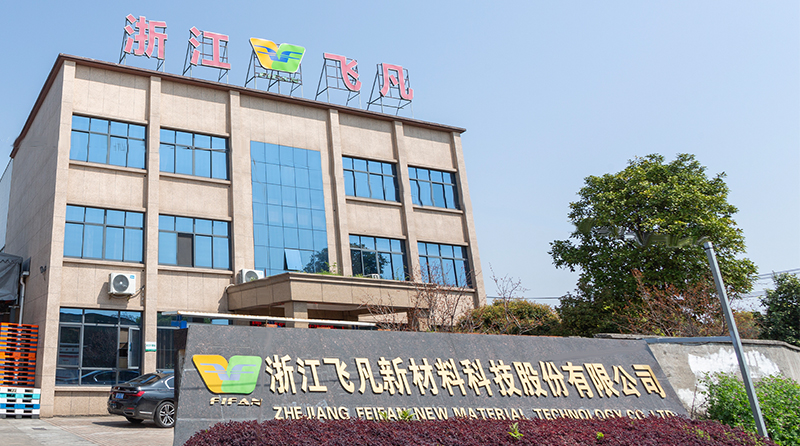 Coming From China, Marketing To The World.
 -
News
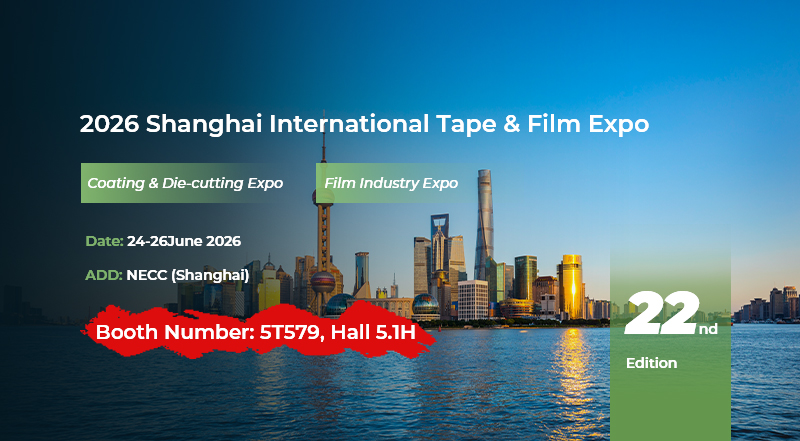 Feifan was invited to participate in the 2026 Shanghai International Tape and Film Exhibition
Dear Valued Customer / Partner, We are pleased to announce that our company will be exhibiting at APFE 2026 – the 22nd Shanghai International Adhesive Tape & Film Expo (Coating & Laminating E...
 English
 русский
 عربى
عربىConstruction Material PE Protective Film: Complete Guide for Building Surface Protection
Content
A comprehensive guide to PE protective film for construction materials — types, applications, and selection.
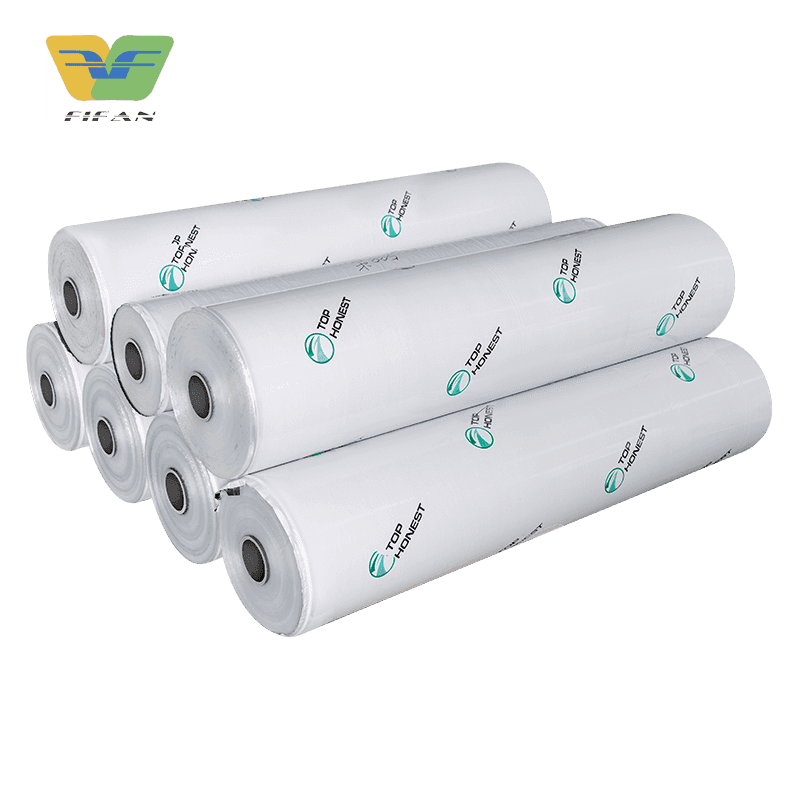
PE protective film, or polyethylene protective film, is a temporary surface protection solution widely used in the construction industry to safeguard building materials during transportation, fabrication, installation, and on-site handling. From glass panels and aluminum composite panels to stainless steel sheets and decorative stone, PE protective film provides a reliable barrier against scratches, abrasion, dust, moisture, and chemical contaminants.
The construction sector relies heavily on protective films to preserve the aesthetic and functional quality of materials until they are ready for final installation. With the increasing demand for high-quality building finishes and zero-defect delivery, the use of PE protective film has become a standard practice across the industry.
What Is PE Protective Film for Construction Materials
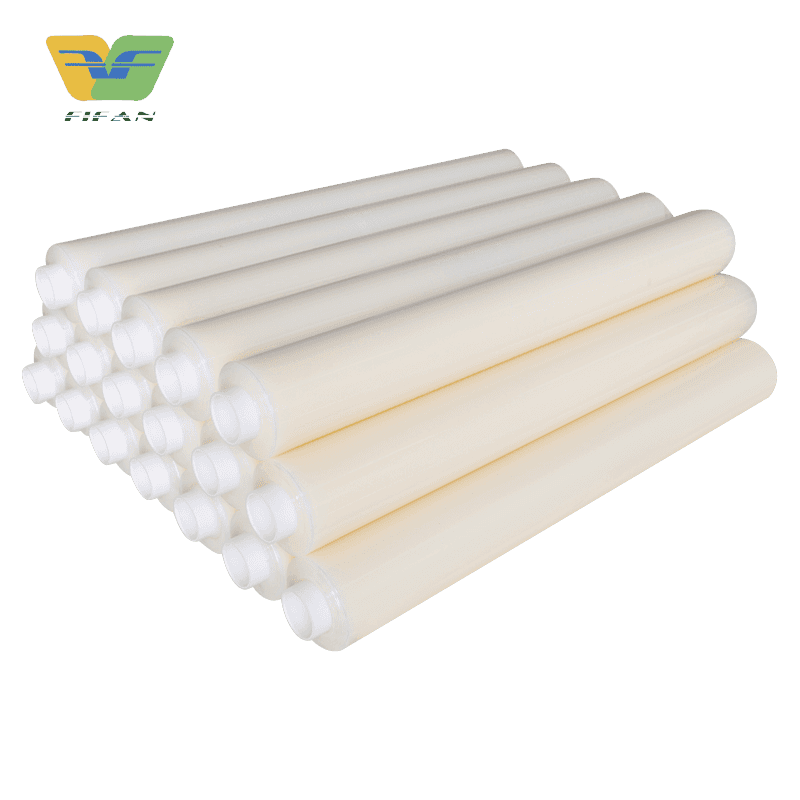
PE protective film is a thin, flexible plastic film made from polyethylene resin, coated with a pressure-sensitive adhesive on one side. It is designed to be applied to the surface of construction materials and removed cleanly after the installation phase is complete, leaving no adhesive residue behind.
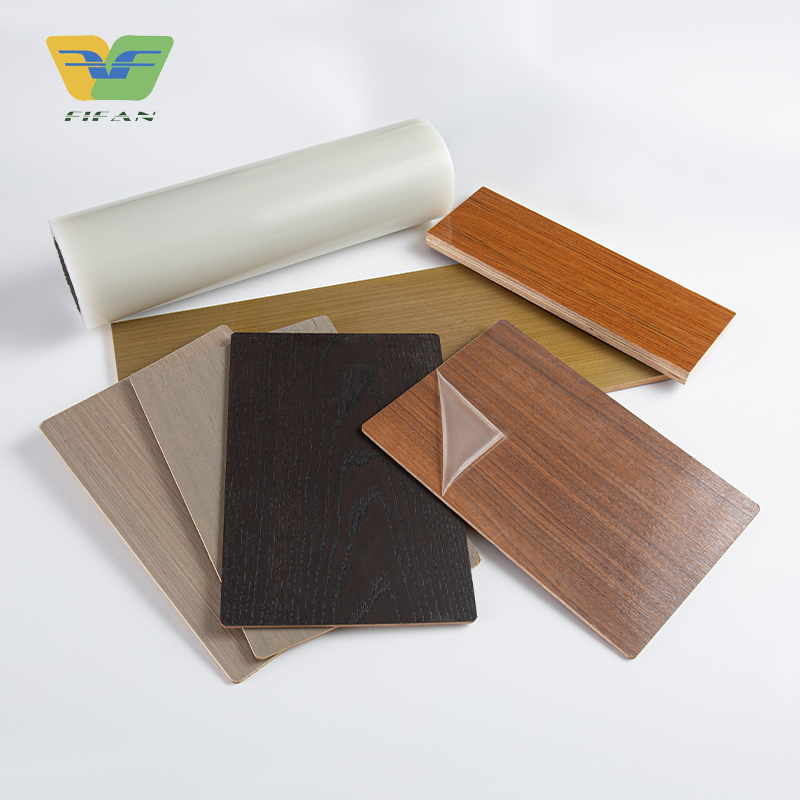
Unlike permanent coatings or paint, PE protective film serves a temporary purpose — to protect the underlying material during the critical period when it is most vulnerable to damage. Once the building material is installed and the risk of damage has passed, the film is peeled off, revealing the pristine surface beneath.
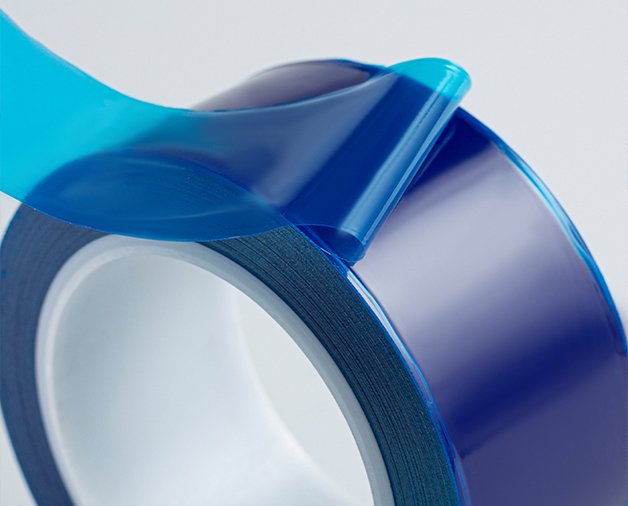
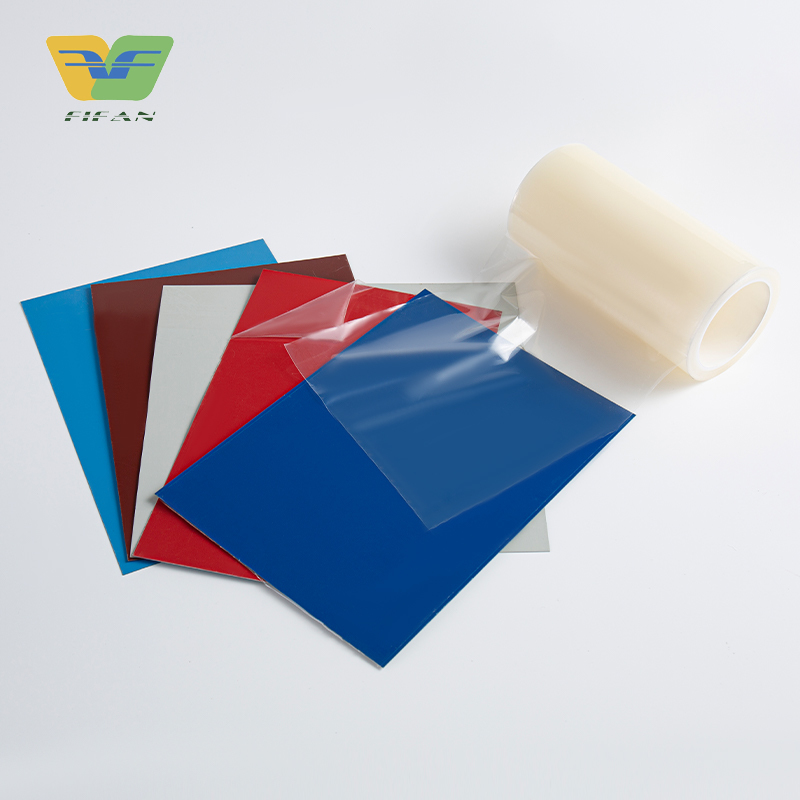
PE protective films are available in a variety of thicknesses, colors, and adhesive strengths to suit different materials and application conditions. Clear films are commonly used for glass and glossy surfaces where visibility of the substrate is important, while blue, white, or black films are used for opaque materials where brand identification or UV resistance is required.
Key Applications in Construction
Glass Protection
Glass panels are among the most fragile and expensive materials used in construction. PE protective film is applied to glass surfaces to prevent scratches, chips, and contamination during handling, transport, and installation. The film also protects against mortar splashes, paint overspray, and construction dust that can permanently damage the glass surface. For insulated glass units and tempered glass, protective films are typically applied immediately after manufacturing and remain in place until the glass is installed and cleaned.
Metal Surface Protection
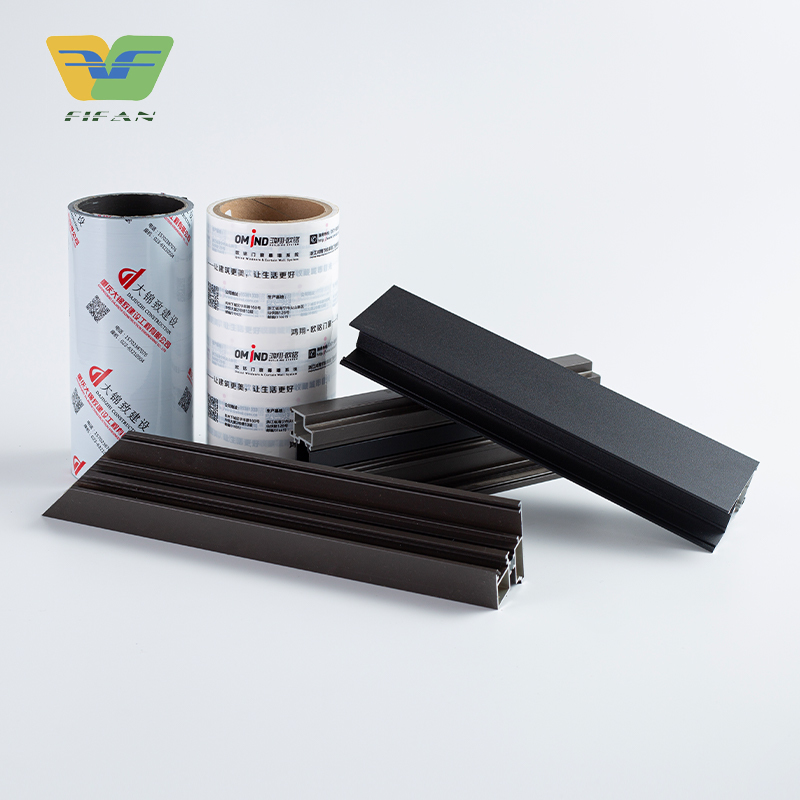
Stainless steel, aluminum, copper, and other metal surfaces used in construction are highly susceptible to scratches and chemical staining. PE protective film provides a temporary barrier that preserves the factory finish of these materials during fabrication, transportation, and installation. The film protects against fingerprints, scuffs, and environmental contaminants that can lead to corrosion or discoloration.
Panel and Sheet Protection
Aluminum composite panels, solid aluminum panels, stone panels, and other large-format building panels are protected with PE film during manufacturing and handling. The film ensures that the decorative finish remains flawless until the panels are installed and the protective film is removed. This application is particularly important in curtain wall systems, exterior cladding, and interior decorative wall systems where surface quality is critical.
Stone and Tile Protection
Natural stone, engineered stone, and ceramic tiles are protected with PE film during transport and installation. The film prevents scratches, stains, and damage from construction activities. For polished stone surfaces, the film also helps preserve the glossy finish and prevents etching from acidic substances.
Surface Protection in Fabrication Workshops
In metal fabrication shops, glass processing facilities, and stone processing workshops, PE protective film is applied to materials as they are processed. This protects the surface from machining marks, handling damage, and workshop contaminants that could affect the final quality of the finished product.
Types of PE Protective Film
By Adhesive Type
Low-tack adhesive films are used for smooth, glossy surfaces such as glass, polished metal, and coated panels. The low adhesion level ensures clean removal without residue or damage to the surface. These films are typically used for interior applications and short-term protection.
Medium-tack adhesive films provide stronger adhesion for surfaces with some texture or roughness, such as textured metal, painted surfaces, and composite panels. They offer reliable holding power while still allowing clean removal after installation.
High-tack adhesive films are used for rough surfaces, outdoor applications, and extended protection periods. The higher adhesion ensures that the film stays in place during harsh construction conditions, including exposure to weather, dust, and handling.
By Film Thickness
PE protective films are available in a range of thicknesses, typically from 30 microns to 120 microns. Thinner films are suitable for smooth surfaces and short-term protection, while thicker films offer greater impact resistance and durability for rough handling and extended protection periods.
By Color
Clear films are used for glass and transparent materials where visibility of the substrate is required. Blue films are the most common color for metal and panel protection, providing good visibility and easy identification. White films are used for stone and tile protection, offering a clean appearance. Black films are used for UV protection in outdoor applications and for brand recognition.
Key Properties and Performance
The performance of PE protective film depends on several key properties that determine its suitability for specific applications.
Adhesion strength is the most critical property, determining how well the film stays in place during handling and installation. The adhesive must be strong enough to remain attached during normal construction activities but weak enough to allow clean removal without leaving residue.
Film thickness affects the film's durability and protective capability. Thicker films provide better protection against impacts and abrasion but are less flexible and more difficult to apply on curved surfaces. Thinner films are more conformable but offer less protection.
UV resistance is important for films that will be exposed to sunlight during storage or outdoor installation. UV-stabilized films resist degradation and maintain their protective properties for extended periods.
Temperature resistance determines the film's performance in different environmental conditions. Some films are formulated for use in cold weather, while others are designed to withstand high temperatures without softening or losing adhesion.
Application and Removal
Application Guidelines
Proper application of PE protective film is essential for reliable performance. The surface must be clean, dry, and free from dust, oil, and contaminants. The film should be applied with uniform pressure using a roller or squeegee to ensure full contact with the surface and eliminate air bubbles. For large areas, the film should be applied in sections to maintain alignment and prevent wrinkles.
Removal Guidelines
Removal of PE protective film should be done at the appropriate time — typically after the material has been installed and the risk of damage has passed. The film should be peeled off slowly at a low angle to minimize the risk of adhesive transfer. If the film has been in place for an extended period, heating the film with a heat gun or warm water can soften the adhesive and facilitate easier removal.
Comparison of PE Protective Films
| Characteristic | Low-Tack | Medium-Tack | High-Tack |
|---|---|---|---|
| Adhesion level | Low (50-150 g/25mm) | Medium (150-400 g/25mm) | High (400-800 g/25mm) |
| Suitable surfaces | Glass, polished metal | Painted panels, composites | Rough surfaces, outdoor |
| Removal characteristics | Clean removal, no residue | Clean removal for most surfaces | May require careful removal |
| Typical thickness | 30-60 microns | 50-80 microns | 80-120 microns |
| Applications | Glass, mirrors, polished stone | Aluminum panels, coated steel | Outdoor panels, textured surfaces |
Selection Guide
Determine the type of material to be protected. Different surfaces require different adhesive strengths and film characteristics.
Consider how long the film needs to stay in place — from a few days to several months. Longer periods may require UV-stabilized films.
Consider temperature, humidity, UV exposure, and potential chemical contact during the protection period.
Choose the appropriate thickness based on the level of protection required and the flexibility needed for the application.
Ensure the adhesive is compatible with the surface material to avoid residue or surface damage upon removal.
Select the film color that provides the required visibility for inspection and the desired aesthetic during installation.
Frequently Asked Questions
Choosing the right PE protective film ensures your construction materials arrive in perfect condition.
Consider substrate type, protection period, and environmental conditions when selecting protective film for your project.
Your email address will not be published. Required fields are marked *
-
-
-
-
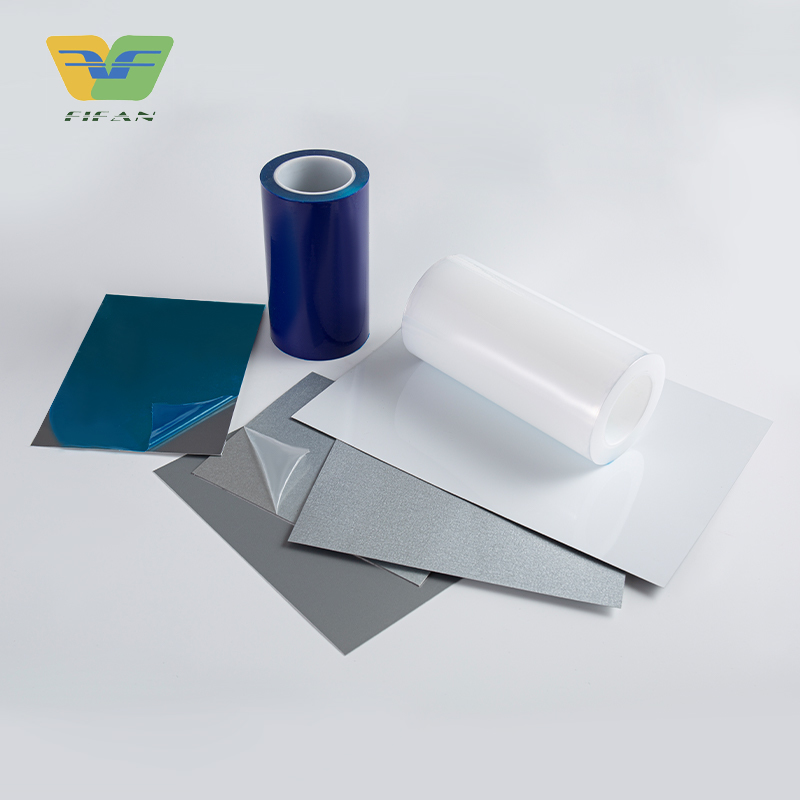
Self Adhesive PE Protective Film Glue-less Surface Self-Adhesive PE Protective Film for Metal Sheets & Plates View More
-
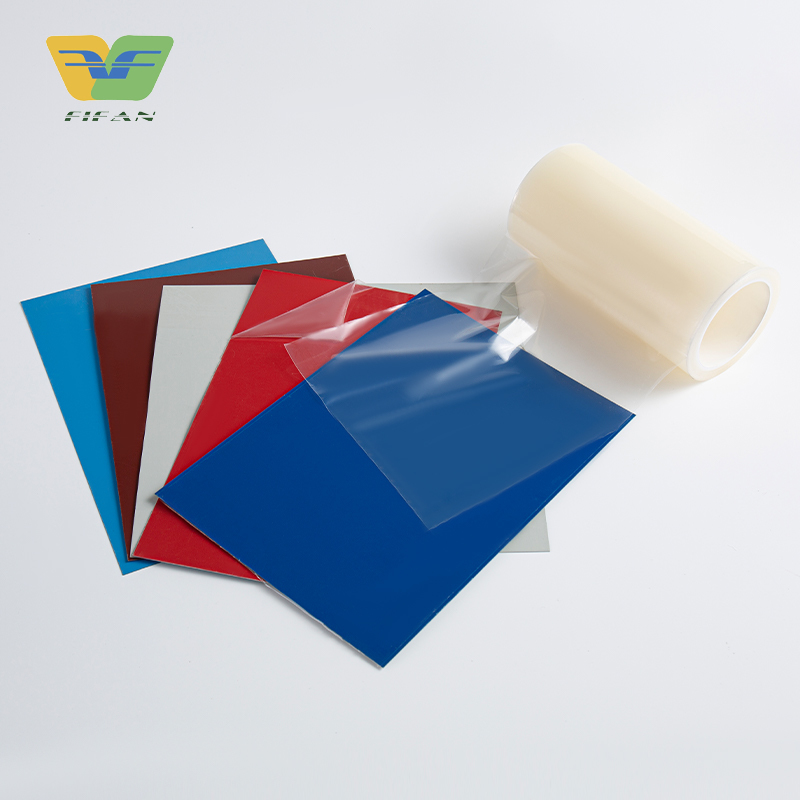
Construction Material PE Protective Film UV-Resistant & Anti-Aging PE Protective Film for Color Coated Steel Plates View More
-
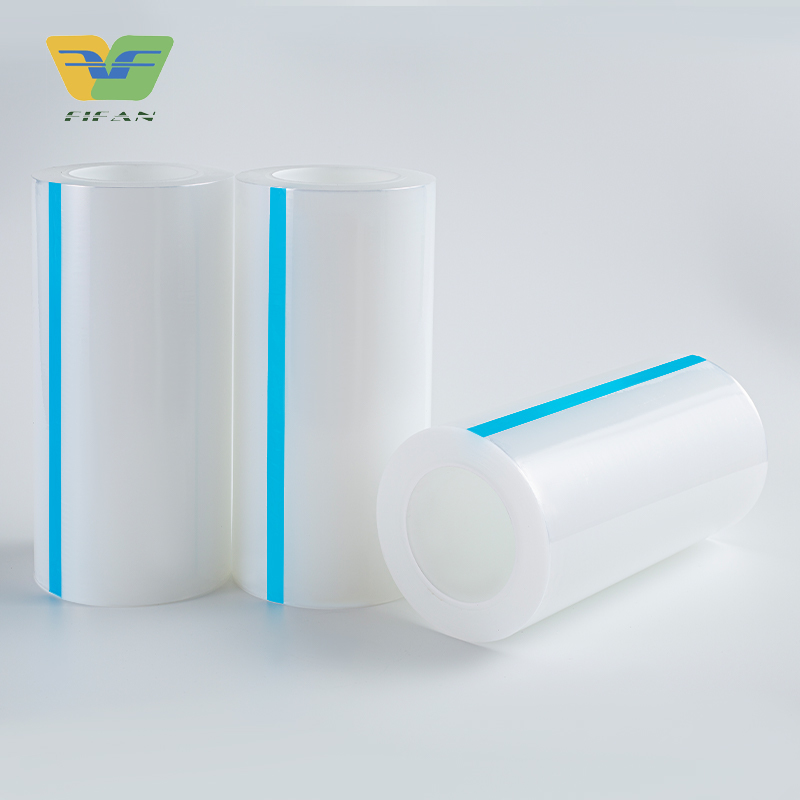
Self Adhesive PE Protective Film Self-Adhesive PE Protective Film for Polycarbonate (PC) Sheets View More

Address: No. 1588 Gan Dong Road, Zhongguan Town, Deqing County, Huzhou City, Zhejiang Province, China
TEL: +86-572-8498038 / +86-15067289913
E-mail: [email protected]
Mobile
WhatsApp

Copyright © Zhejiang Feifan New Material Technology Co., Ltd. All Rights Reserved
