Self-Adhesive PE Protective Film for Polycarbonate (PC) Sheets Industry knowledge
How to tell which side of the polycarbonate sheet has the UV protection?
Polycarbonate (PC) sheets are widely used in architectural glazing, industrial covers, safety panels, machine guards, and outdoor structures because of their excellent impact resistance, transparency, and processing flexibility. However, long-term exposure to sunlight requires proper identification of the UV-protected surface. Applying the wrong side during installation may reduce weathering performance and shorten the service life of the sheet. Understanding how to identify the UV protection side is essential for manufacturers, fabricators, and end users.
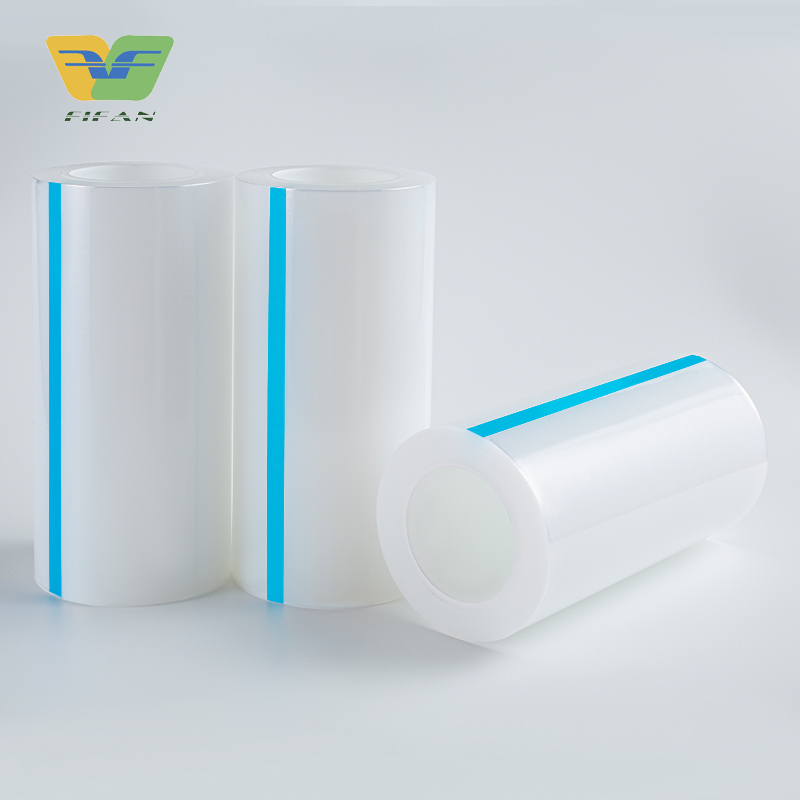
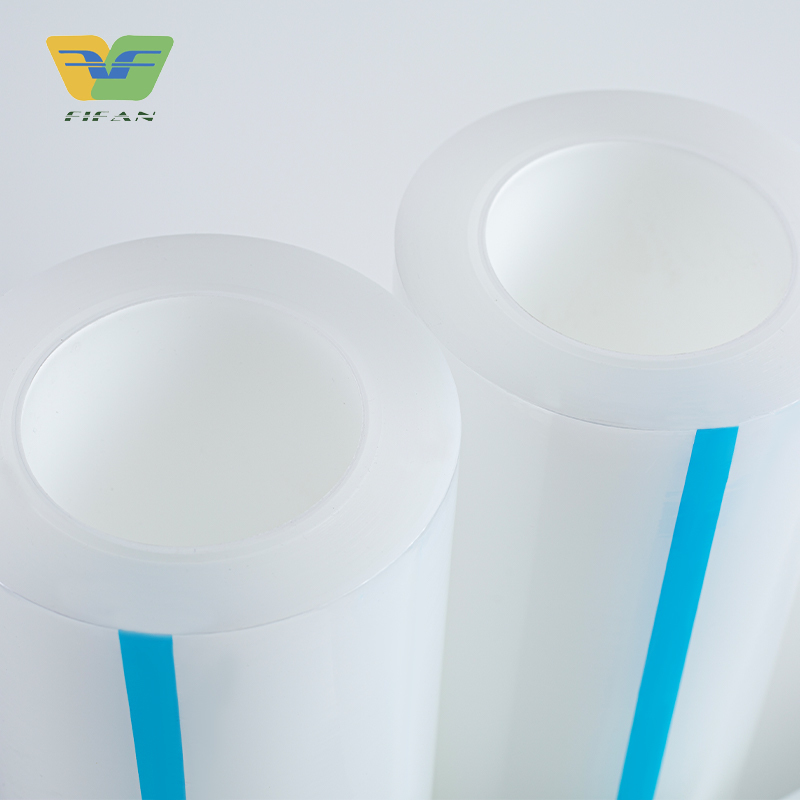
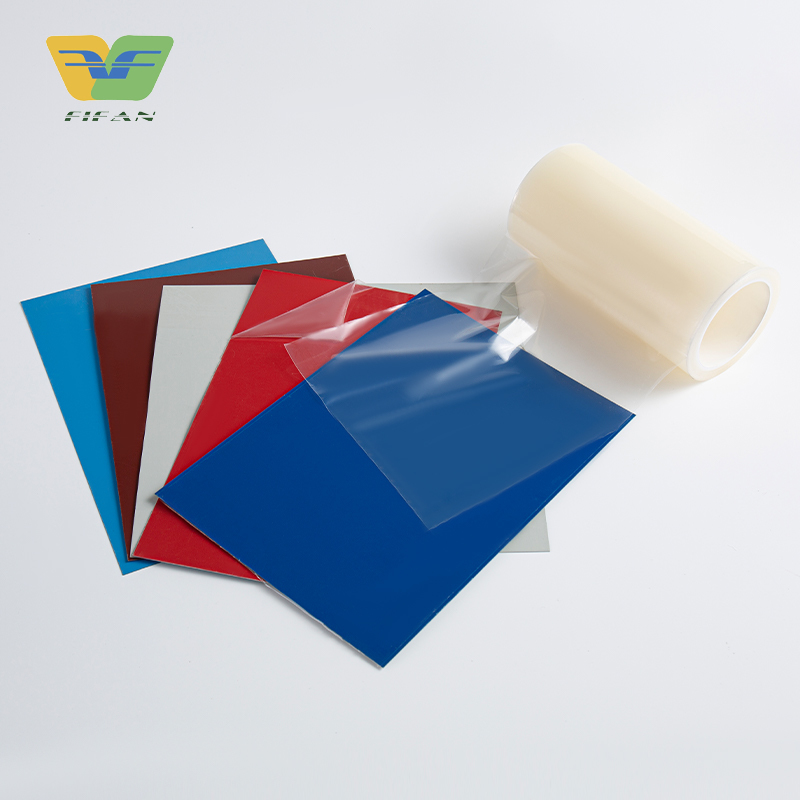
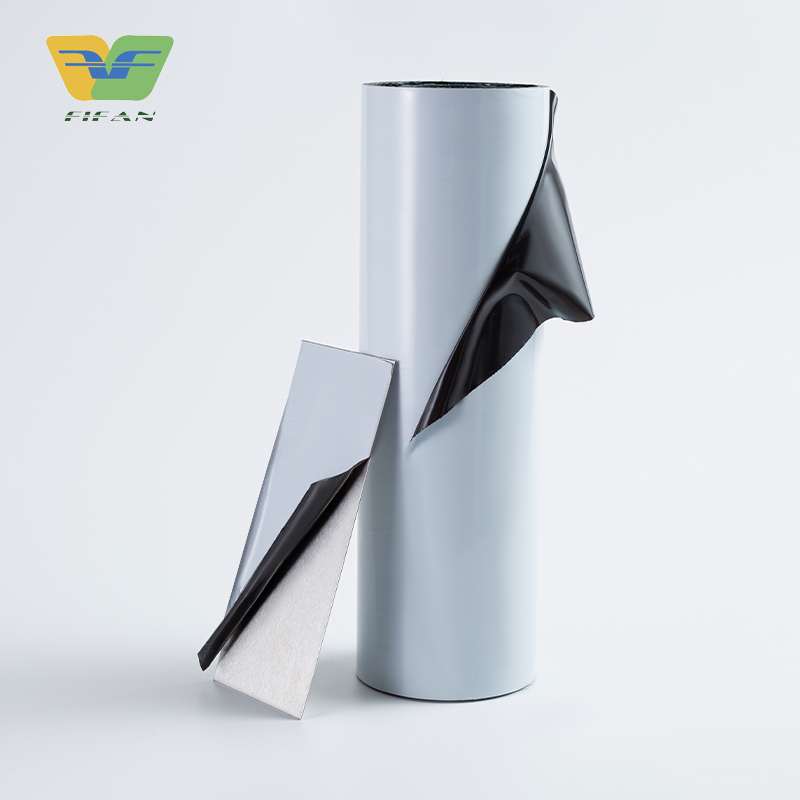
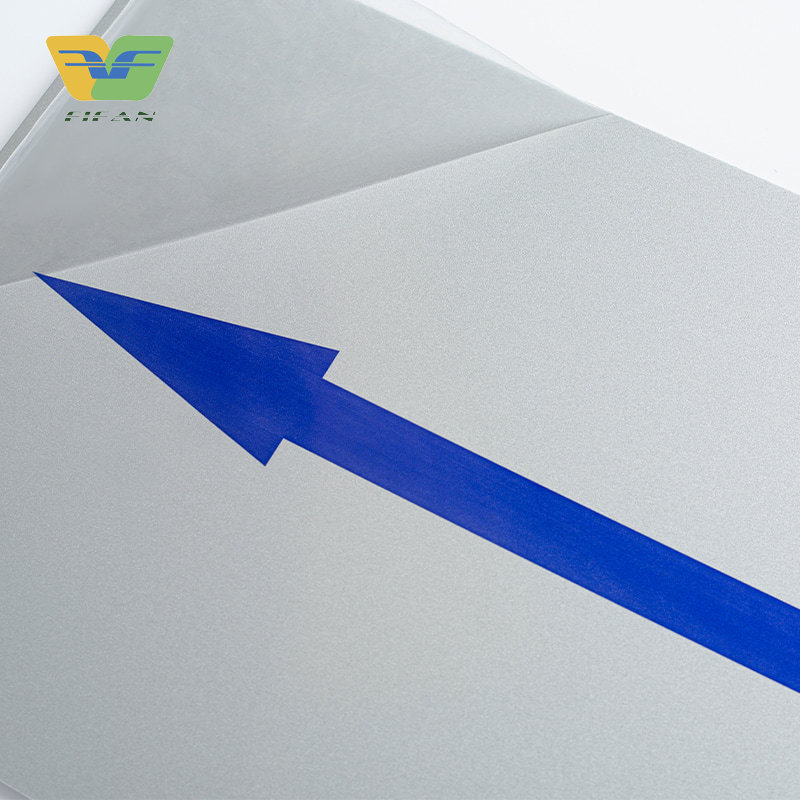
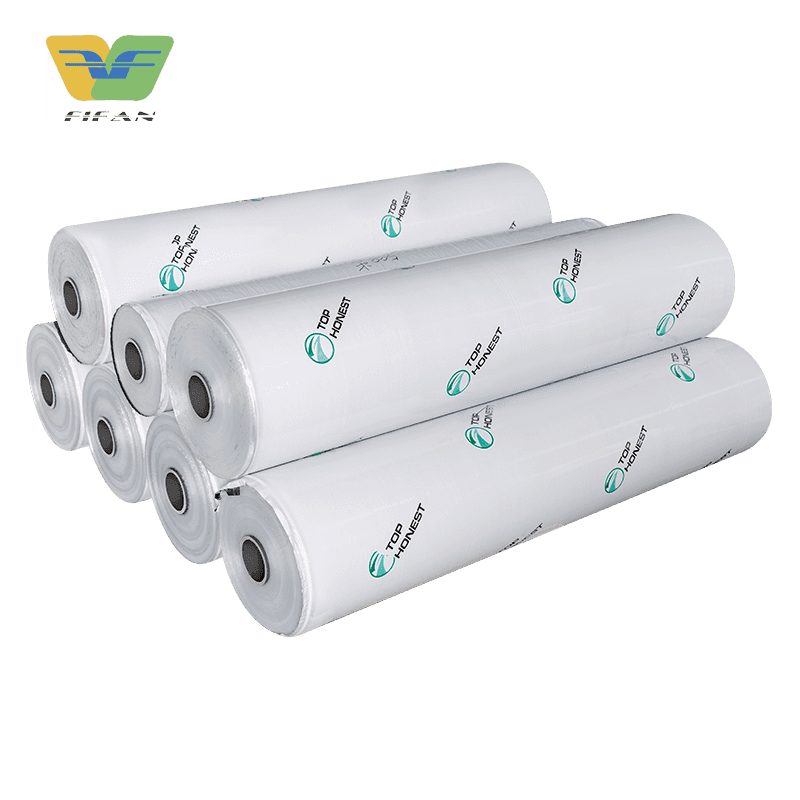
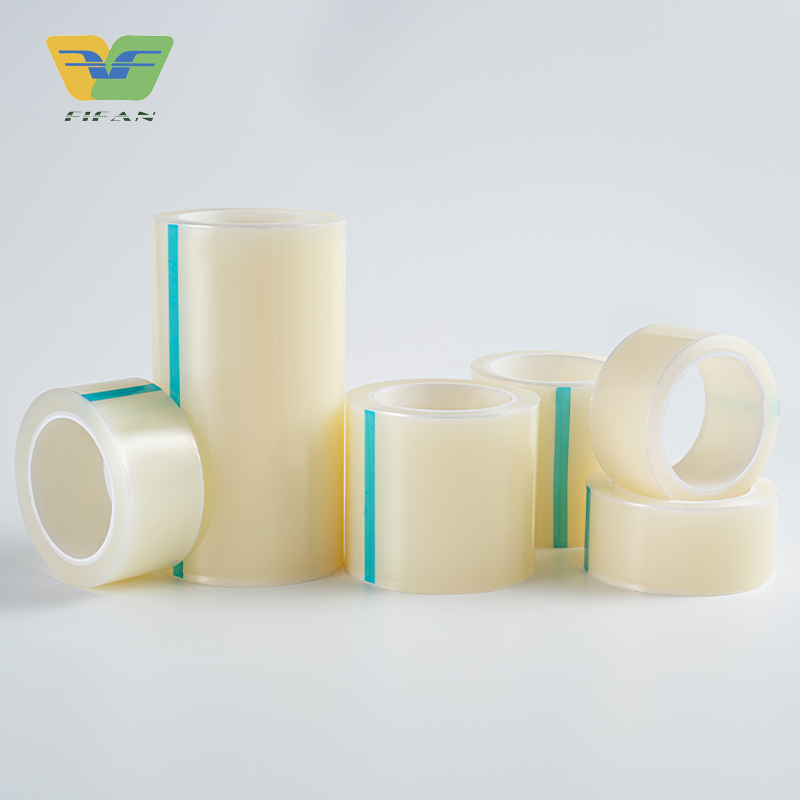
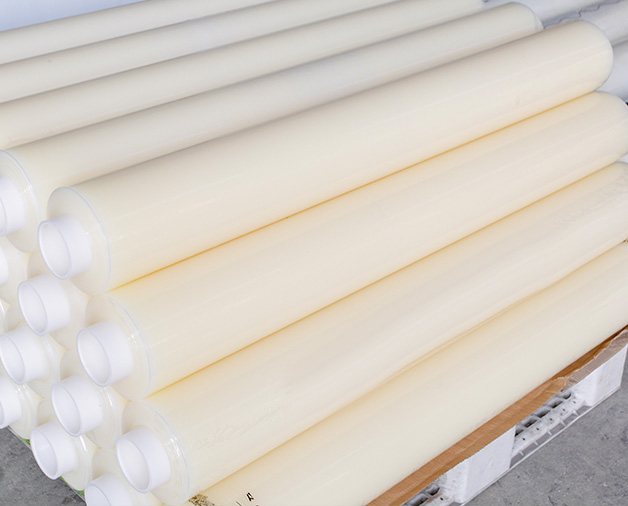
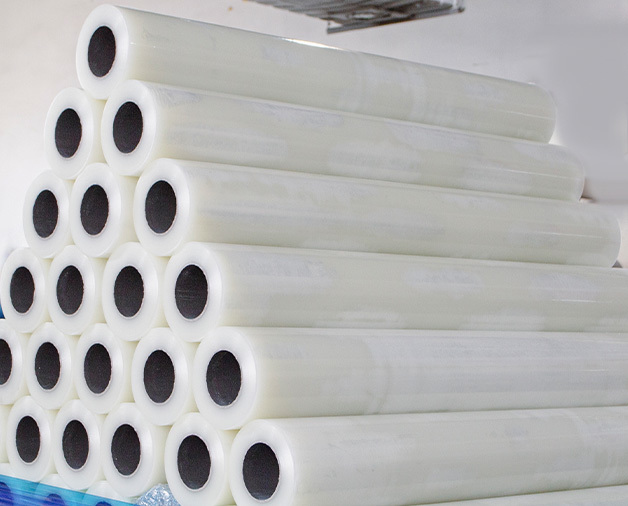
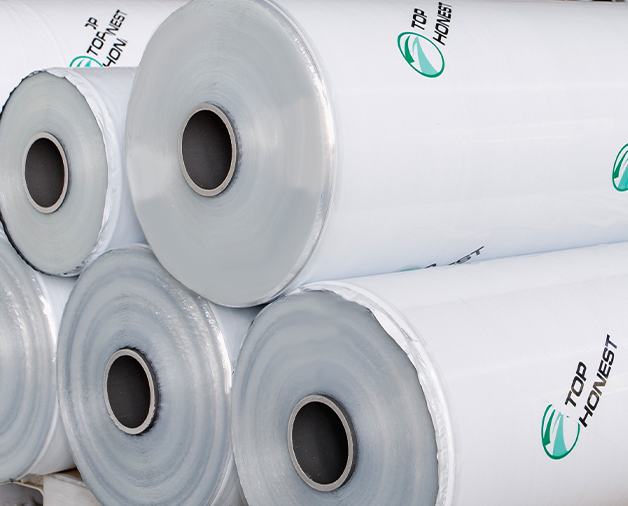
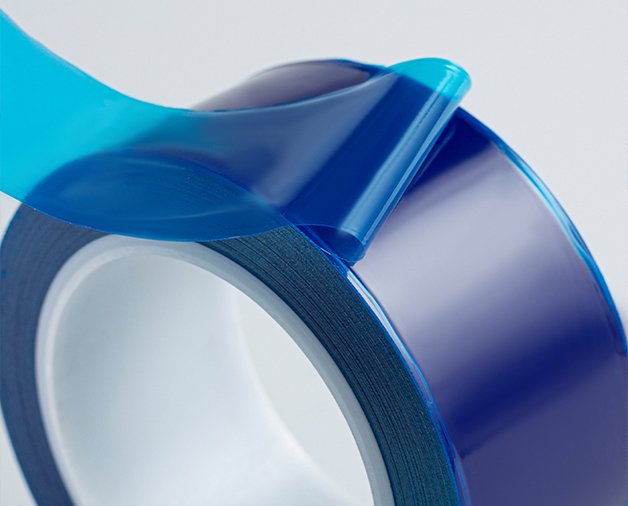
During transportation, cutting, drilling, and storage, polycarbonate sheets also require reliable surface protection. The use of self-adhesive PE protective film for polycarbonate (PC) sheets provides an effective temporary barrier against scratches, dust, and handling damage while maintaining the original optical quality of the PC substrate. This type of protective film is designed specifically for sensitive transparent materials where surface cleanliness and residue-free removal are critical.
Understanding the UV Protection Layer on Polycarbonate Sheets
Most outdoor-grade polycarbonate sheets include a dedicated UV protection layer on only one surface. This layer is usually co-extruded or coated during sheet manufacturing to prevent ultraviolet radiation from degrading the polymer structure. Since both sides of the sheet may appear visually similar, installers often need additional methods to determine which side contains the UV protection.
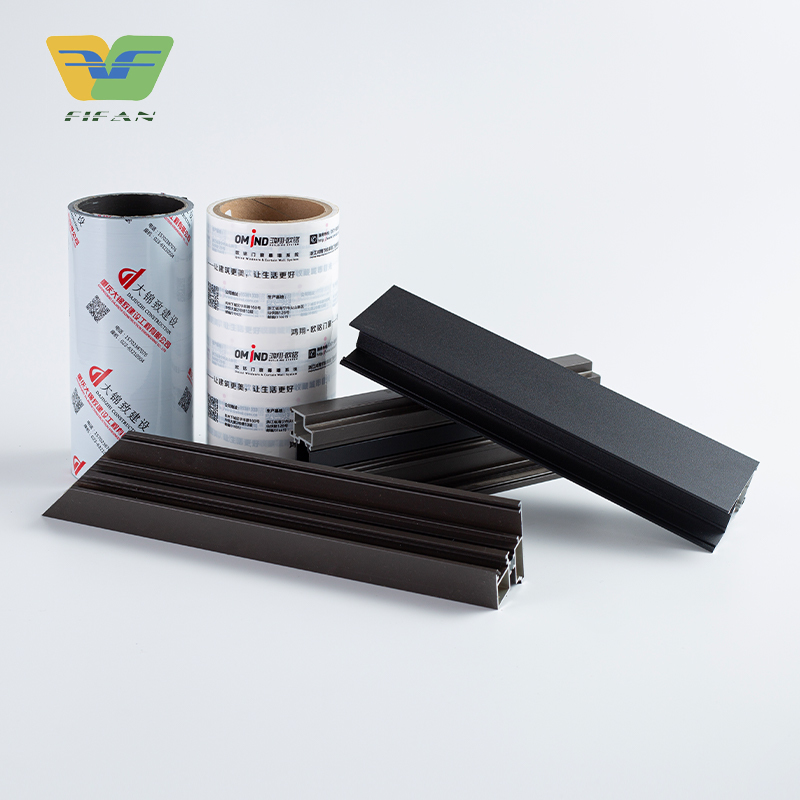
The first identification method is checking the original protective masking. Many manufacturers mark the UV-protected side through printed instructions, labels, or surface indicators on the protective film. The marked side should normally face outward toward sunlight. Removing the protective film before confirming the installation direction can create unnecessary confusion.
The second method is reviewing the technical documentation provided with the sheet. Product specifications usually indicate whether the sheet has single-side or double-side UV protection. For applications such as skylights, greenhouse panels, and exterior partitions, selecting the correct surface orientation is important because the UV layer functions as the main defense against solar radiation.
For manufacturers and processors handling large volumes of PC sheets, surface protection during production is equally important. The self-adhesive PE protective film for polycarbonate (PC) sheets is developed to protect the UV-coated surface without affecting transparency or leaving adhesive marks after removal. A specialized tack layer provides stable attachment while avoiding direct chemical interaction with the polycarbonate surface.
Optical Grade Self-Adhesive PE Film for UV-Protected PC Sheets
Optical-grade protective film represents a high-performance category designed for applications where surface clarity is a priority. Unlike ordinary protective films, optical-grade PE films require strict control of material purity, gel points, and surface defects. For transparent polycarbonate sheets, even minor contamination or residue may affect appearance after installation.
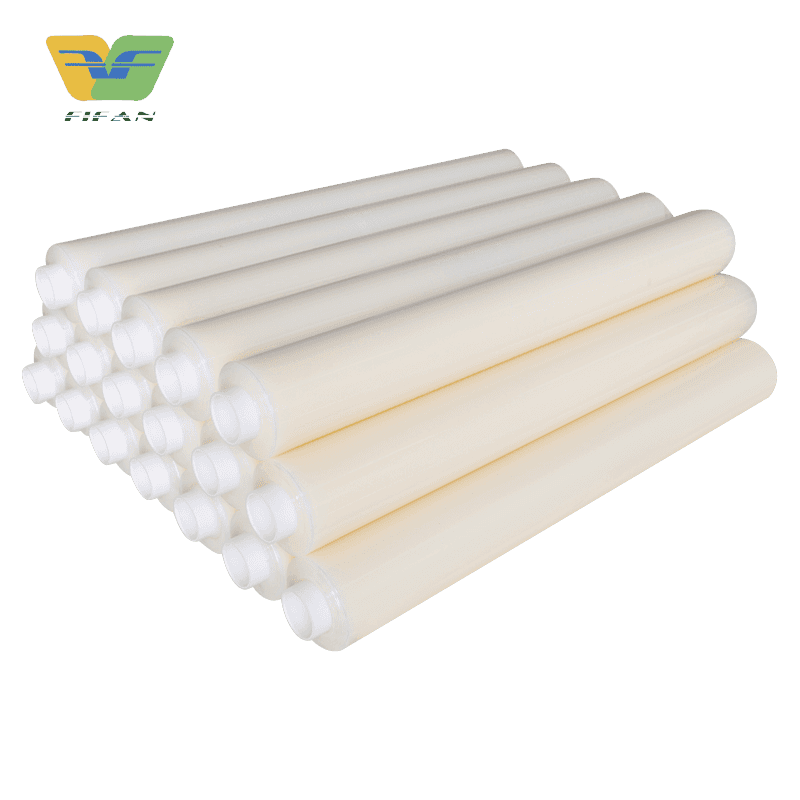
The self-adhesive PE protective film for polycarbonate (PC) sheets uses multi-layer co-extrusion technology to create a stable protective structure. Instead of relying on traditional liquid glue systems, the film uses a specialized self-adhesive layer that maintains clean bonding performance. This reduces the possibility of stress cracking, clouding, or surface contamination on high-transparency PC materials.
This product category is mainly positioned for applications requiring excellent surface preservation during manufacturing and logistics processes. Typical application areas include:
- Transparent architectural polycarbonate panels requiring clean surface protection before installation.
- Industrial machine covers and protective shields where optical appearance must be maintained.
- Cutting, drilling, CNC processing, and thermoforming operations that may generate scratches.
- International transportation where sheets need additional abrasion protection.
Compared with conventional adhesive films, optical-grade self-adhesive PE film provides better compatibility with sensitive PC surfaces. The low-residue design allows easy peeling after processing, while customized anti-static functions help reduce dust attraction during assembly. This makes the film suitable for high-value transparent materials where surface quality directly affects the final product appearance.
Technical Advantages of Optical Grade Protection
| Product Category |
Main Function |
Typical Application |
Key Advantage |
| Optical Grade PE Protective Film |
Protect transparent PC surfaces |
Clear panels, safety shields |
High clarity and residue-free removal |
| Thermoforming PE Protective Film |
Maintain protection during heat processing |
Warm bending and forming |
Stable adhesion under elevated temperature |
| Anti-Static PE Protective Film |
Reduce dust attraction |
Electronic and precision components |
Cleaner peeling and assembly process |
Thermoforming Protection Film for Processed Polycarbonate Components
Polycarbonate sheets are often shaped through secondary processing methods such as warm bending and light thermoforming. During these procedures, protective films must maintain stable adhesion without softening excessively or bonding permanently to the substrate. Thermoforming protection film is designed for these demanding conditions.
The main difference between standard surface protection film and thermoforming-grade film is temperature stability. During processing, the protective layer must continue shielding the UV-protected surface while allowing manufacturers to complete forming operations efficiently. The film structure is engineered to withstand temperatures above normal workshop conditions while preserving easy removal after processing.
The self-adhesive PE protective film for polycarbonate (PC) sheets developed by professional manufacturers can be customized according to processing requirements. Different adhesion levels can be selected depending on whether the PC sheet requires short-term transportation protection or longer protection during manufacturing cycles.
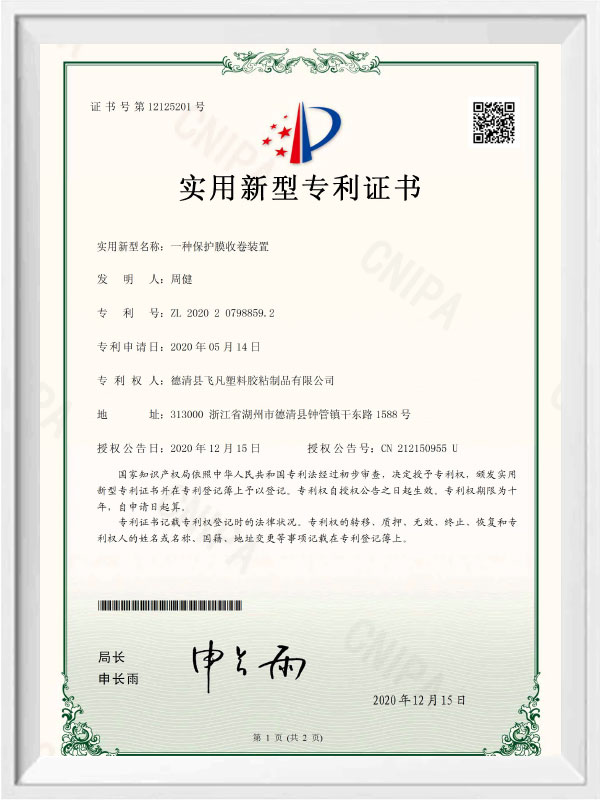
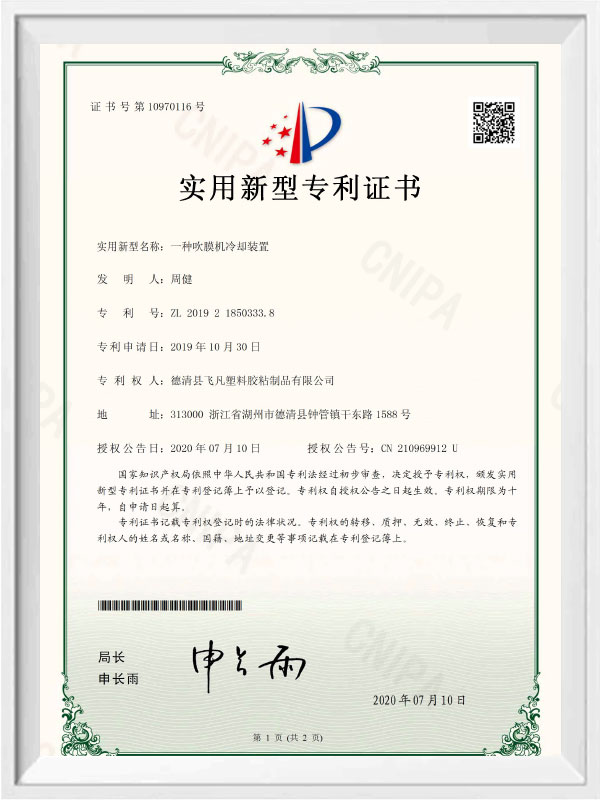
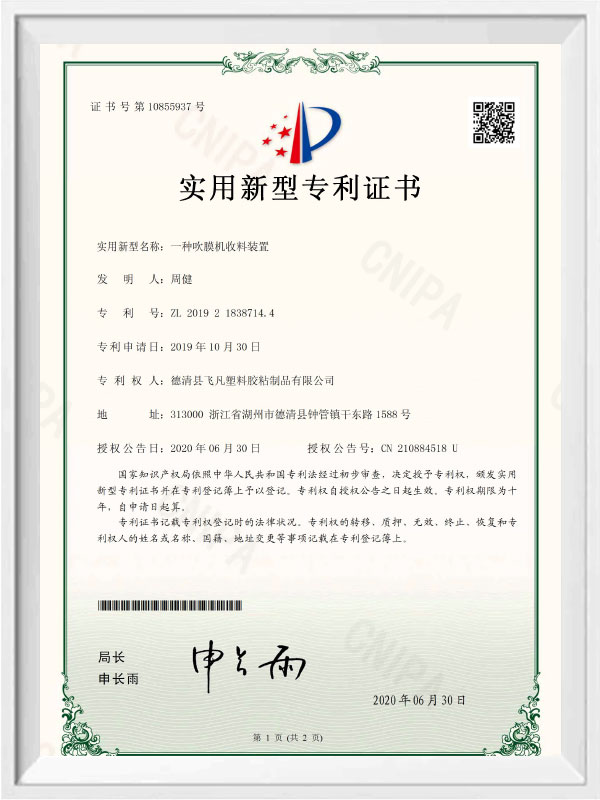
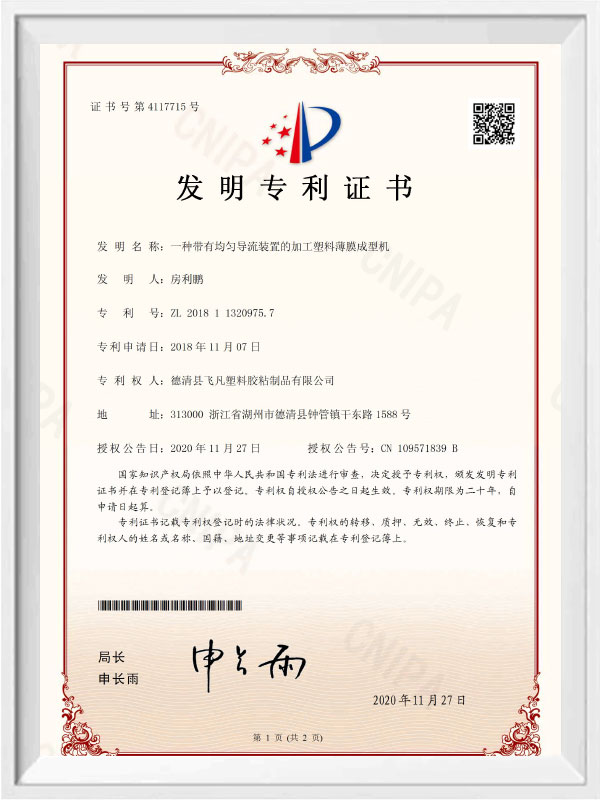
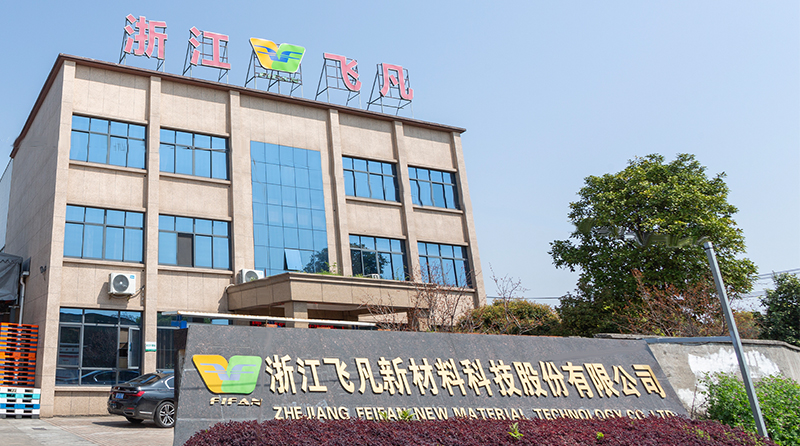
Zhejiang Feifan New Material Technology Co., Ltd. focuses on PE film and PE protective film manufacturing with complete process control from film blowing and coating to slitting and packaging. The company produces protective films using advanced equipment and centralized material feeding systems, ensuring consistent quality for applications involving sensitive surfaces such as polycarbonate sheets.
For thermoforming-related applications, Zhejiang Feifan New Material Technology Co., Ltd. provides customized solutions including thickness adjustment, width customization, adhesion adjustment, and anti-static performance optimization. These capabilities allow customers to select suitable protective films based on processing conditions rather than using a single standard product for all applications.
- Confirm the UV protection side before removing the original masking film from the polycarbonate sheet.
- Select a suitable PE protective film according to processing temperature, storage time, and surface sensitivity.
- Apply the protective film under clean conditions to reduce dust and particle contamination.
- Remove the film carefully after fabrication to maintain the original appearance of the PC surface.
Anti-Static and Clean Surface Protection Film Solutions
Dust control is another important factor when protecting polycarbonate sheets. Because plastic materials can easily accumulate static electricity, dust particles may attach to the surface during storage, peeling, and assembly. Anti-static protective film helps maintain cleaner surfaces and improves production efficiency.
The anti-static category focuses on applications where cleanliness requirements are higher than ordinary construction materials. It is commonly used for electronic equipment covers, optical components, precision panels, and other products where visible particles may affect final quality.
The self-adhesive PE protective film for polycarbonate (PC) sheets can integrate anti-static functions through customized film structures. This provides additional protection during handling while maintaining the advantages of PE material, including flexibility, recyclability, and convenient processing.
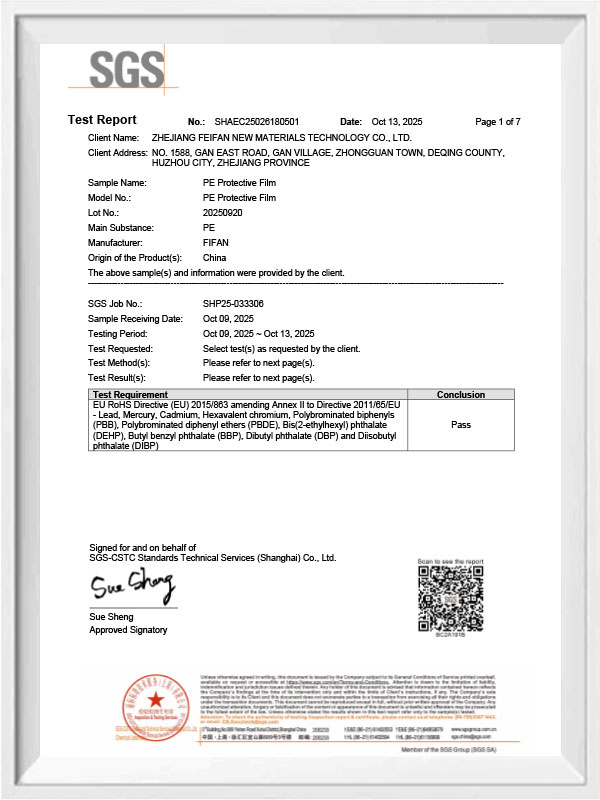
Zhejiang Feifan New Material Technology Co., Ltd. applies strict quality management throughout production, including raw material inspection, process monitoring, finished product testing, and outgoing sampling inspection. The company operates clean production environments and develops functional films for precision applications requiring high cleanliness and stable performance.
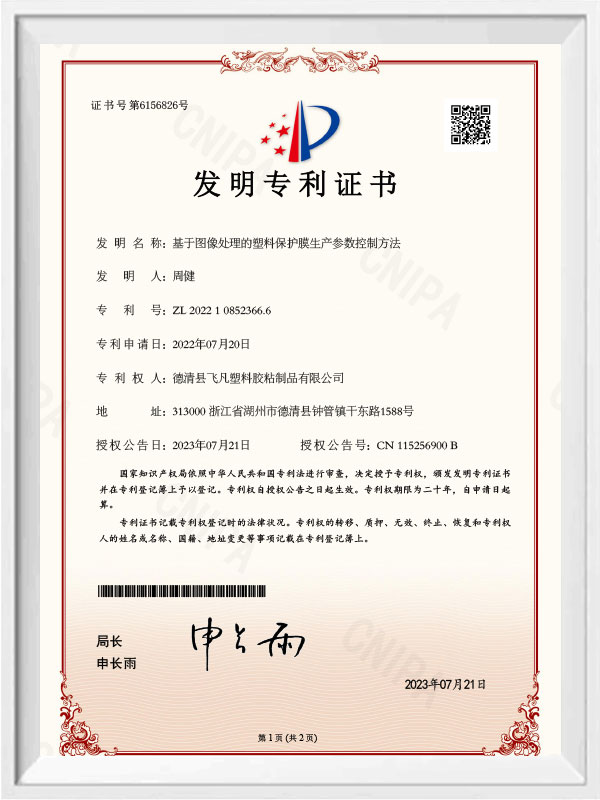
With an experienced R&D team and cooperation with research institutions, Zhejiang Feifan New Material Technology Co., Ltd. continues improving advanced adhesive technologies and functional PE films. The company also emphasizes sustainable manufacturing by optimizing energy consumption, reducing material waste, recycling production scraps, and improving environmental management throughout the production process.
How to Choose the Right Protective Film for Polycarbonate Sheets
Choosing the correct protective film depends on the type of polycarbonate sheet, processing method, storage environment, and required protection period. A film suitable for transportation may not provide the same performance during thermoforming or precision assembly.
- Choose optical-grade film when surface transparency is the highest priority.
- Select thermoforming-grade film for PC sheets undergoing heat processing.
- Use anti-static film in environments where dust control is essential.
- Consider customized adhesion levels for different storage and processing conditions.
A professional protective film supplier can help match the film structure with the actual production requirements. Through customized solutions, manufacturers can reduce surface defects, improve production efficiency, and maintain the original quality of UV-protected polycarbonate sheets.
Frequently Asked Questions
Q1: How can I identify which side of a polycarbonate sheet has UV protection?
The UV-protected side is usually marked by the original protective masking film or product documentation. The marked surface should face outward toward sunlight during installation.
Q2: Why is self-adhesive PE protective film for polycarbonate (PC) sheets suitable for transparent PC materials?
This protective film uses a specialized tack layer instead of traditional liquid adhesive, helping prevent residue, clouding, and surface contamination while maintaining optical clarity.
Q3: Can protective film remain on polycarbonate sheets during thermoforming?
Yes. Thermoforming-grade PE protective film is designed to maintain stable adhesion during suitable processing conditions and can be customized according to temperature and fabrication requirements.
Q4: What customization options are available for PE protective film solutions?
Manufacturers can customize thickness, width, length, adhesion level, color, anti-static performance, printed markings, and cleanliness requirements according to specific applications.
Q5: What makes Zhejiang Feifan New Material Technology Co., Ltd. suitable for protective film applications?
Zhejiang Feifan New Material Technology Co., Ltd. integrates production control, R&D capability, quality inspection, and customized manufacturing services to provide reliable PE film solutions for demanding industries.

 English
 русский
 عربى
عربى