Glue-less Surface Self-Adhesive PE Protective Film for Metal Sheets & Plates Industry knowledge
Why Traditional Adhesive Films Struggle on Metal Surfaces
Zhejiang Feifan New Material Technology has watched glue-based protective films cause more downstream headaches than they solve in metal fabrication lines. Standard pressure-sensitive adhesives are formulated to bond aggressively, which works fine for short-term storage but becomes a liability once metal sheets go through stamping, laser cutting, bending, or heat treatment. Under pressure and temperature swings, the adhesive layer can migrate into the metal's micro-texture, leaving a sticky film residue that requires solvent cleaning before painting, coating, or welding.
There's also a corrosion risk that's easy to overlook. Conventional glue formulations often contain trace chemical agents that react with bare or lightly oiled metal over time, especially in humid warehouse conditions. For stainless steel and aluminum sheets destined for appliance housings or structural panels, even minor surface staining can mean an entire batch gets downgraded or reworked.
- Adhesive migration into metal grain during hot stamping or roll forming
- Residue that interferes with paint adhesion and powder coating uniformity
- Chemical staining risk on polished or brushed stainless finishes after long-term storage
The Science Behind Glue-Less Tack-Layer Protection
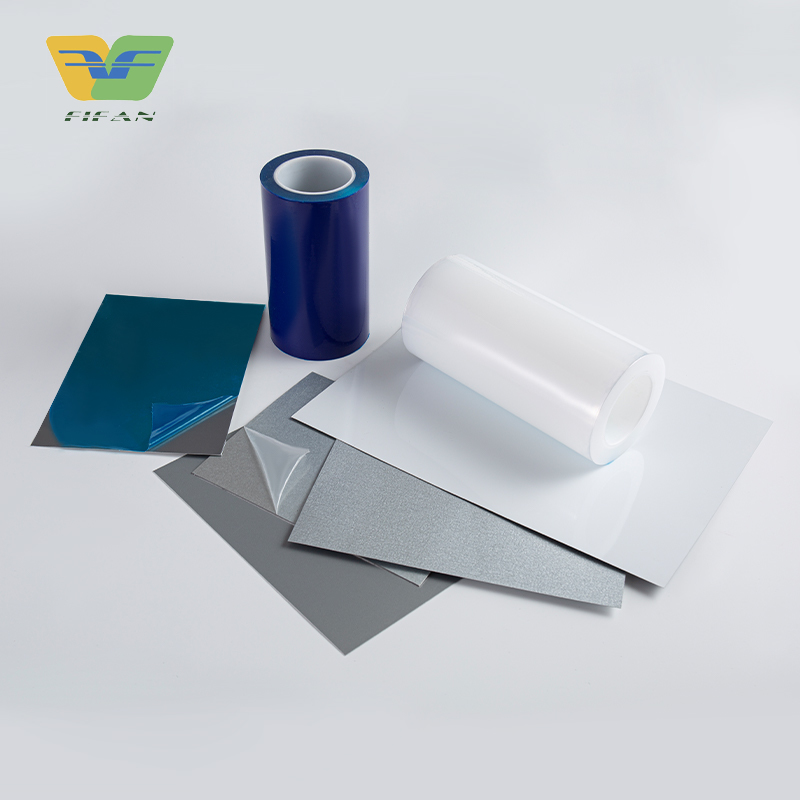
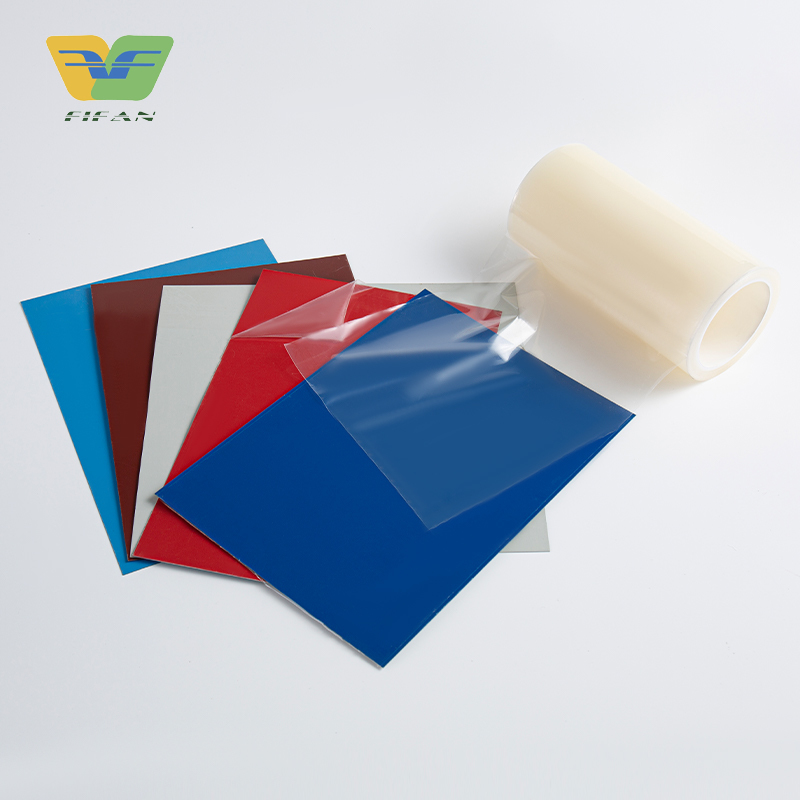
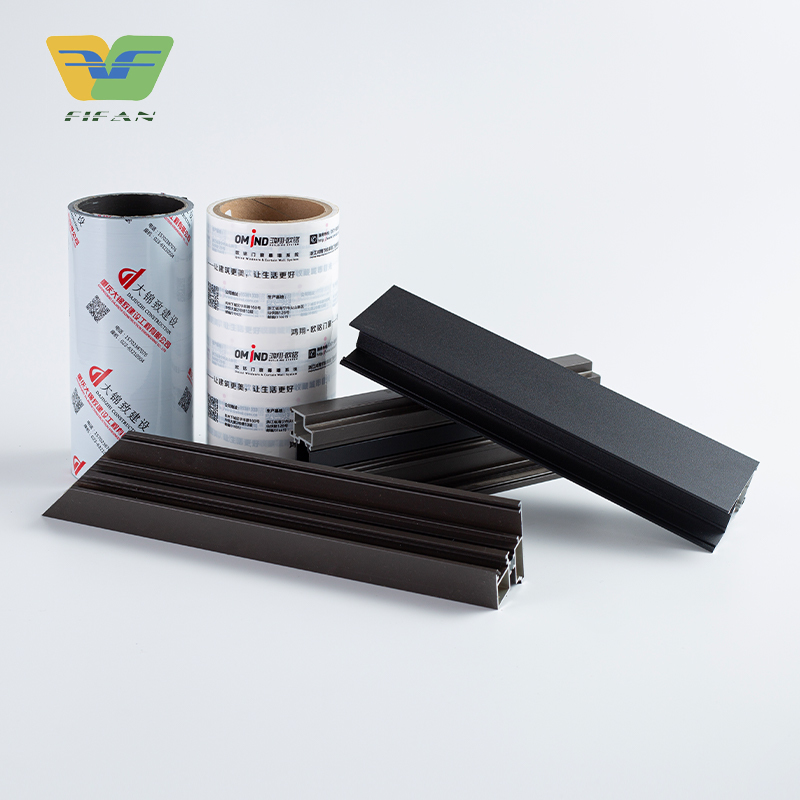
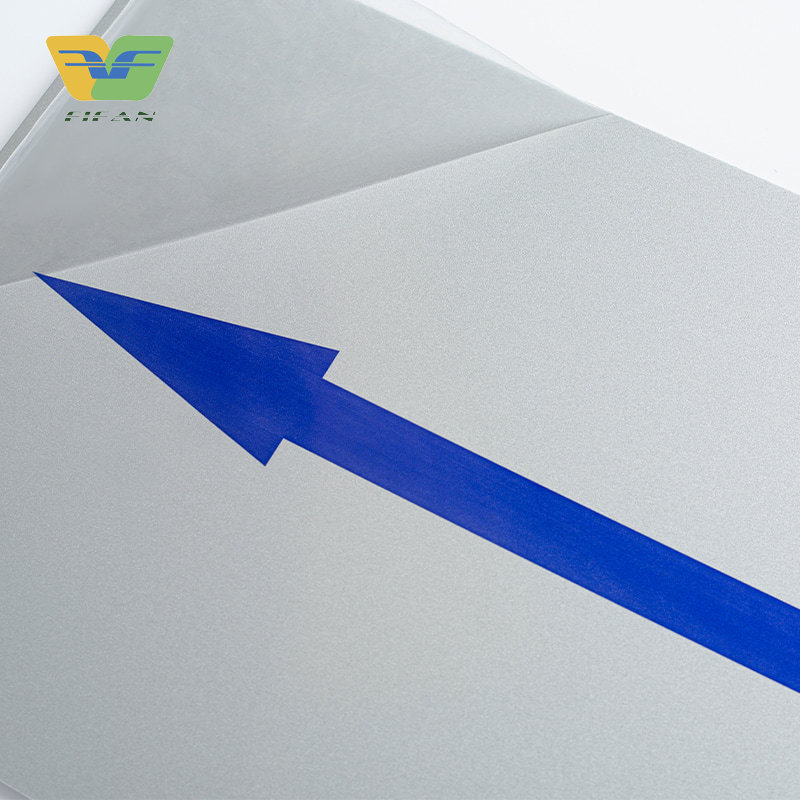
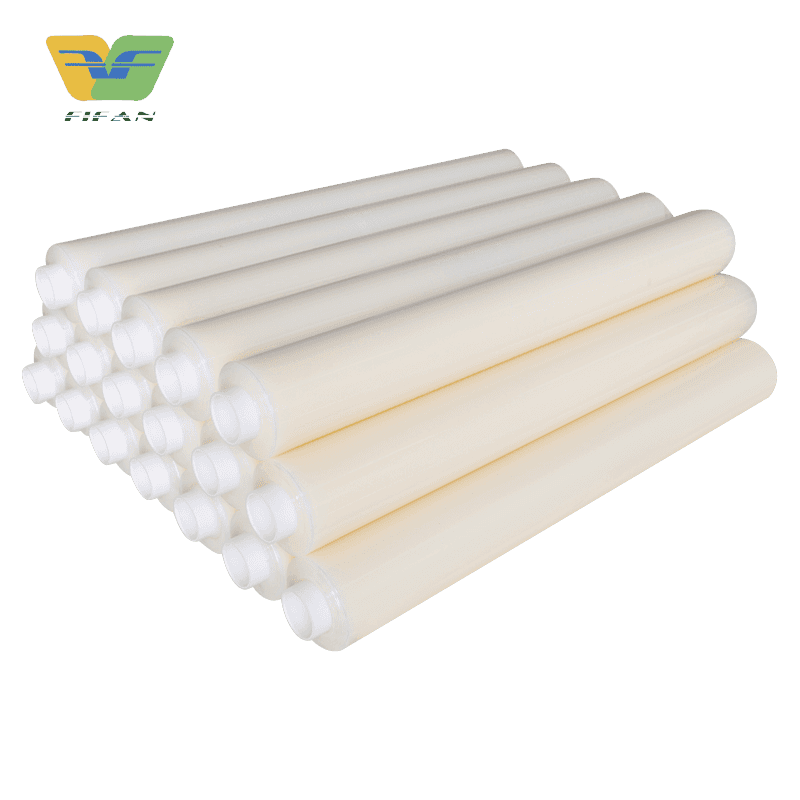
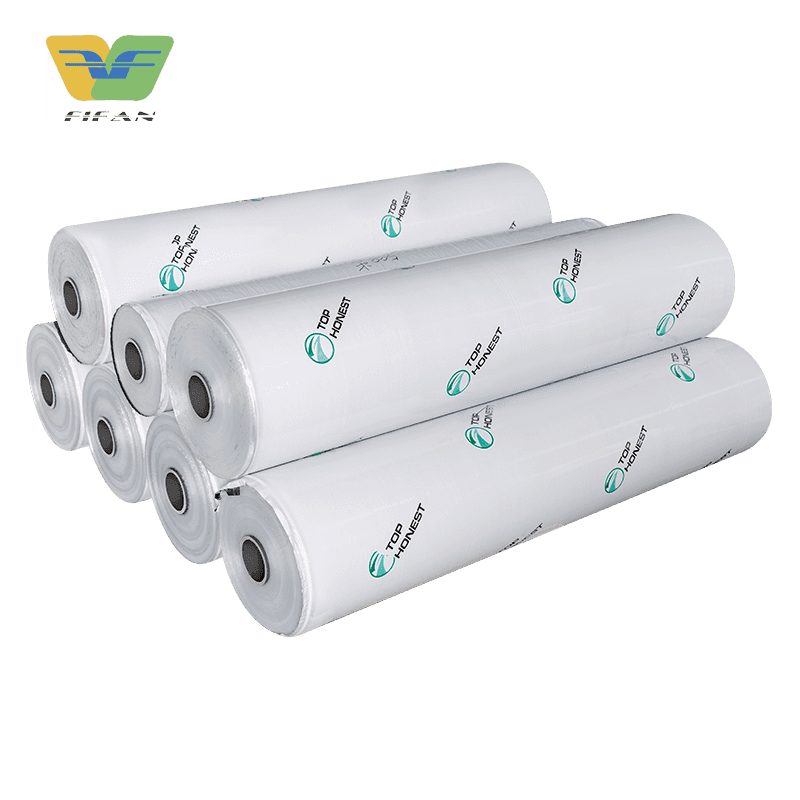
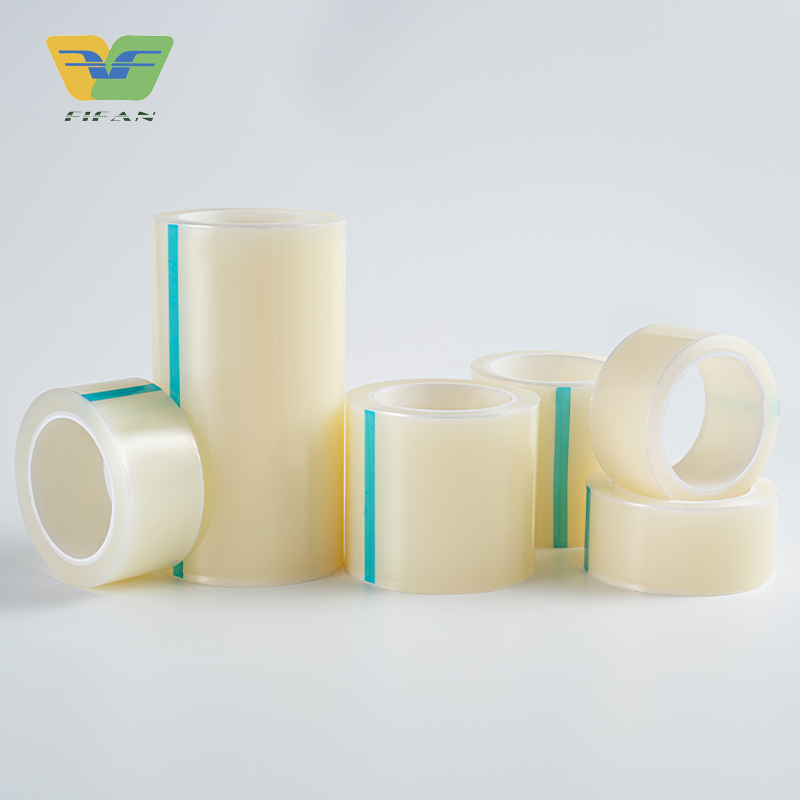
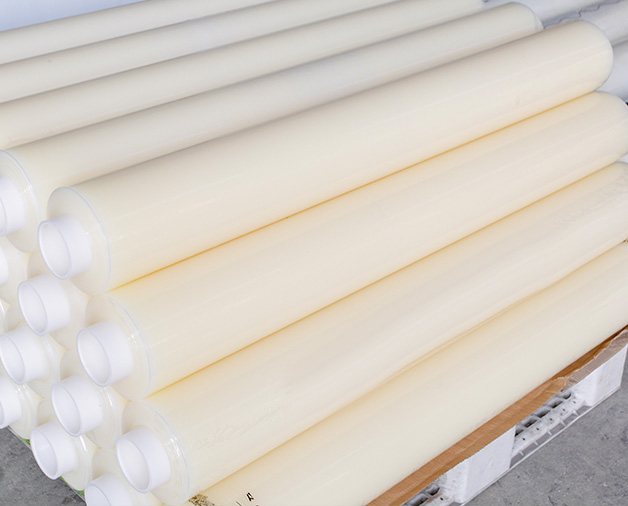
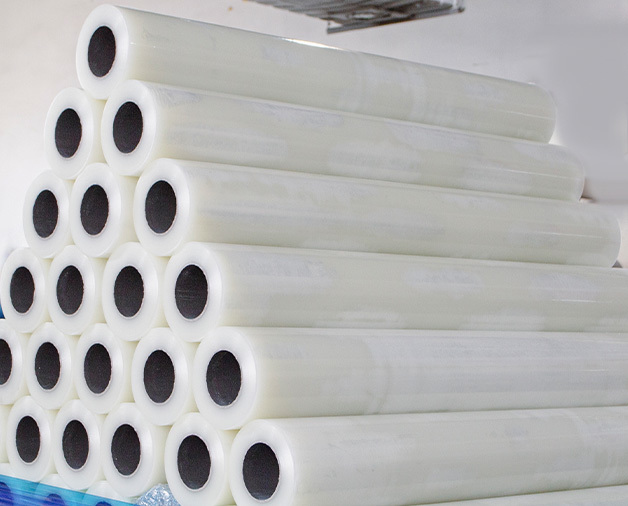
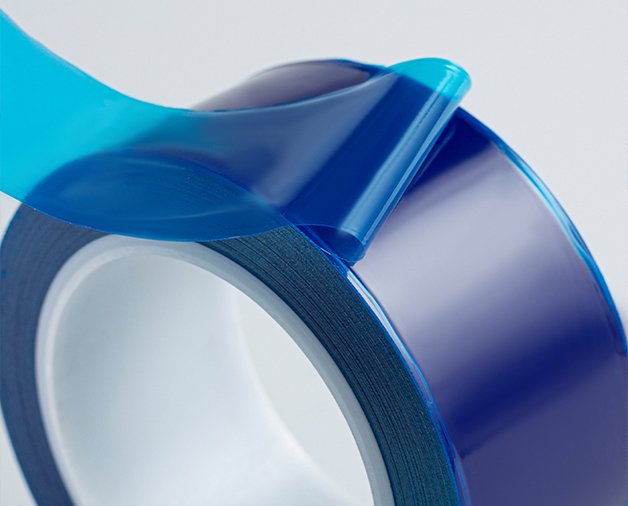
A co-extruded, glue-less film takes a fundamentally different approach. Instead of coating a carrier film with a separate adhesive compound, the tack layer is built directly into the film structure during extrusion, so the polymer itself provides just enough surface energy to cling to metal without any added chemistry. This is the working principle behind our Glue-less Surface Self-Adhesive PE Protective Film for Metal Sheets & Plates, which relies on molecular-level tack rather than a sticky compound layer.
Because there's no separate adhesive layer to break down under heat or pressure, the bond strength stays far more consistent across a wider temperature range. This matters most during processes like laser cutting, where localized heat can spike well above what a standard glue layer can tolerate before it starts to carbonize or transfer onto the metal surface.
| Property |
Glue-Based Film |
Glue-Less Tack-Layer Film |
| Residue after removal |
Common under heat/pressure |
Rare, clean peel |
| Heat tolerance |
Moderate |
Higher, more stable tack |
| Long-term storage stability |
Adhesive can harden or over-bond |
Consistent peel force over time |
General performance comparison between traditional glue-based film and glue-less tack-layer film on metal substrates.
Where This Protection Matters Most Across Industries
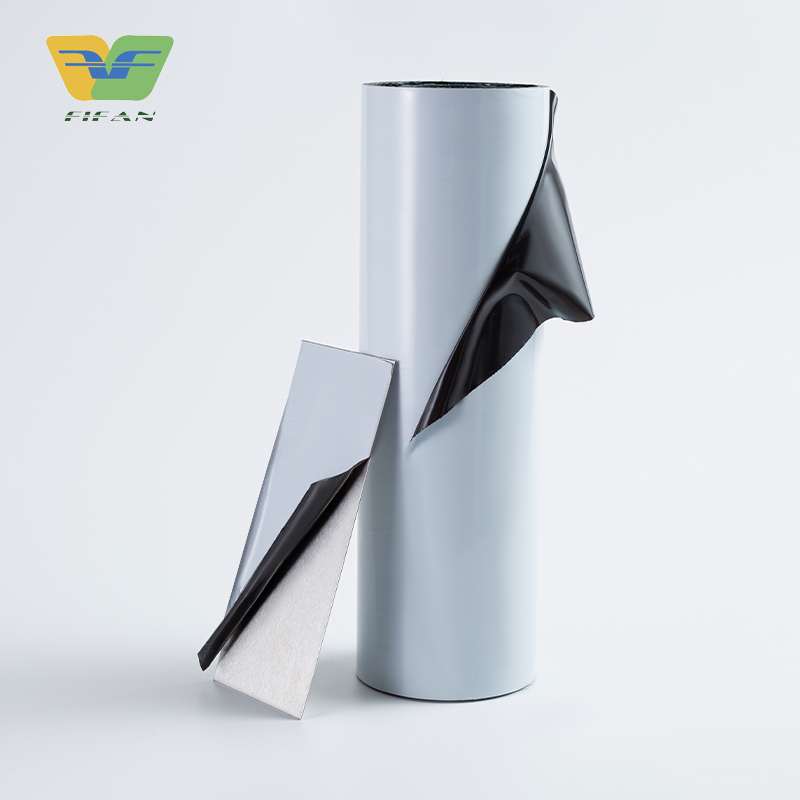
Appliance manufacturers working with brushed or mirror-finish stainless steel panels are especially sensitive to surface defects, since any scratch or haze shows up immediately on a finished refrigerator door or range hood. In these lines, a film that holds firm through die-cutting and bending but releases cleanly at final assembly saves a meaningful amount of rework time. Aviation-grade sheet metal has similar demands, where even fine scuffing during transport or machining can trigger a costly inspection failure.
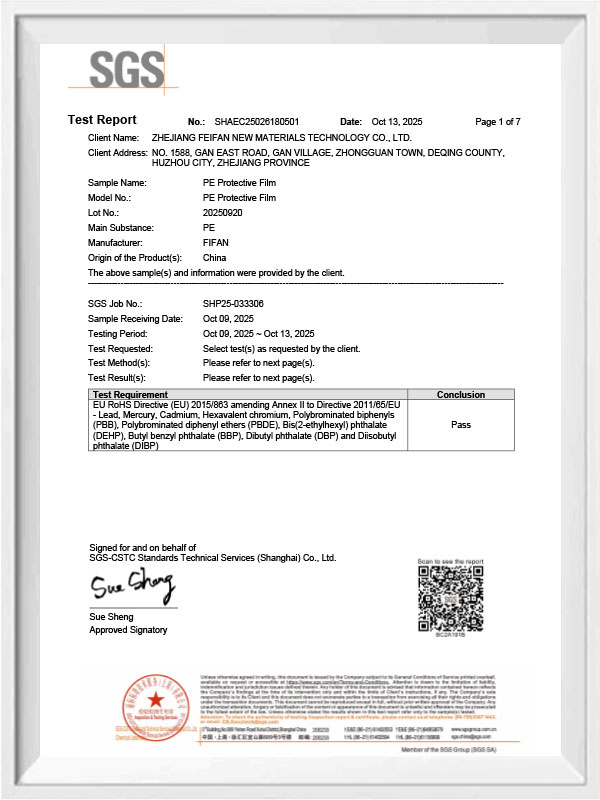
Feeding into these sectors, our operation runs blowing, coating, slitting, and packaging entirely in-house, which gives us direct control over tack consistency batch to batch — something that's much harder to guarantee when adhesive coating is outsourced. Manufacturers supplying appliance OEMs, structural steel fabricators, and food-grade equipment producers all benefit from that consistency, since a single inconsistent roll can mean rejected panels further down the line.
- Kitchen and home appliance housings with visible stainless or aluminum surfaces
- Aerospace sheet metal components requiring defect-free surfaces before machining
- Structural and architectural metal panels exposed to extended outdoor storage
Choosing the Right Protective Film for Your Metal Processing Line
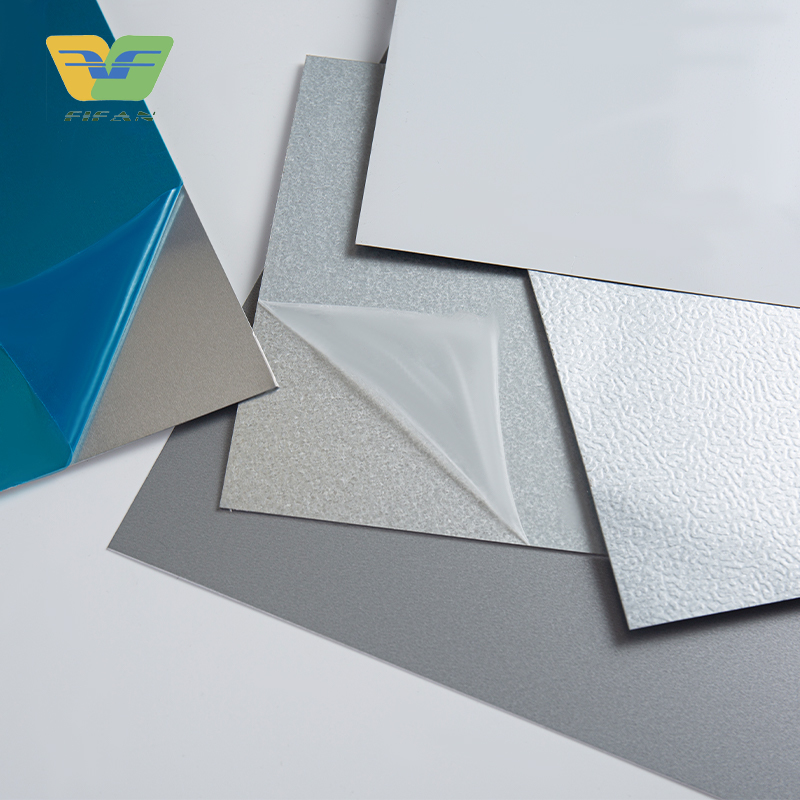
Peel strength shouldn't be the only spec a buyer checks. UV resistance, tack retention after prolonged outdoor exposure, and compatibility with the specific metal finish (mirror, brushed, embossed, or coated) all affect real-world performance just as much as initial adhesion numbers on a datasheet. A film that performs well on galvanized steel may behave very differently on anodized aluminum, so testing on the actual substrate is always worth the extra step before committing to a full production run.
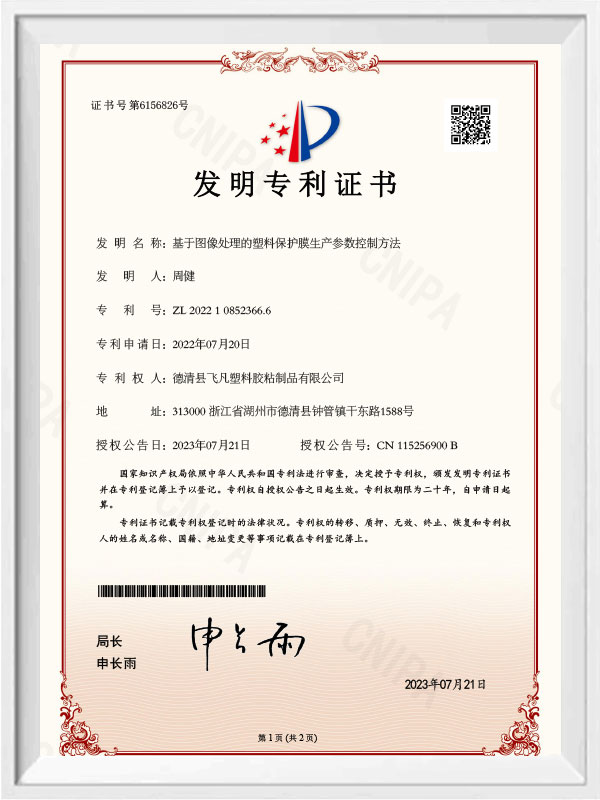
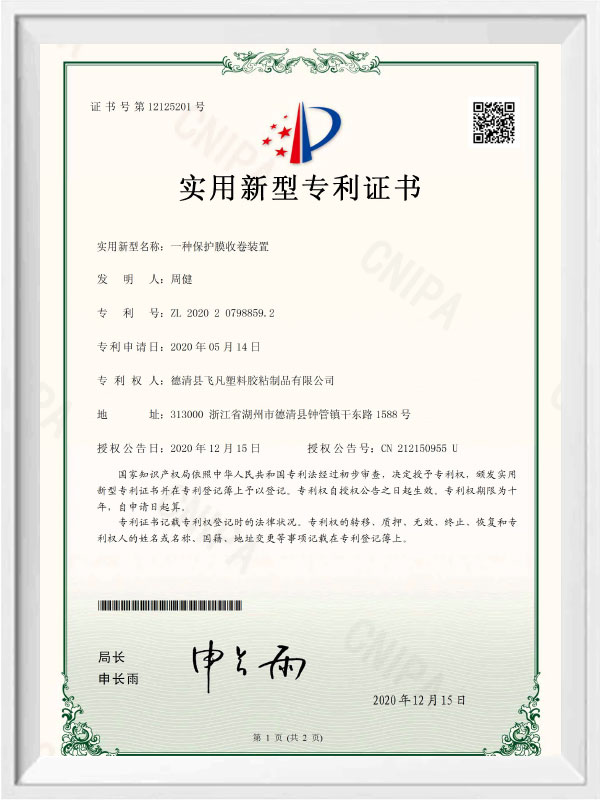
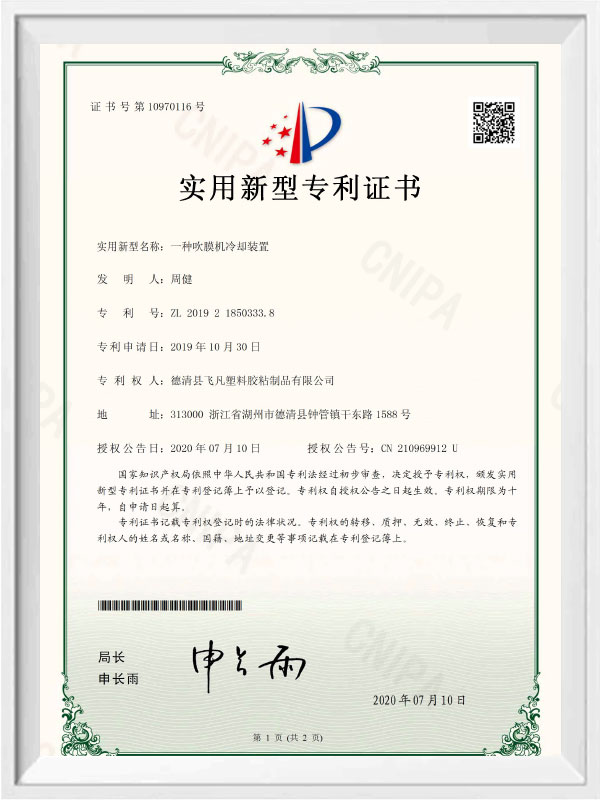
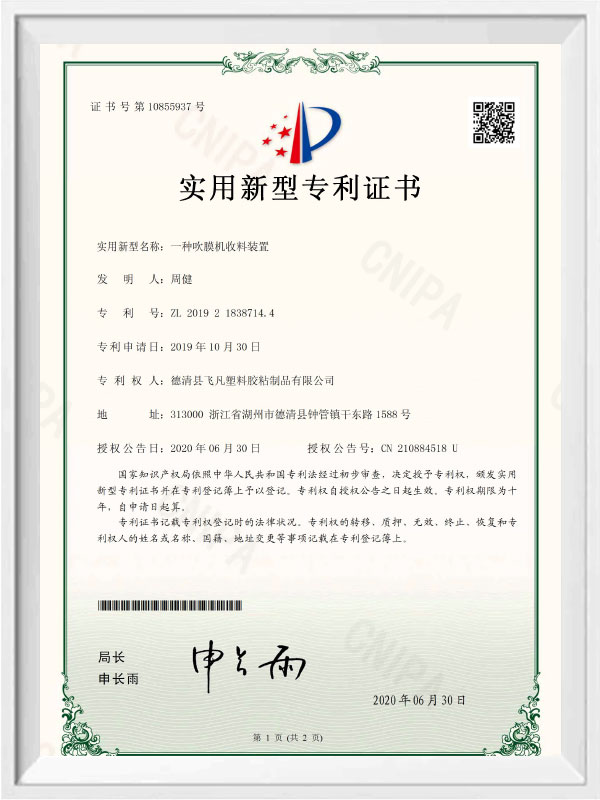
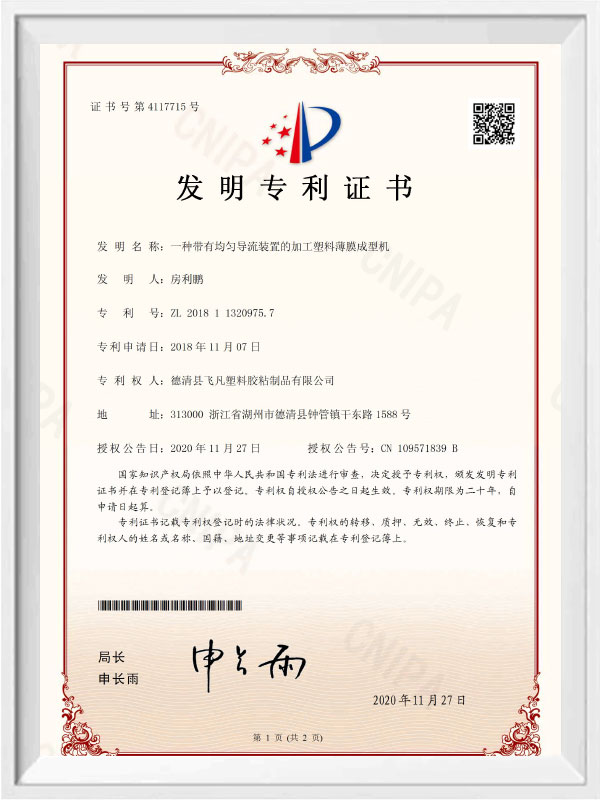
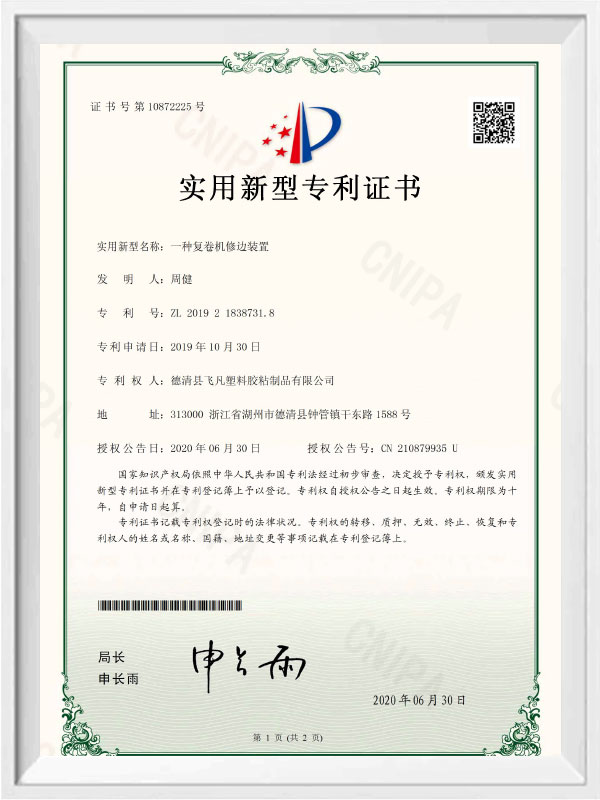
Buyers sourcing at volume should also ask about traceability and in-house quality control, since inconsistent tack across rolls is one of the most common — and most preventable — causes of line stoppages. As a National High-Tech Enterprise holding multiple invention and utility model patents, we've built our Glue-less Surface Self-Adhesive PE Protective Film for Metal Sheets & Plates around that kind of batch-to-batch reliability, which is what customers like Robam, Fotile, and Haier expect on high-volume appliance lines.

 English
 русский
 عربى
عربى