What Adhesive Type Works Best for PVC, Aluminum, and Wood-Plastic Composite Extrusion Profiles?
Selecting the right adhesive system for extrusion profiles depends on three critical factors: surface energy of the profile material, processing conditions (temperature and speed), and end-use environment (indoor vs. outdoor exposure). Different substrate materials require different adhesive chemistries to achieve secure bonding without residue.
Adhesive Type Comparison by Substrate
- PVC Profiles: Rubber-based adhesive (medium tack, 150-200 cN/20mm) — provides excellent initial tack, conforms well to slightly rough PVC surfaces, and removes cleanly even after extended application periods.
- Aluminum Profiles: Acrylic-based adhesive (medium-high tack, 200-280 cN/20mm) — offers superior temperature resistance (up to 80°C) and excellent oil/grease resistance, critical for aluminum extrusion processes that involve lubricants.
- Wood-Plastic Composite (WPC) Profiles: Modified acrylic adhesive (medium tack, 180-230 cN/20mm) — balances adhesion strength with the porous, fibrous nature of WPC surfaces, preventing both edge-lifting and difficult removal.
Key Performance Parameters
- Adhesion Range: Low (80-120 cN/20mm) — suitable for smooth, non-demanding surfaces | Medium (150-250 cN/20mm) — optimal for most extrusion profiles | High (280-350 cN/20mm) — reserved for rough or textured surfaces
- Temperature Resistance: Rubber-based: up to 60°C | Acrylic-based: up to 80°C | Modified acrylic: up to 70°C
- Oil Resistance: Rubber-based: moderate | Acrylic-based: excellent | Modified acrylic: good
- Removability: Rubber-based: clean removal up to 6 months | Acrylic-based: clean removal up to 12 months | Modified acrylic: clean removal up to 9 months
- Typical Film Thickness: 50-80 μm for standard profiles | 80-100 μm for heavy-duty or outdoor applications
How We Select the Right Adhesive at Zhejiang Feifan New Material Technology Co., Ltd.
At Zhejiang Feifan New Material Technology Co., Ltd., our approach to adhesive selection is data-driven and application-specific. Here's our process:
1. Surface Energy Analysis
We test the surface energy of your extrusion profile material using contact angle measurement. PVC and WPC typically have lower surface energy (30-38 mN/m), requiring rubber-based or modified acrylic adhesives with better wetting properties. Aluminum has higher surface energy (40-50 mN/m), allowing acrylic-based adhesives to bond more effectively.
2. Processing Line Integration
Our adhesives are formulated to perform under the specific conditions of your extrusion line. Whether your line runs at high speed (50-80 m/min) or involves post-extrusion heating, we adjust tack level and cure time to ensure consistent application without film wrinkling or lifting.
3. Real-World Testing
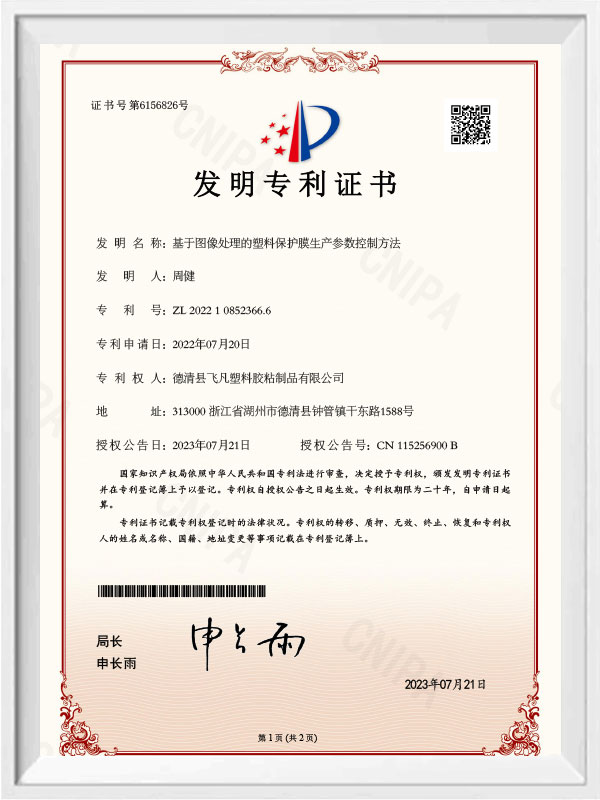
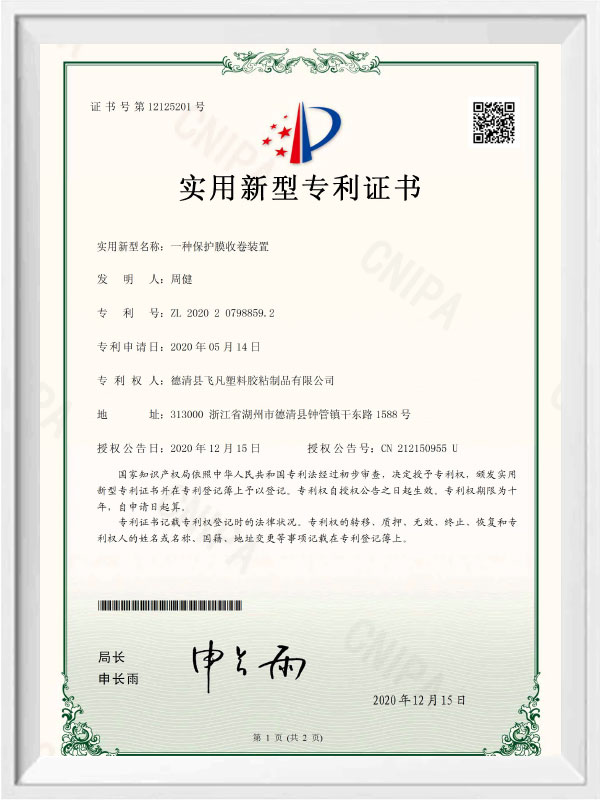
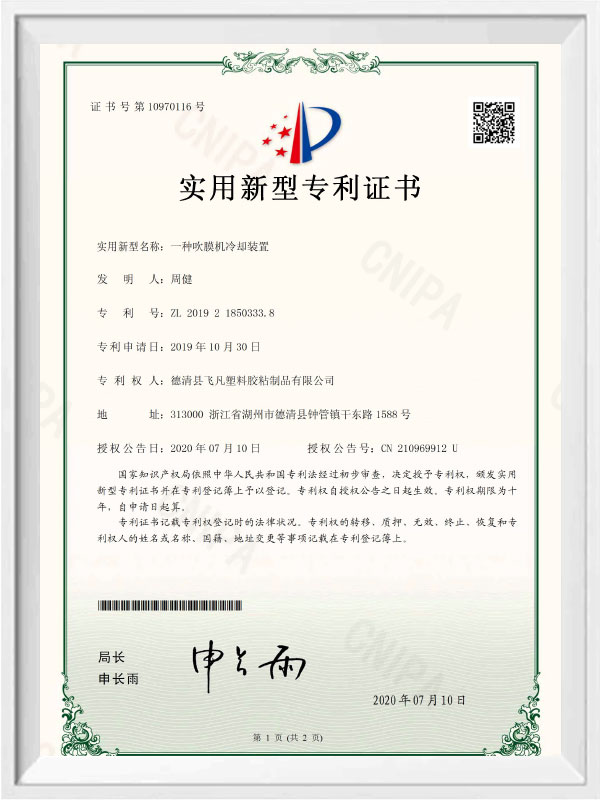
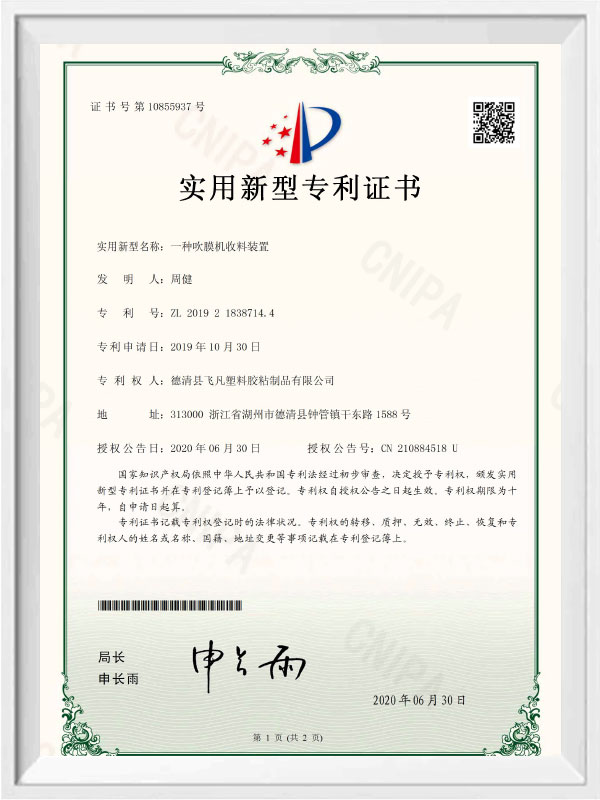
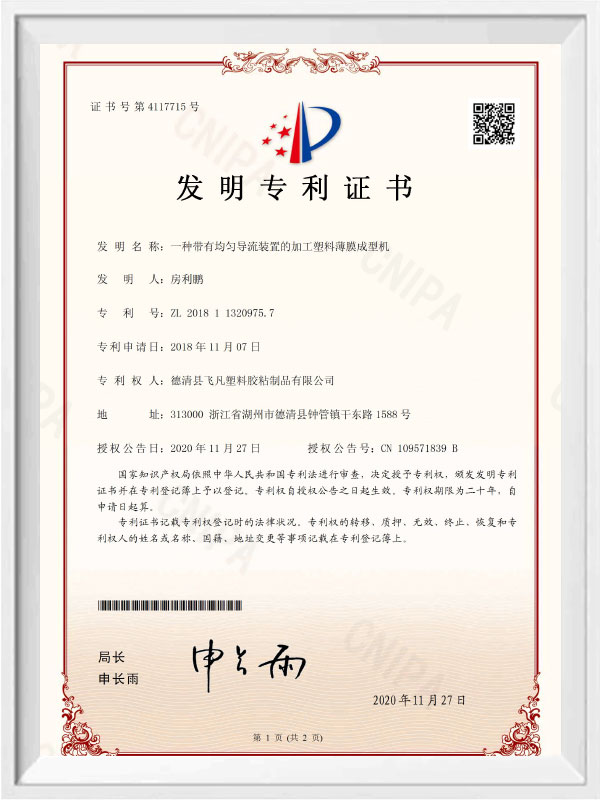
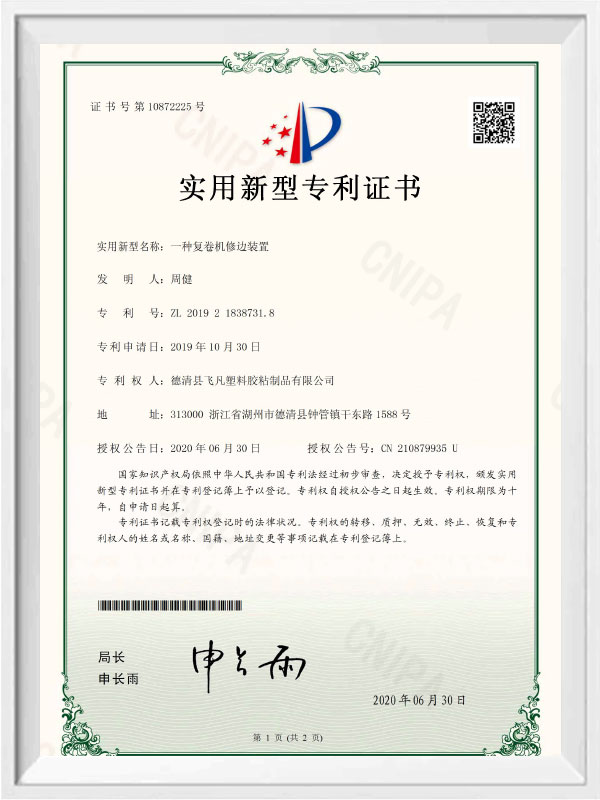
With over 20 years of experience, we validate our adhesive recommendations through accelerated aging tests, humidity cycling, and temperature extremes. Our in-house R&D center, holding 2 invention patents and 15 utility model patents, continuously refines formulations to meet evolving industry requirements.
Practical Selection Guide
- For PVC window profiles (indoor use): Rubber-based adhesive, 60 μm thickness, low-to-medium tack (150-180 cN/20mm) — cost-effective and residue-free removal
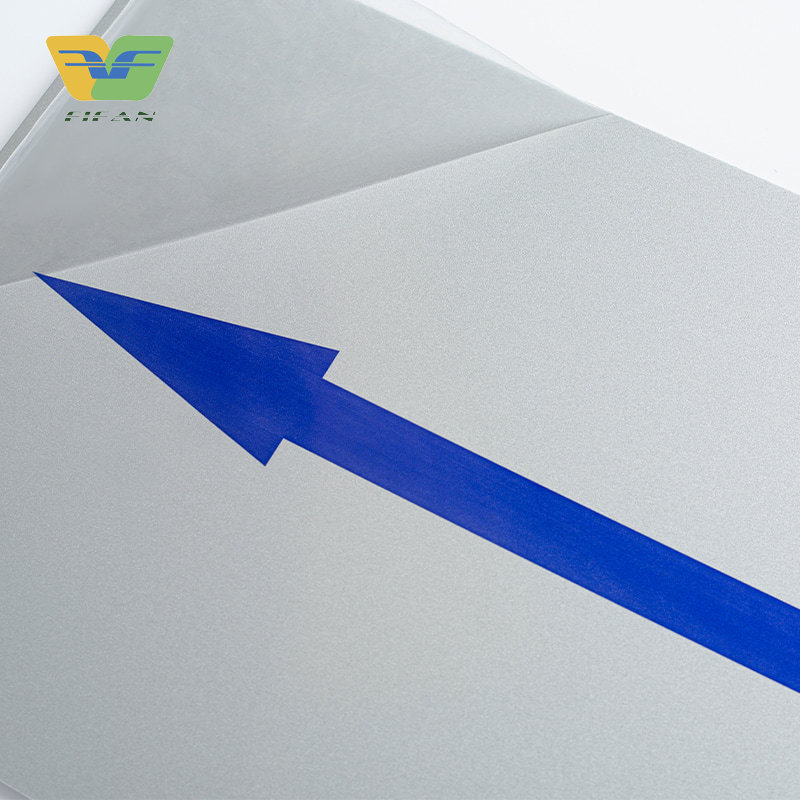
- For aluminum architectural profiles (outdoor use): Acrylic-based adhesive, 80 μm thickness with UV inhibitors, medium-high tack (220-260 cN/20mm) — excellent weatherability (500+ hours)
- For WPC decking profiles: Modified acrylic adhesive, 70 μm thickness, medium tack (190-220 cN/20mm) — optimized for porous surfaces and long-term protection
Our full in-house process — from blowing and coating to slitting and packaging — ensures consistent adhesive application across our annual production of 8,000 tons of PE film and 50 million square meters of PE protective film. Trusted by industry leaders including Robam, Fotile, BYD, and Haier, Zhejiang Feifan New Material Technology Co., Ltd. delivers reliability for every extrusion profile application.
Learn more about our specialized solutions for extrusion profiles at PE Protective Film for Extrusion Profiles.
Frequently Asked Questions
FAQ 1: Can Zhejiang Feifan New Material Technology Co., Ltd. provide custom adhesive formulations for unique extrusion profile materials?
Yes. Zhejiang Feifan New Material Technology Co., Ltd. specializes in custom solutions. With our municipal R&D center and extensive formulation expertise, we can tailor adhesive chemistry, tack level, and film thickness to match your specific substrate — whether it's a new polymer blend, a coated surface, or a textured finish. Our team works closely with customers to conduct compatibility testing and optimize performance before full production. We have successfully developed custom adhesive systems for various specialty profiles across the appliance, construction, and automotive industries, serving partners like Robam, Fotile, BYD, and Haier.
FAQ 2: How do I prevent adhesive residue when removing PE protective film from aluminum extrusion profiles?
Adhesive residue on aluminum profiles typically occurs when the adhesive is not matched to the surface finish or when the film has been left on for too long. At Zhejiang Feifan New Material Technology Co., Ltd., we recommend using acrylic-based adhesives for aluminum surfaces, as they offer clean removability for up to 12 months. Key factors to prevent residue include: selecting the correct tack level (not overly aggressive), removing the film within the recommended time frame, and ensuring the aluminum surface is free of oils or contaminants before film application. For high-temperature aluminum extrusion processes, our acrylic adhesives maintain stability without degrading, ensuring peel-off remains clean. Our PE Protective Film for Extrusion Profiles is specifically engineered to address these concerns.
FAQ 3: What is the difference between rubber-based and acrylic-based adhesives for WPC profiles?
For WPC (wood-plastic composite) profiles, rubber-based adhesives provide good initial tack and conformability to rough surfaces, but they may lose adhesion over time due to the porous nature of WPC and potential plasticizer migration. Acrylic-based adhesives, particularly the modified acrylic formulations developed by Zhejiang Feifan New Material Technology Co., Ltd., offer superior long-term stability, better temperature resistance, and more consistent adhesion across varying humidity levels. Our modified acrylic adhesive is specifically engineered for WPC, balancing the need for secure bonding with easy removability. We recommend acrylic-based adhesives for WPC profiles that require outdoor exposure or extended protection periods (6-9 months). Our team can provide free samples for side-by-side testing to help you make the best choice for your specific WPC formulation.

 English
 русский
 عربى
عربى