
- Product
-
Our Story
Why Choose Us?We are a national high-tech enterprise and a provincial "Specialized and Refined" SME, focusing on the R&D, production, and sales of PE protective film. As a leader in the industry, we are committed to serving global customers with innovative technology and have won wide recognition in the market.
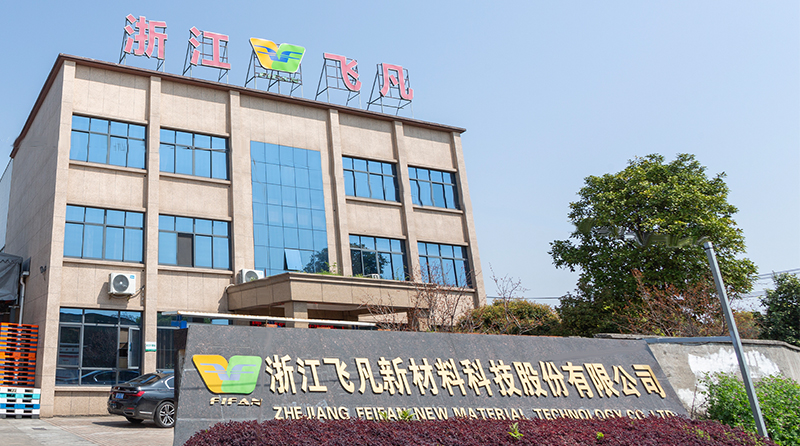 Coming From China, Marketing To The World.
-
News
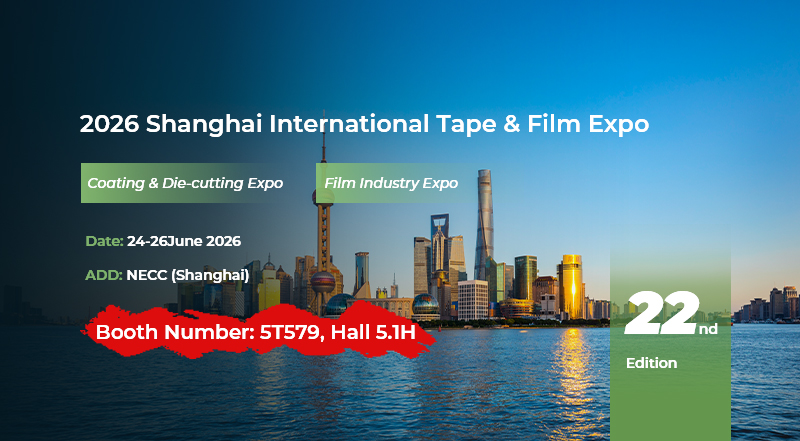 Feifan was invited to participate in the 2026 Shanghai International Tape and Film Exhibition
Dear Valued Customer / Partner, We are pleased to announce that our company will be exhibiting at APFE 2026 – the 22nd Shanghai International Adhesive Tape & Film Expo (Coating & Laminating E...
 English
 русский
 عربى
PE Protective Film for Extrusion Profiles: Selection Guide for Manufacturers
Content
- 1 Three Conditions That Decide Which PE Protective Film for Extrusion Profiles You Need
- 2 Adhesion Levels for PE Protective Film for Extrusion Profiles: A Practical Comparison
- 3 UV Stabilization: When PE Protective Film for Extrusion Profiles Needs It
- 4 What a Qualified Supplier Must Control in PE Protective Film
- 5 How to Qualify a PE Protective Film Manufacturer in Three Steps
- 6 Frequently Asked Questions
An extruder runs 800 profiles through a powder-coating line, stacks them in a warehouse, and peels the PE protective film three weeks later. A 2 cm band of haze stays on the profile where the film was pressed longest. This failure pattern is the reason extrusion profile processors treat PE protective film as a process-critical consumable, not a packaging material.
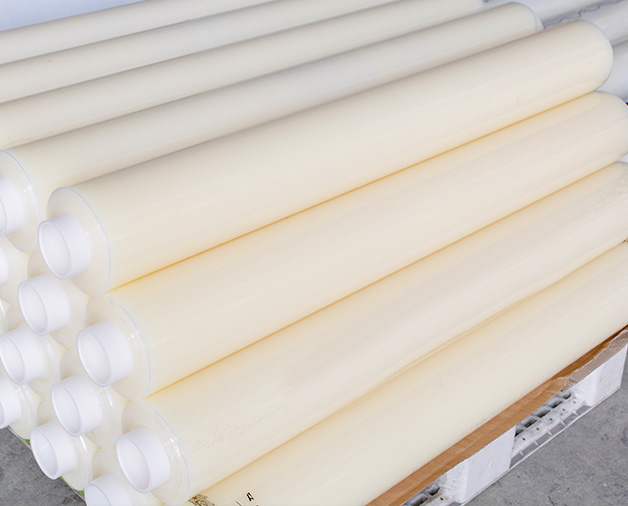
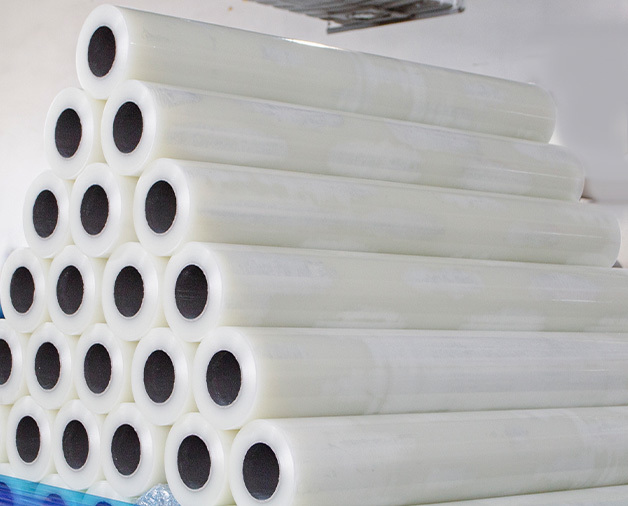
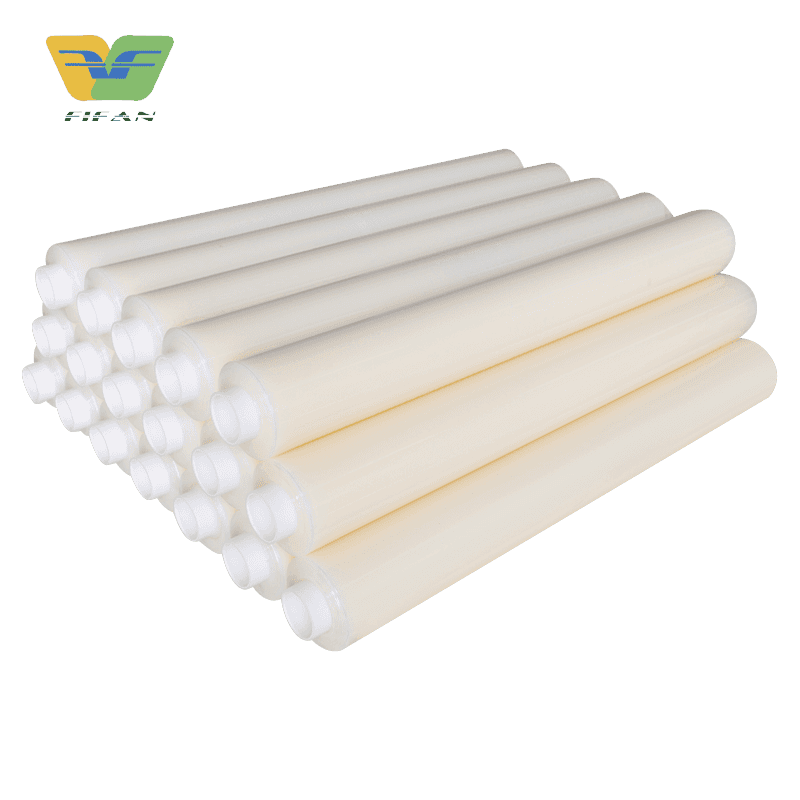
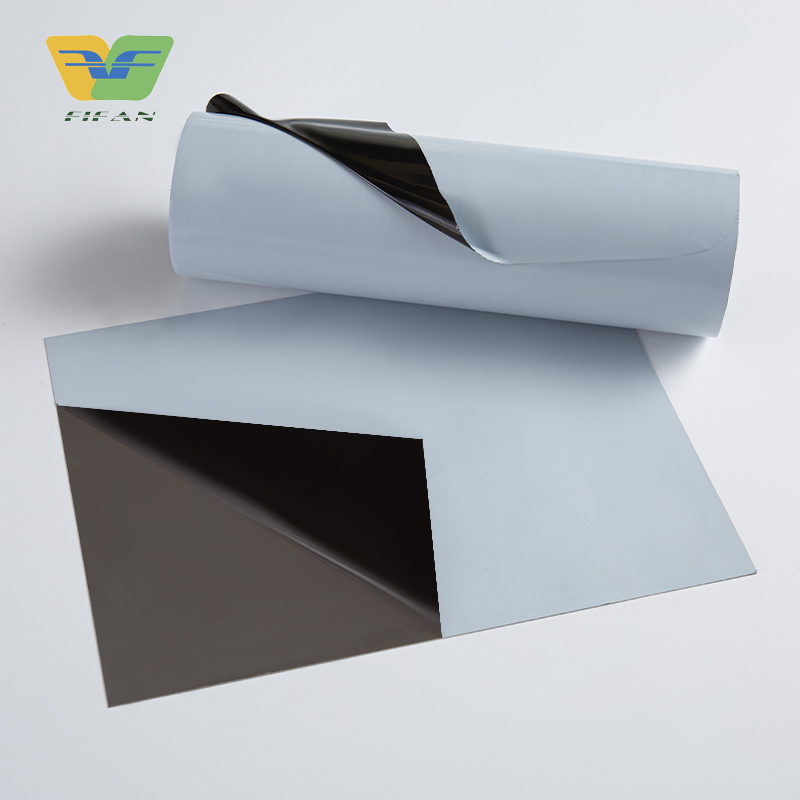
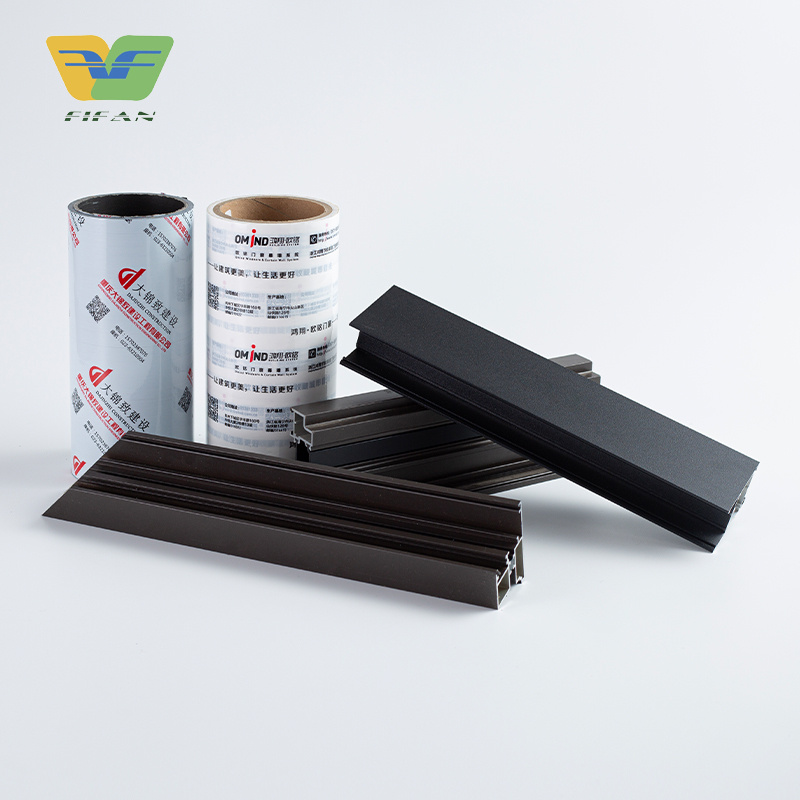
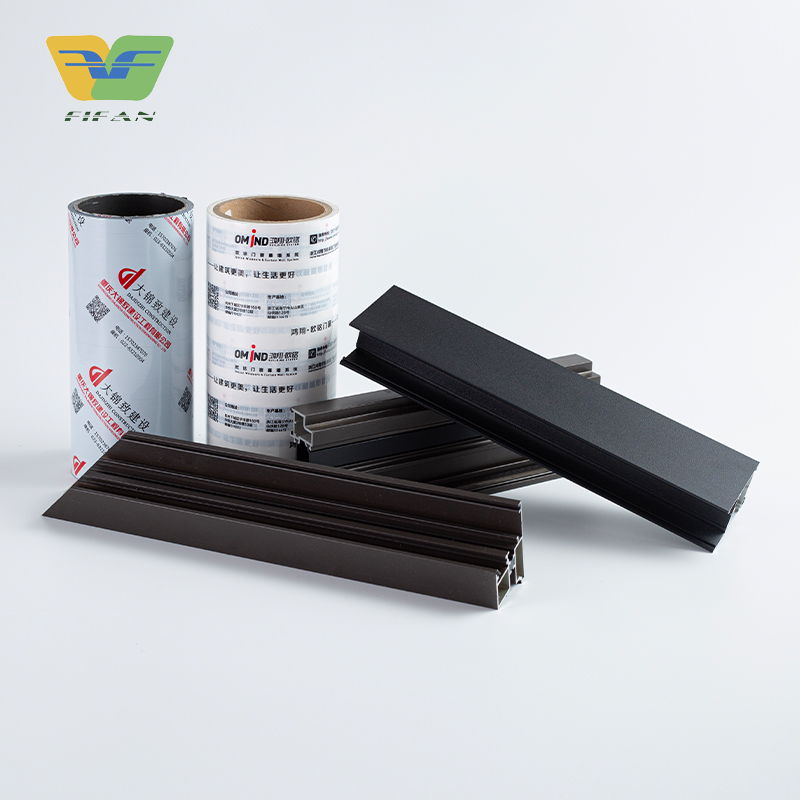 Three-Layer PE Protective Film for Extrusion ProfilesThis film shields aluminum, PVC, and UPVC profiles from scratches, cement splashes, and corrosion during handling and transport, ensuring a clean peel without residue after prolonged storage.View Product →
PE protective film for extrusion profiles is engineered for one job: stay intact through cutting, routing, and transport, then peel off without residue. The film that does this is chosen by three measurable conditions. Get those conditions wrong, and you trade a cheap consumable for a costly surface rework.
Three Conditions That Decide Which PE Protective Film for Extrusion Profiles You Need
Three conditions determine the correct PE protective film: the profile surface finish, the downstream fabrication steps, and the time the film will stay on the profile.
Surface finish
Anodized aluminum and polished profiles have low surface energy. A low-tack film tears off cleanly but can lift during routing. Powder-coated profiles have a textured, higher-energy surface that demands a different adhesion window.
Downstream fabrication
Profiles that are cut, milled, or bent after lamination put mechanical stress on the film. The film has to move with the profile without edge lifting, because lifted edges let coolant and dust reach the finished surface.
Exposure time and environment
A profile that ships to a tropical port by sea faces humidity and direct sunlight on the deck. A profile that stays indoors for a week faces a different exposure. Dwell time and UV load decide whether you need a UV-stabilized film.
Adhesion Levels for PE Protective Film for Extrusion Profiles: A Practical Comparison
Adhesion is the most quoted but least verified parameter. The tack number on a data sheet describes a reference surface. On your profile, the same film behaves differently.
| Surface condition | Recommended adhesion | Typical peel range | Failure risk |
| Mirror anodized | Low tack | 80-150 g/25mm | Film lifts during forming |
| Powder-coated interior | Medium tack | 150-300 g/25mm | Residue after 30 days |
| UV-coated wood grain | Medium-high tack | 250-350 g/25mm | Adhesive transfer on hot days |
| Architectural aluminum panel | High tack | 300-500 g/25mm | Glue residue at long dwell |
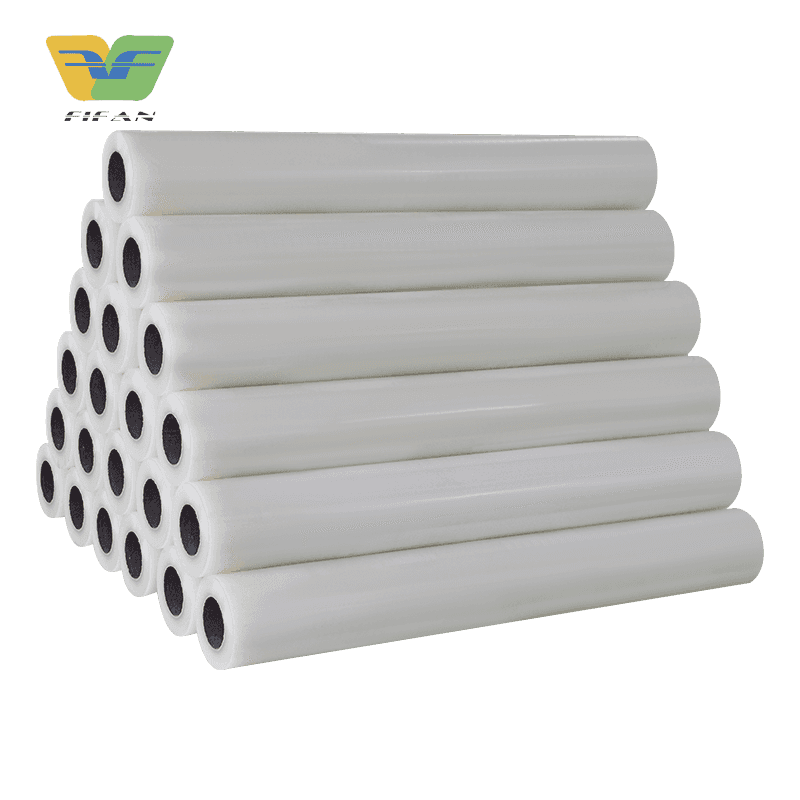
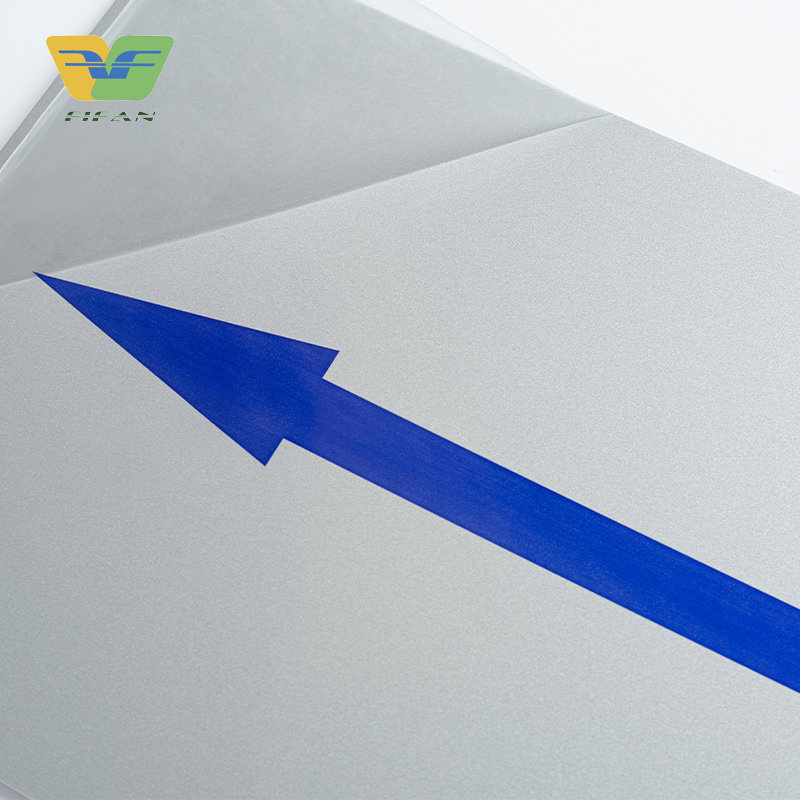 High-Tack PE Film for Architectural Aluminum PanelsDesigned for architectural aluminum solid sheets, this three-layer PE film with high tack protects PVDF or powder-coated finishes from abrasion and mechanical damage during fabrication and installation.View Product →
For a mirror anodized profile, apply low tack only if the film is peeled before fabrication. If the film must survive bending, step up to a medium-tack film with sufficient adhesive weight.
UV Stabilization: When PE Protective Film for Extrusion Profiles Needs It
UV stabilization is a risk decision, not a cosmetic upgrade. If the profile is stored indoors and consumed within one month, a standard film protects the surface. If the profile is exposed to direct sunlight for more than 20 days, a non-UV film can climb in peel force and leave a haze that requires solvent cleanup.
Peel force climbs after 20 days. Haze risk on sun-lit profiles. Solvent cleanup needed.
Clean peel after 60 days outdoors. No haze. No solvent work.
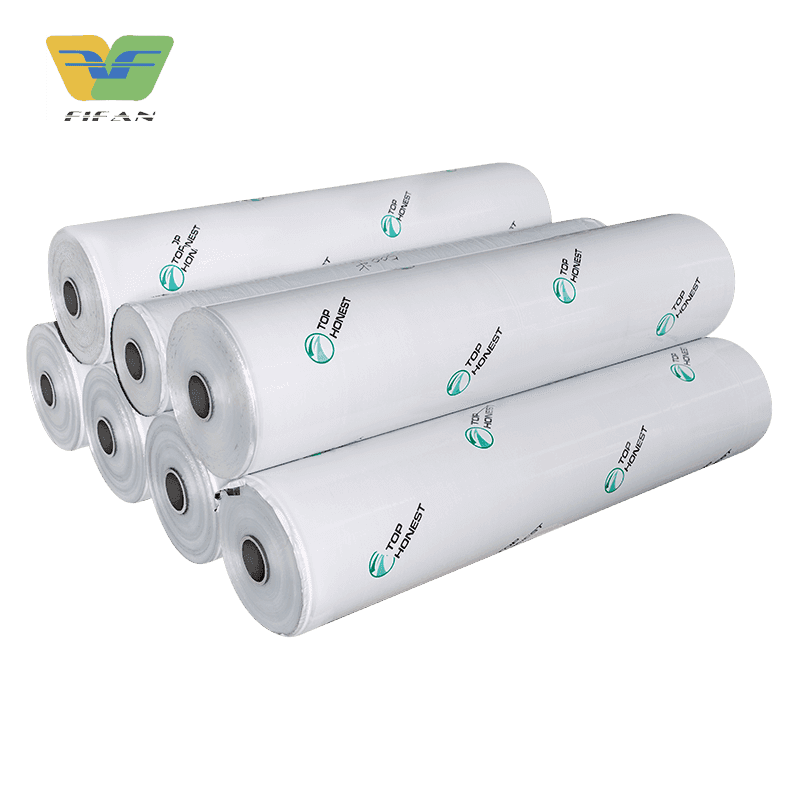 UV-Resistant PE Film for Windows and DoorsThis UV-resistant PE film safeguards window and door units from cement splashes, paint overspray, and scratches, maintaining a clean peel even after extended outdoor exposure.View Product →
For window and door profiles, the film has to survive building-site conditions. A UV-resistant film maintains clean peel even after weeks on the face of a sun-lit frame.
Field observation: a standard 50 µm LDPE film on brown UV-coated profiles showed about 42% adhesion growth after 21 days of outdoor exposure. A UV-stabilized film peeled residue-free at 60 days.
What a Qualified Supplier Must Control in PE Protective Film
A qualified PE protective film manufacturer controls four variables that never appear on a data sheet: cleanroom condition, adhesive coating uniformity, resin consistency, and slitting edge quality.
- Cleanroom condition: dust and lint can transfer from the film to the profile surface, creating defects on high-gloss profiles.
- Adhesive coating uniformity: uneven adhesive deposition causes edge lifting and banded residue on the profile.
- Resin consistency: melt flow index variation changes the film stiffness and adhesion behavior between batches.
- Slitting and edge quality: a rough cut edge scores the profile during unwinding, creating a permanent mark.
These variables define batch-to-batch consistency, which is the real performance metric. A film that passes inspection on one batch and fails on the next is more expensive than a film with a narrower spec that always passes.
PE protective film for extrusion profiles is a temporary surface shield that must deliver three results: sufficient adhesion during processing, clean peel after dwell, and no transferred residue on the finished profile.
Read more about avoiding common purchasing pitfalls in PE protective film before you specify a new supplier.
How to Qualify a PE Protective Film Manufacturer in Three Steps
The fastest way to qualify a manufacturer is to test the film on the profile you actually run and audit the line that makes the film.
- Test on your own surface. Run a tape-based adhesion check on your profile surface, not on standard stainless steel. Temperature and humidity change the result.
- Build a dwell-time matrix. Peel after 1, 7, 30, and 60 days at your normal storage conditions. Look for haze, banding, or residue transfer.
- Audit the coating and slitting line. Ask for incoming resin traceability, inline thickness measurement, and 100% final inspection records. The film you approve is the film you receive.
When you audit a manufacturer such as Zhejiang Feifan New Material Technology Co., Ltd., look for documented process control from resin to slitting. Learn how self-adhesive PE protective film protects industrial surfaces when you compare materials across your profile lines.
Frequently Asked Questions
What peel strength should I use for an anodized aluminum profile?
Use the lowest tack that will not lift during your specific fabrication steps. For mirror anodized profiles that are only transported, a range of 80-150 g/25mm is typical. If you route or bend, step up to a medium-tack film and verify clean removal at your dwell time.
Can one PE protective film be used for all extrusion profiles?
No. Surface finish, downstream fabrication, dwell time, and UV exposure change the required adhesion and formulation. A single film is a compromise that usually costs more in rejects than the saved film price.
How long can a film stay on a profile before residue appears?
It depends on adhesion level, temperature, and UV load. A standard medium-tack film on a powder-coated profile typically needs removal within 30 days. With UV-stabilized film, residue-free dwell can exceed 60 days.
Does a higher adhesion film always protect better?
No. High adhesion protects during mechanical work, but it raises residue risk if the dwell time is long. The correct choice is the adhesion that balances process security and clean peel.
Your email address will not be published. Required fields are marked *
-
-
-
-
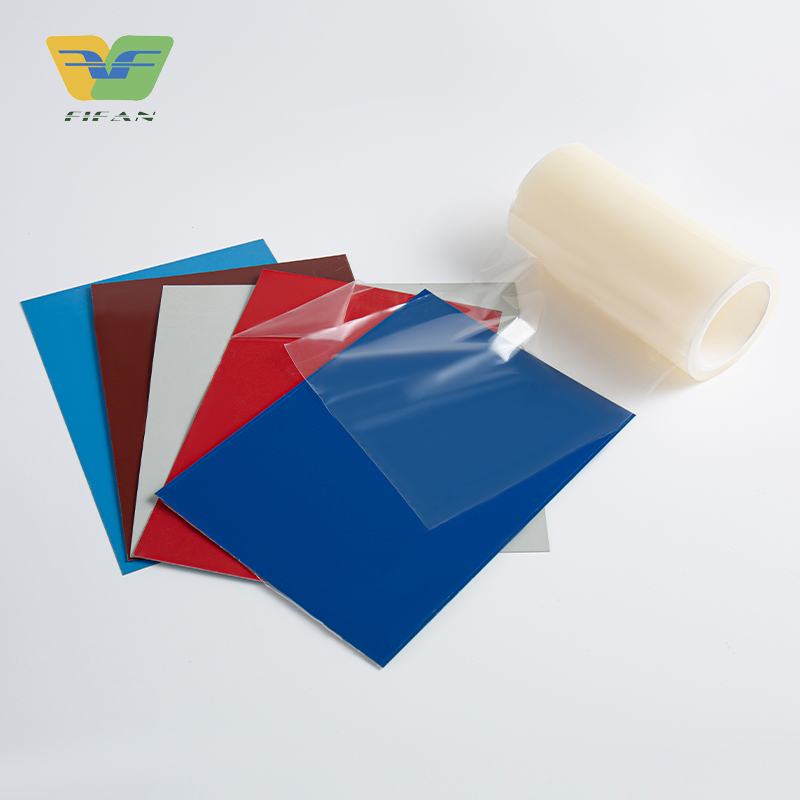
Construction Material PE Protective Film UV-Resistant & Anti-Aging PE Protective Film for Color Coated Steel Plates View More
-
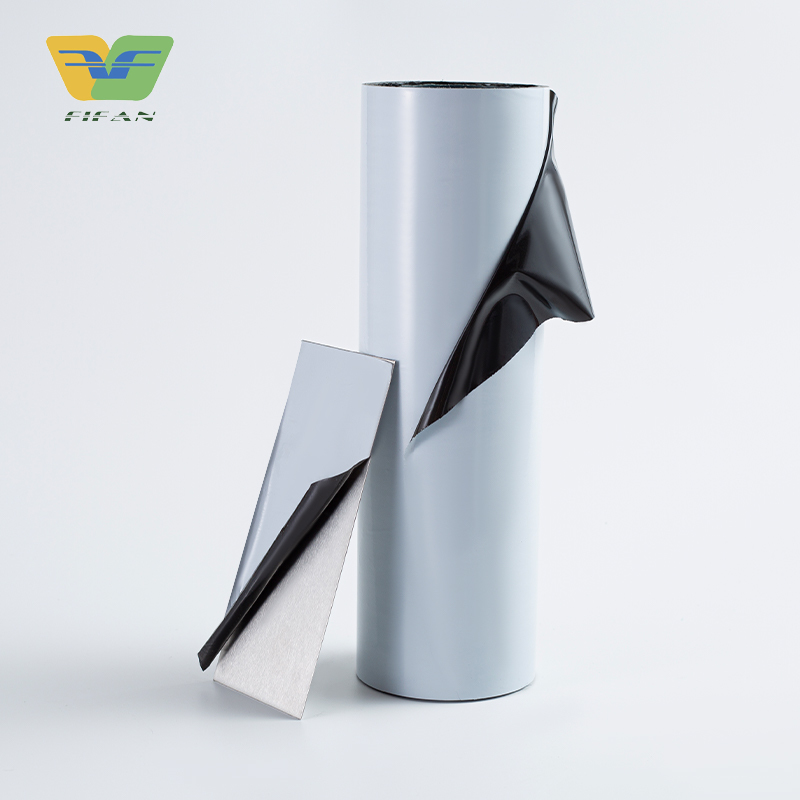
Construction Material PE Protective Film Heavy-Duty Anti-Scratch PE Protective Film for Stainless Steel View More
-

Address: No. 1588 Gan Dong Road, Zhongguan Town, Deqing County, Huzhou City, Zhejiang Province, China
TEL: +86-572-8498038 / +86-15067289913
E-mail: [email protected]
Mobile
WhatsApp

Copyright © Zhejiang Feifan New Material Technology Co., Ltd. All Rights Reserved
