
- Product
-
Our Story
Why Choose Us?We are a national high-tech enterprise and a provincial "Specialized and Refined" SME, focusing on the R&D, production, and sales of PE protective film. As a leader in the industry, we are committed to serving global customers with innovative technology and have won wide recognition in the market.
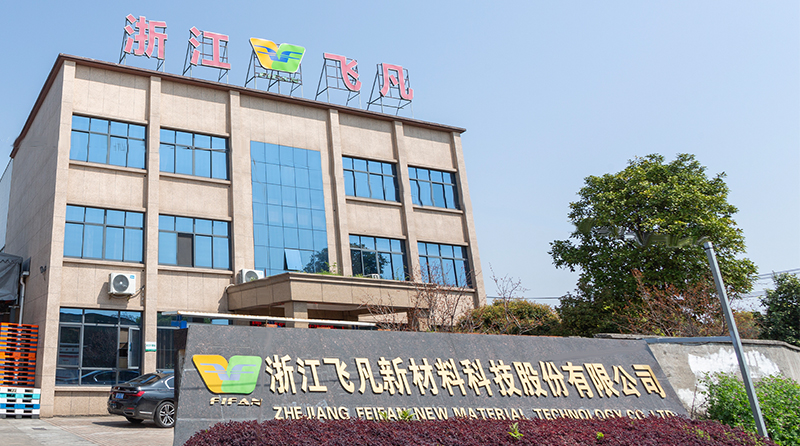 Coming From China, Marketing To The World.
 -
News
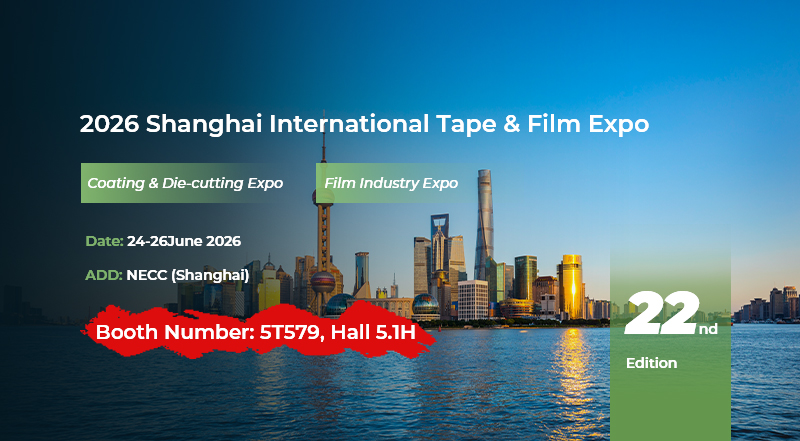 Feifan was invited to participate in the 2026 Shanghai International Tape and Film Exhibition
Dear Valued Customer / Partner, We are pleased to announce that our company will be exhibiting at APFE 2026 – the 22nd Shanghai International Adhesive Tape & Film Expo (Coating & Laminating E...
 English
 русский
 عربى
عربىNatural Glues Explained: Animal vs Petroleum Sources in Protective Film Adhesives
Content
- 1 Natural Glues Come From Animal or Petroleum Substances: What This Means
- 2 Why Petroleum-Based Adhesives Dominate Industrial Protective Film
- 3 How to Specify PE Protective Film When Adhesive Chemistry Decides Quality
- 4 How Zhejiang Feifan New Material Controls Adhesive Residue
- 5 FAQ: Natural Glues and PE Protective Film Adhesives
At a stainless steel fabricating site, fifteen sheets out of a hundred peeled back with sticky contamination on the mirror finish. The film supplier blamed the adhesive, the production manager blamed the supplier, and the batch went to rework. This pattern is common enough to be a specification issue, not an exception. Natural glues come from animal or petroleum substances, and that separation of origin determines tack stability, water resistance, and whether a protective film leaves residue after weeks on finished metal. The glue layer is the least visible part of a PE protective film, and the most consequential.
Natural Glues Come From Animal or Petroleum Substances: What This Means
Natural glues come from animal or petroleum substances; animal sources supply gelatin, casein, and collagen-based adhesives, while petroleum sources produce the synthetic rubber and acrylic polymers that power modern pressure-sensitive adhesives.
Animal glues have narrow industrial utility
Hide glue, bone glue, and casein made from milk protein have bonded wood, paper, and leather for centuries. They are still used in bookbinding, restoration, and specialized woodworking, where high solids content and heat-assisted bonding matter more than production speed. The limitation is structural. Animal glues are hydrophilic. In humid plants they swell, lose tack, and can cross-link into an insoluble film on the substrate. Production managers in surface-critical industries rarely encounter these glues today, because the performance gap becomes obvious in the first humidity cycle.
Petroleum-derived adhesives are engineered for the production line
Crude oil fractions are polymerized into styrene-butadiene rubber (SBR), polyacrylates, and hot-melt polyolefins. These systems are formulated with precise crosslinking, controlled tack, and ultraviolet stabilizers. For pressure-sensitive adhesive (PSA) applications, petroleum-based systems dominate because they hold tack across temperature cycles and can be tuned for clean release. For a film manufacturer, the advantage is not just chemistry. It is the repeatability that lets a buyer trust a 50-micron roll today as much as the batch received six months ago.
| Characteristic | Animal Glues | Petroleum-Based Adhesives |
| Water resistance | Poor; swells in humidity | Excellent; stable formulation |
| UV stability | Degrades quickly | Resistant with additives |
| Residue behavior | Often leaves film | Tunable to zero-residue |
| Production consistency | Batch variability | Mass-produced to spec |
| Industrial application share | Below 5% | Above 90% |
Why Petroleum-Based Adhesives Dominate Industrial Protective Film
Petroleum-derived adhesives displaced animal glues in PE protective film because they deliver consistent tack over months of storage, resist thermal cycling, and can be formulated to leave zero residue.
The shift has been decisive. Acrylic and rubber-based adhesives, both petroleum-derived, cover nearly the entire market for PE protective films used on stainless steel, aluminum panels, home appliances, injection-molded parts, and glass. Animal glues are unsuited to these applications for a structural reason. They need heat to bond and moisture to release. A production line that cannot apply heat cannot activate a hide glue, and a film that requires moisture to release would fail in dry climates and sealed containers.
When an incompatible adhesive reaches the process, the consequence appears on the product. A 50-micron PE film with an over-aggressive acrylic layer can leave a ghost pattern on polished aluminum after a summer shipment in a sealed container. Film suppliers who publish peel values and residue test data remove that risk at the specification stage.
One common misconception is that a natural glue is automatically safer for the surface. Animal glues are eventually biodegradable, but that does not translate into clean removal from polished steel. The proteinaceous residue left by hide glue is hard to detect and harder to remove with standard solvents.
How to Specify PE Protective Film When Adhesive Chemistry Decides Quality
To avoid residue, specify PE protective film by adhesive class, documented tack range, and peel-time test results rather than by film thickness alone.
- Verify the adhesive type. Ask for the base polymer. A petroleum-derived acrylic or rubber adhesive with published peel values is easier to validate than a proprietary blend with no data.
- Demand residue data. Request peel results at 24 hours, 7 days, and 30 days. A film can pass a 7-day check and still fail after a 30-day transit in summer heat.
- Match tack to substrate. Stainless steel with a brushed finish tolerates a low-tack film, while mirror-polished coils need a medium tack. The wrong choice shows up as edge lift or transfer contamination.
- Check aging and UV behavior. Petroleum-based acrylics with UV stabilizers survive outdoor and high-humidity exposure. Specify a UV-stabilized film when the job involves outdoor installation.
Reviewing the pitfalls when purchasing PE protective film helps buyers catch weak adhesive specifications before they reach the production line.
On metal sheets where any solvent residue is unacceptable, a glueless surface self-adhesive PE protective film replaces the glue layer with a controlled surface energy mechanism. The film grips without a chemical adhesive layer, and it releases without leaving a film. This is especially useful for flat sheets that will be painted or bonded.
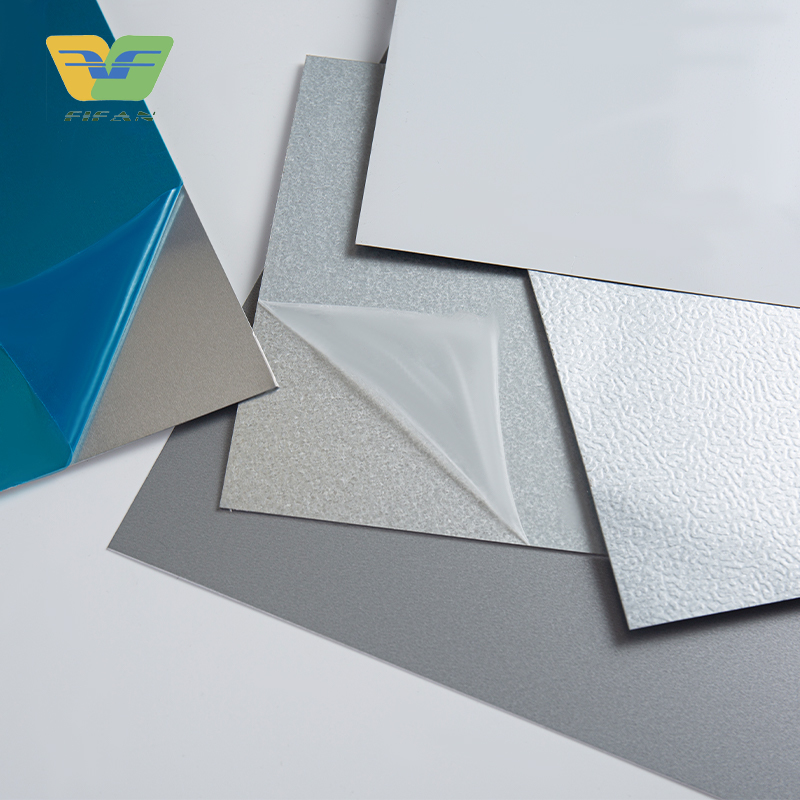 Glue-less Self-Adhesive PE Protective Film for Metal SheetsThis film uses a controlled surface energy mechanism instead of adhesive, ensuring no residue on metal sheets. Ideal for surfaces that will be painted or bonded, it provides clean release without leaving any film.View Product →
How Zhejiang Feifan New Material Controls Adhesive Residue
Zhejiang Feifan New Material Technology Co., Ltd. engineers PE protective films with verified adhesive systems across the entire production chain, from extrusion and coating to a 100% finished-product inspection.
Founded in 2003 in Deqing County, Zhejiang, the company runs a Class 10,000 cleanroom and a fully in-house process: film blowing, adhesive coating, slitting, and packaging. Annual capacity reaches 8,000 tons of PE film and 50 million square meters of PE protective film. The company validates incoming raw materials, monitors the coating process, and inspects every finished roll before batch release.
Quality control is not a final check only. The cleanroom keeps particle counts low during extrusion and coating, which matters for optical-grade surfaces such as PC panels and glass. Validation of incoming resin, continuous coating weight monitoring, and automatic slitting tension control produce rolls that behave consistently on a customer's line.
What to ask any supplier
- Adhesive raw material and origin data
- Residue test results for your exact substrate
- Tack specification in g/in width
- UV and humidity aging data
- Production batch consistency proof
What Feifan delivers
- Self-adhesive PE films for metal, injection-molded parts, appliances, PC sheets, and glass
- Anti-static and UV-stabilized functional PE films
- Heavy-duty anti-scratch PE film for stainless steel
- Glueless surface film for zero-residue protection
- Class 10,000 cleanroom and 100% finished-product inspection
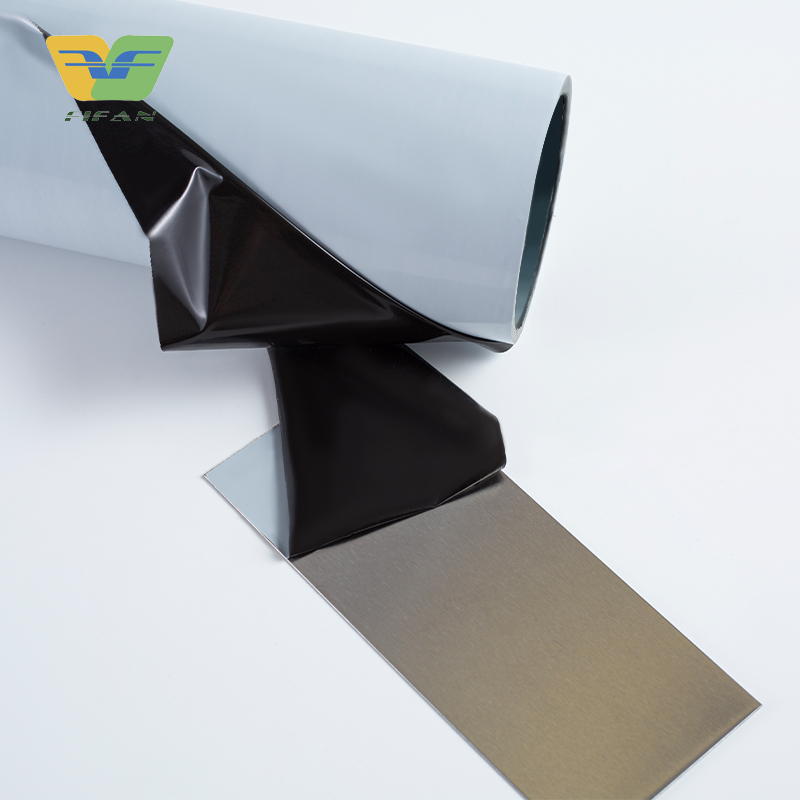 Heavy-Duty Anti-Scratch PE Protective Film for Stainless SteelEngineered with three-layer co-extrusion, this film protects stainless steel finishes from scratches and damage during handling and shipping, maintaining surface quality across the supply chain.View Product →
 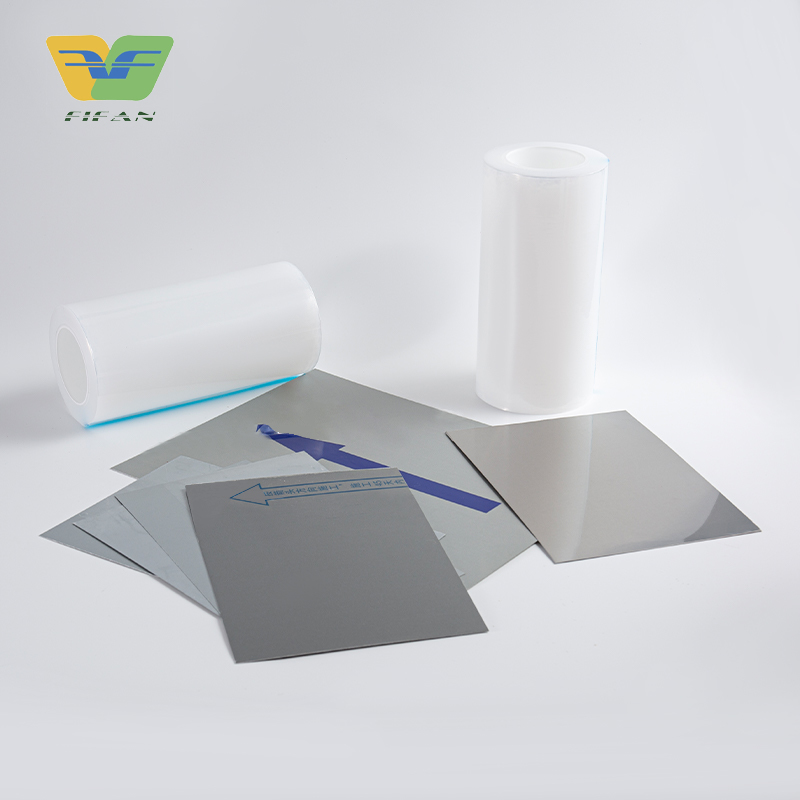 Self-Adhesive PE Protective Film for Home AppliancesCo-extruded film designed for appliance surfaces like PCM and VCM, offering residue-free protection during stamping and assembly, ensuring a clean unboxing experience for consumers.View Product →
FAQ: Natural Glues and PE Protective Film Adhesives
Are animal glues still used in industrial adhesive applications?
Yes, but only in niche segments such as bookbinding, paper restoration, and certain woodworking processes. Industrial surface protection uses petroleum-based synthetic adhesives almost exclusively because animal glues have poor humidity resistance and unpredictable residue behavior under production conditions. The reason is performance: synthetic adhesives maintain a defined peel force across temperature and humidity, while animal glues soften, swell, or dry out depending on the season.
Does a petroleum-based adhesive always leave residue on metal?
No. Petroleum-derived acrylic and rubber adhesives can be engineered for clean removal from stainless steel, aluminum, and glass. Residue appears when the adhesive chemistry is mismatched to the substrate or when the film sits in high heat and humidity beyond its specified peel window. This is why peel-window testing is part of any serious film specification.
How do I know if a PE protective film will leave residue?
Run a peel test at 24 hours, 7 days, and 30 days. Inspect the surface under raking light. If the test includes outdoor exposure or condensation, add a humidity cycle. Passing all checks means residue risk is acceptable for your application. Most film suppliers can supply test data, and if they cannot, that is a red flag.
What is a glueless PE protective film?
A glueless film uses a physical adhesion mechanism instead of a solvent-based adhesive layer. It is designed for smooth surfaces such as metal sheets, high-gloss plastic panels, and glass, where zero residue is a hard requirement. The film relies on surface tension and a clean, smooth film face rather than a tackifier resin.
Your email address will not be published. Required fields are marked *

-
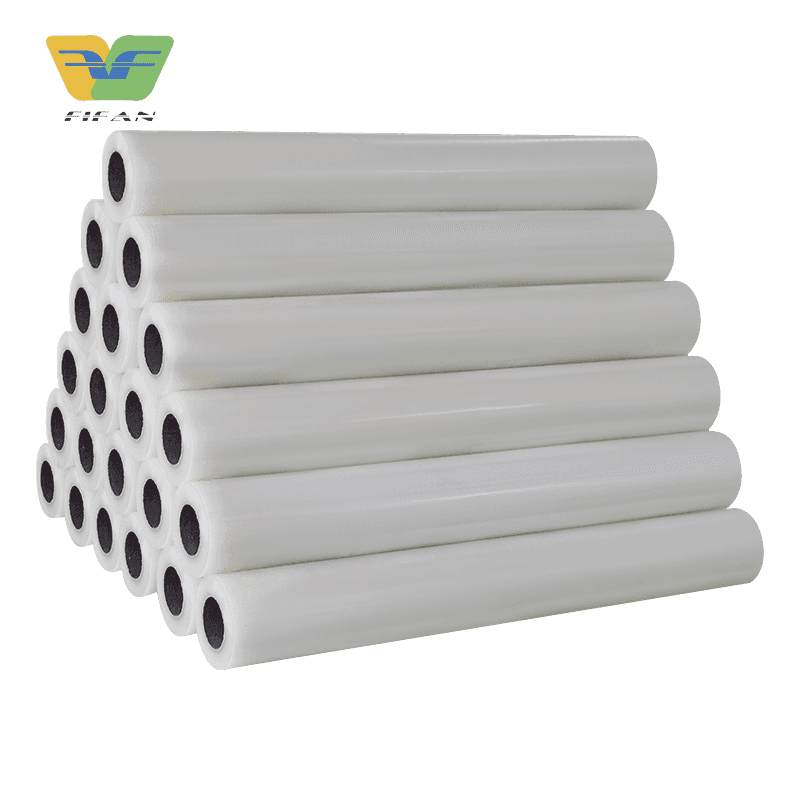
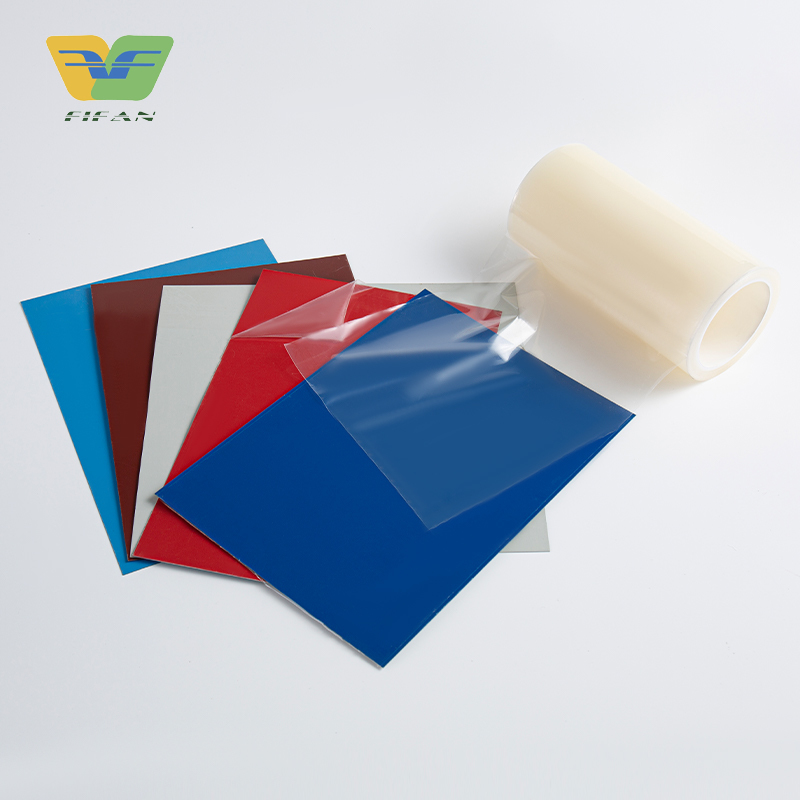
Construction Material PE Protective Film UV-Resistant & Anti-Aging PE Protective Film for Color Coated Steel Plates View More
-
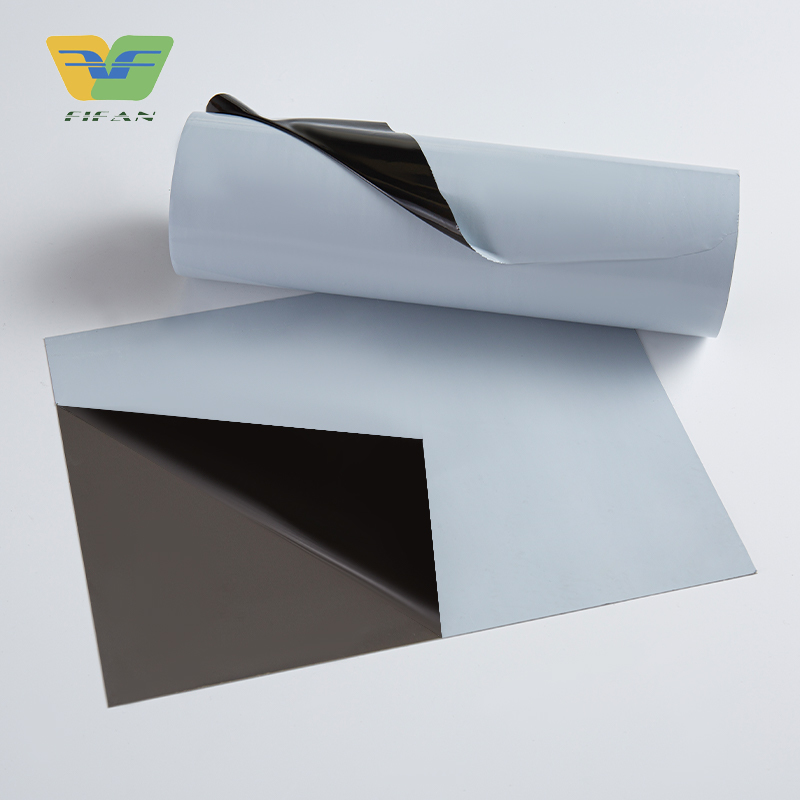
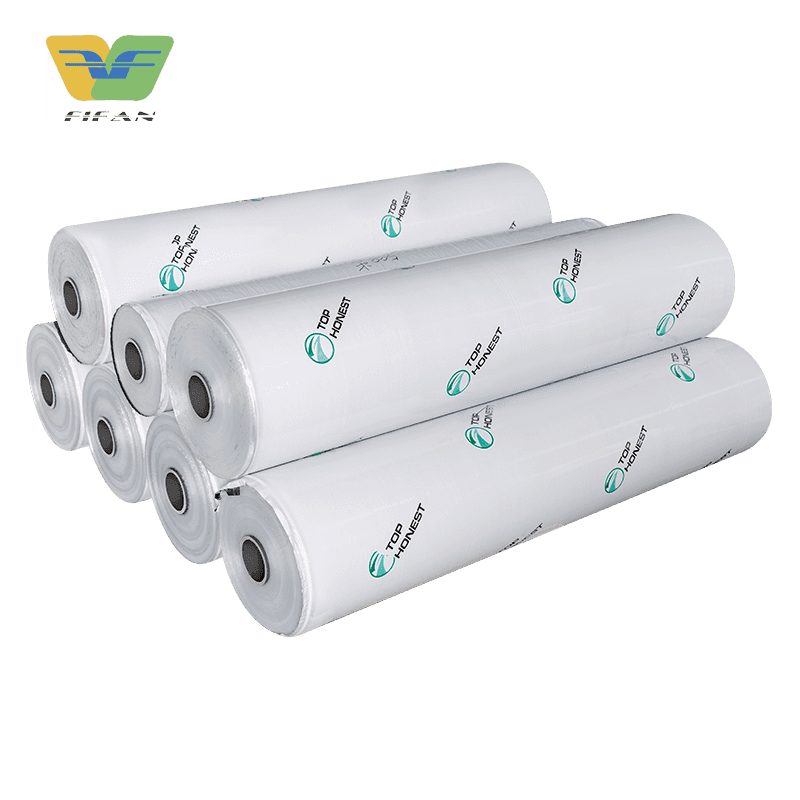
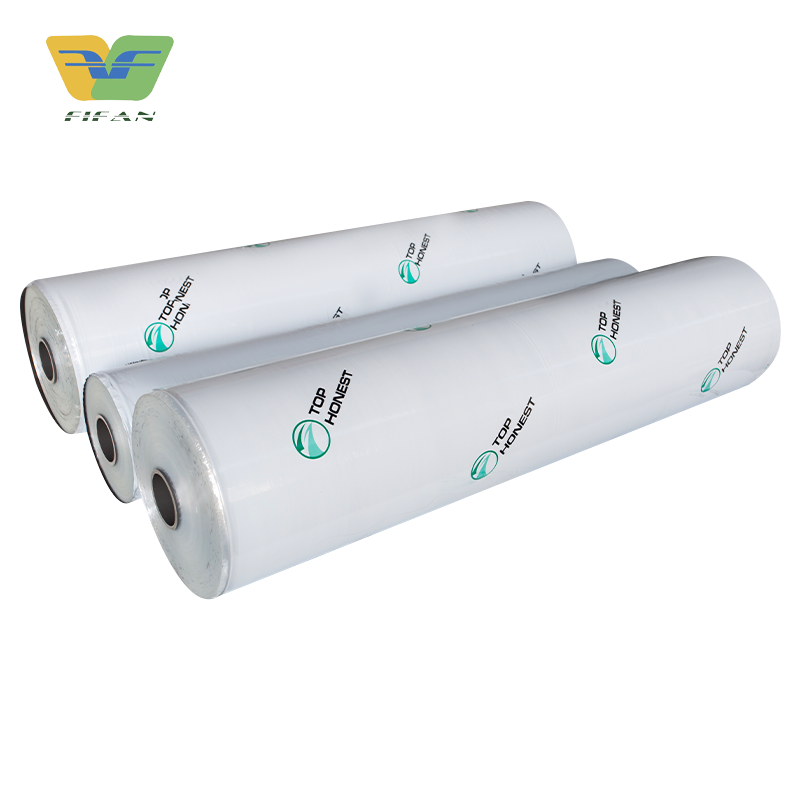
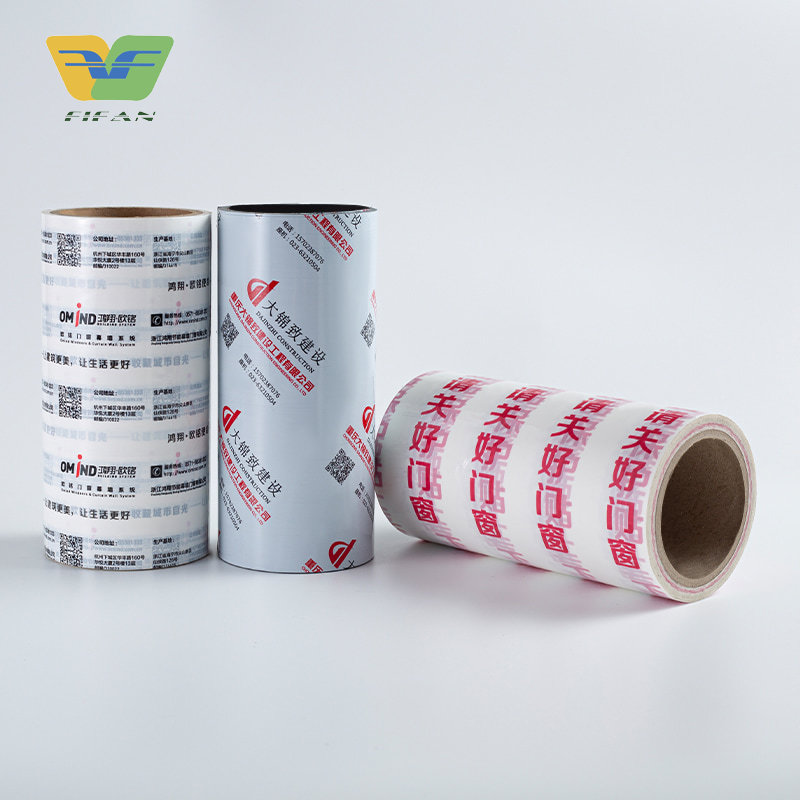
Construction Material PE Protective Film UV-Resistant PE Protective Film for Windows and Doors View More
-
-
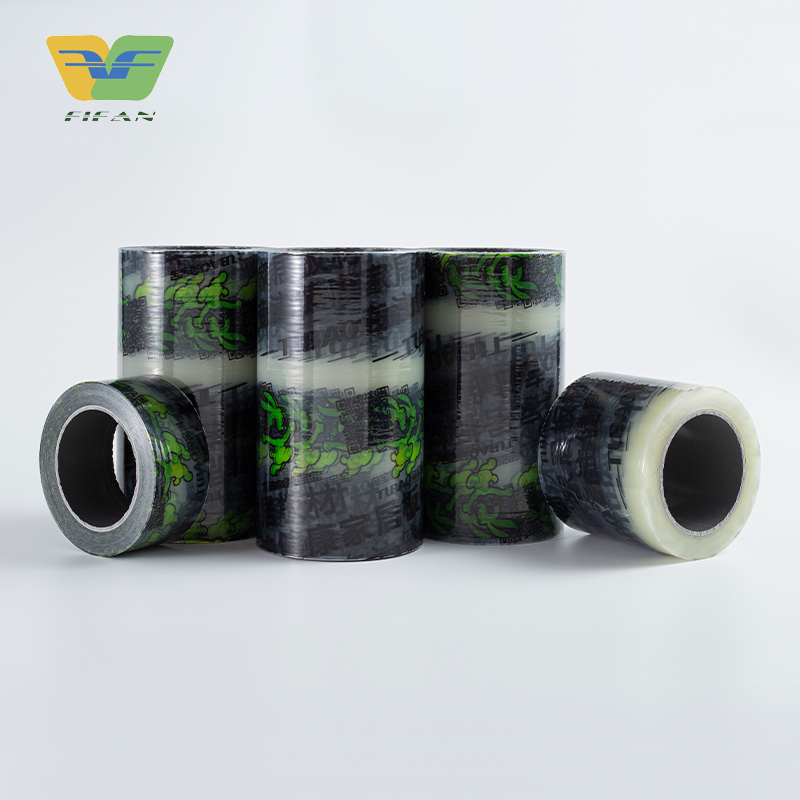
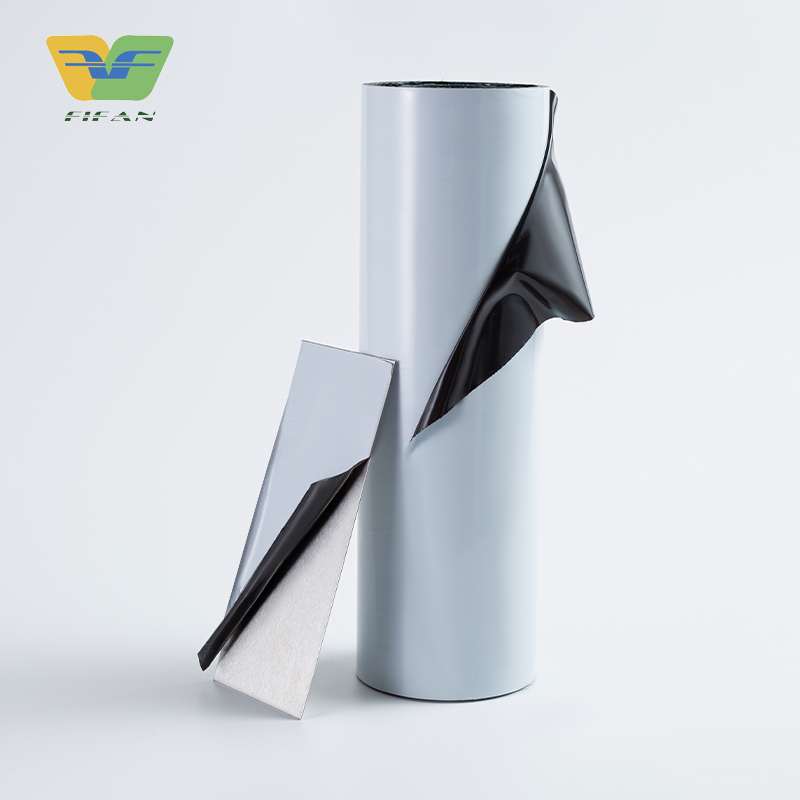
Construction Material PE Protective Film Heavy-Duty Anti-Scratch PE Protective Film for Stainless Steel View More
-
-

Address: No. 1588 Gan Dong Road, Zhongguan Town, Deqing County, Huzhou City, Zhejiang Province, China
TEL: +86-572-8498038 / +86-15067289913
E-mail: [email protected]
Mobile
WhatsApp

Copyright © Zhejiang Feifan New Material Technology Co., Ltd. All Rights Reserved
