Why Outdoor Exposure Turns Ordinary Film Into a Removal Problem
A protective film's toughest test rarely happens on the production line — it happens weeks later, when a stack of panels has sat outdoors or in an unshaded warehouse bay waiting for the next process step. UV radiation breaks down the polymer chains in standard PE film and simultaneously accelerates oxidation in the adhesive layer, and the combination is what produces the classic "baked-on" film problem: a film that no longer peels cleanly but instead tears, leaves ribbons of residue, or fuses partially to the metal surface.
This isn't just a cosmetic inconvenience. Once residue is baked onto a panel, removing it usually means solvent wiping or abrasive cleaning, both of which risk damaging the surface finish they were meant to protect in the first place. For manufacturers shipping to regions with intense solar exposure, or simply storing material outdoors longer than planned, this failure mode can turn a routine shipment into a rework backlog.
- UV-driven polymer chain scission that makes standard PE film brittle and prone to tearing
- Oxidative hardening of the adhesive layer, leading to residue that bonds rather than releases
- Increased peel force over time, sometimes strong enough to damage coated or polished finishes
Formulating Resistance Into the Film, Not Just Onto It
The most effective way to counter UV and oxidative breakdown is to build the resistance into the polymer itself during formation, which is why high-concentration UV inhibitors and antioxidants are introduced during the three-layer co-extrusion process rather than applied as a surface treatment. Distributed through the film's structure this way, the protective agents keep working even as the outer surface takes the brunt of solar exposure, instead of wearing away after the first few days outdoors.
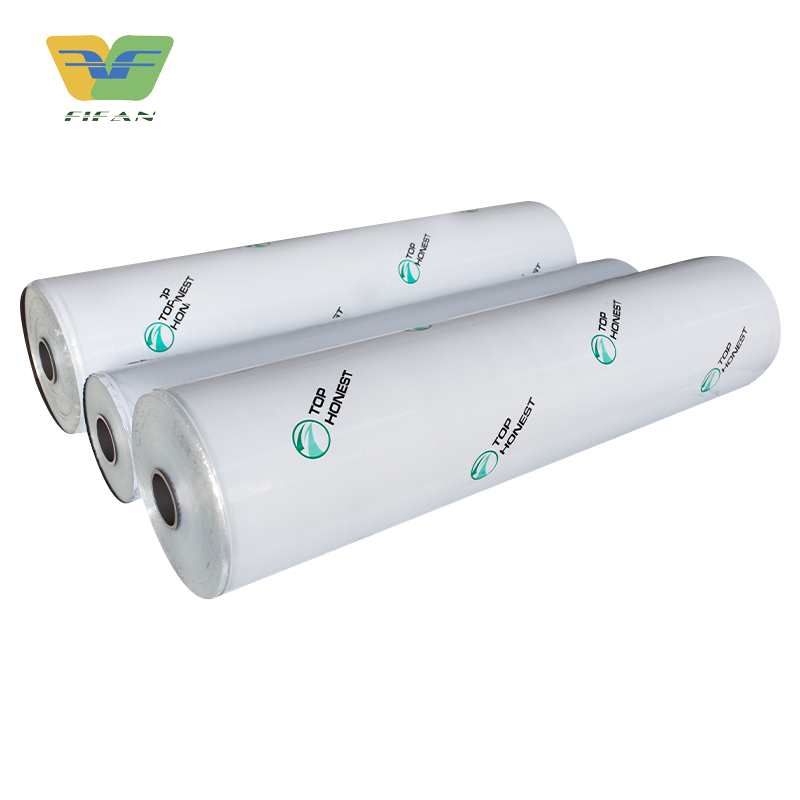
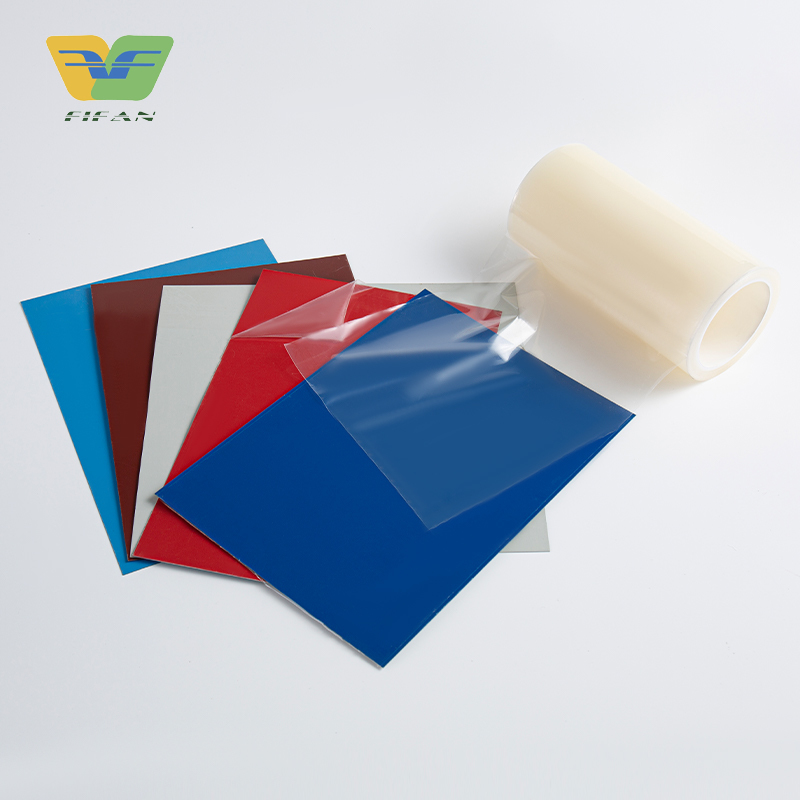
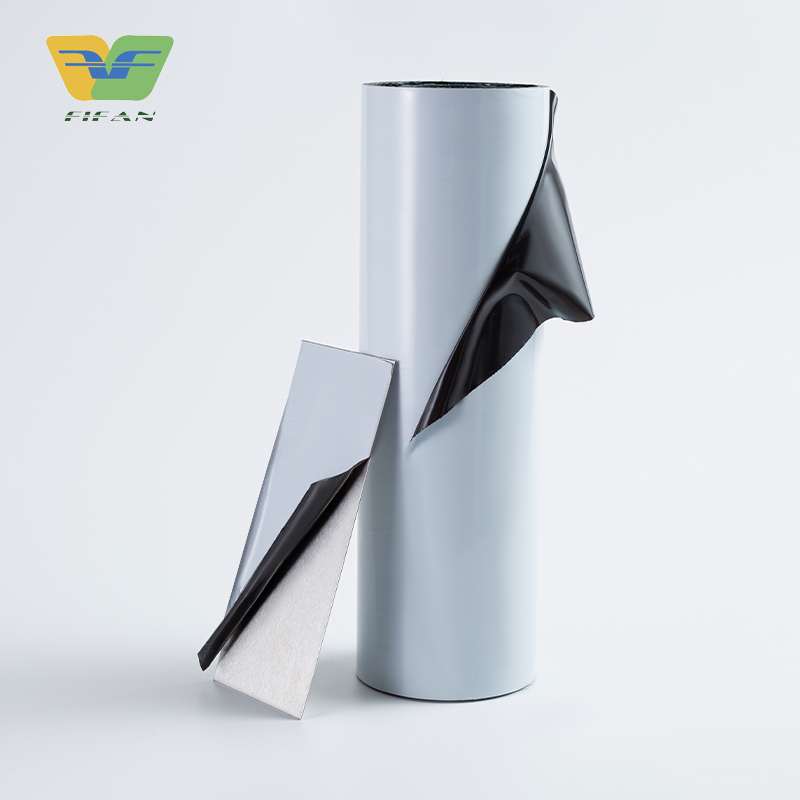
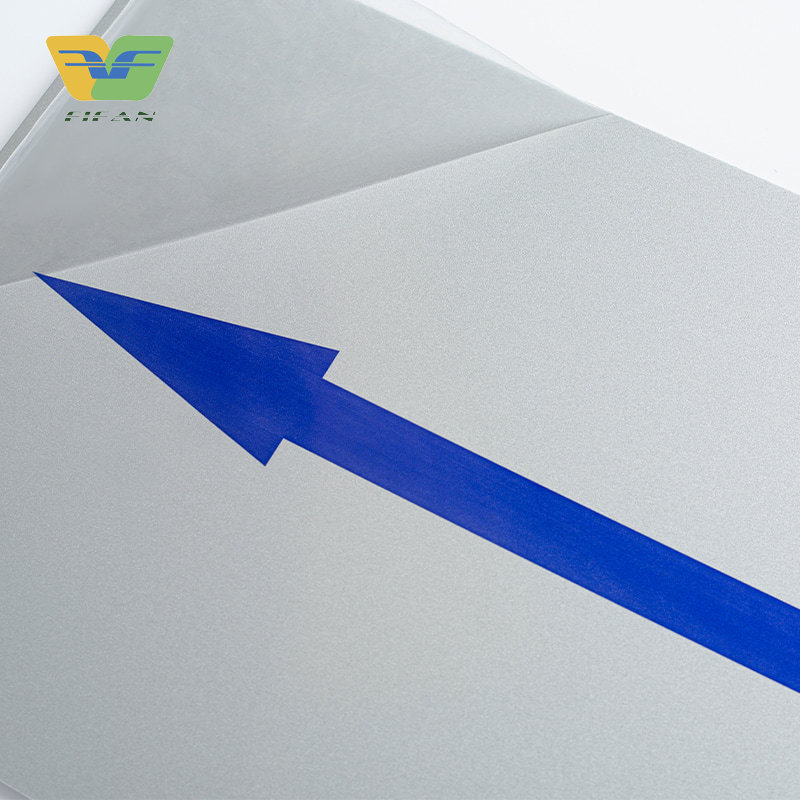
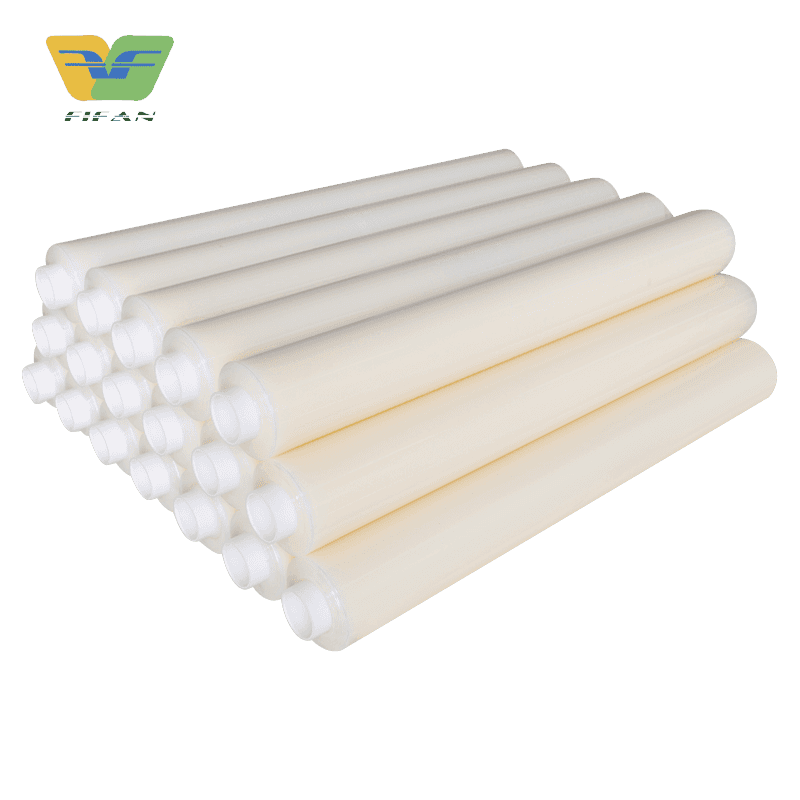
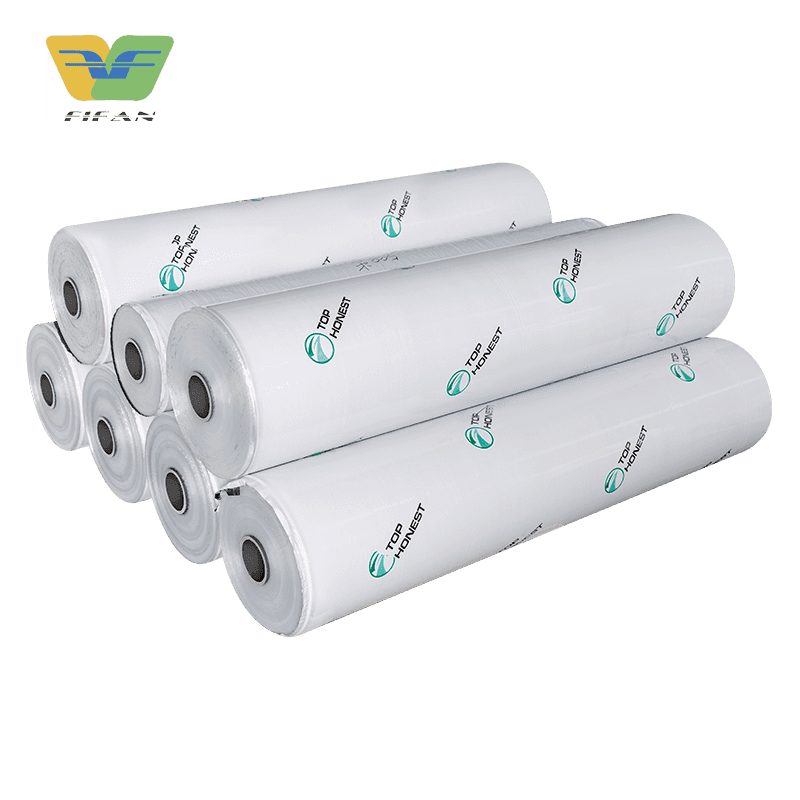
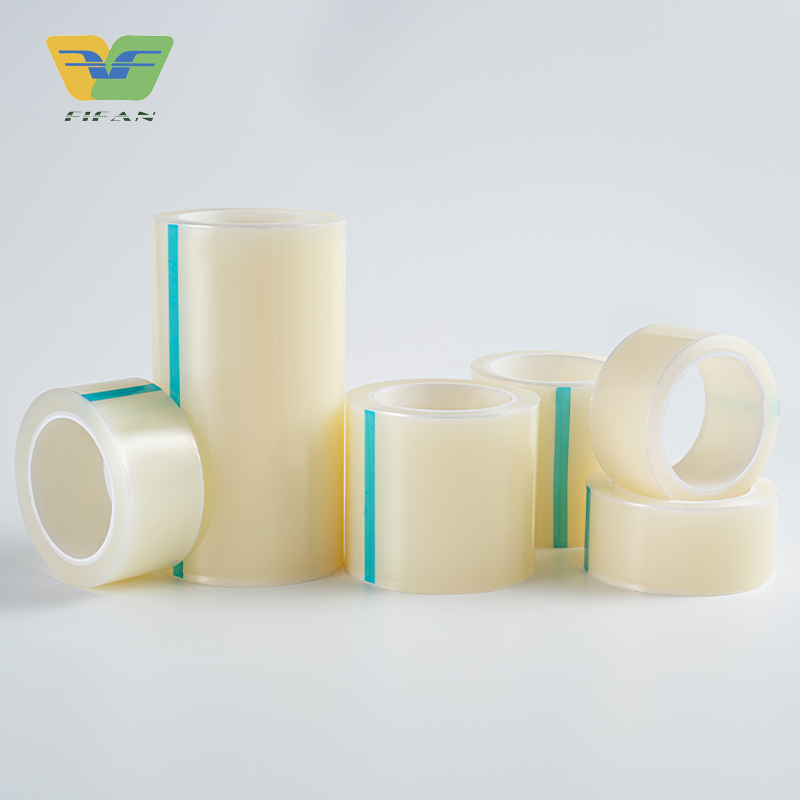
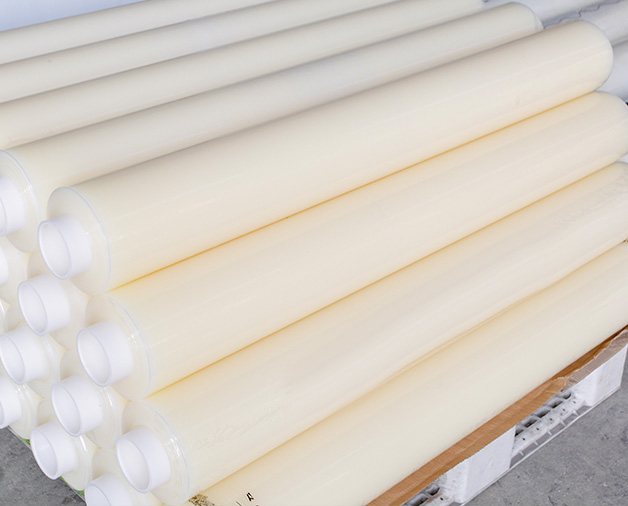
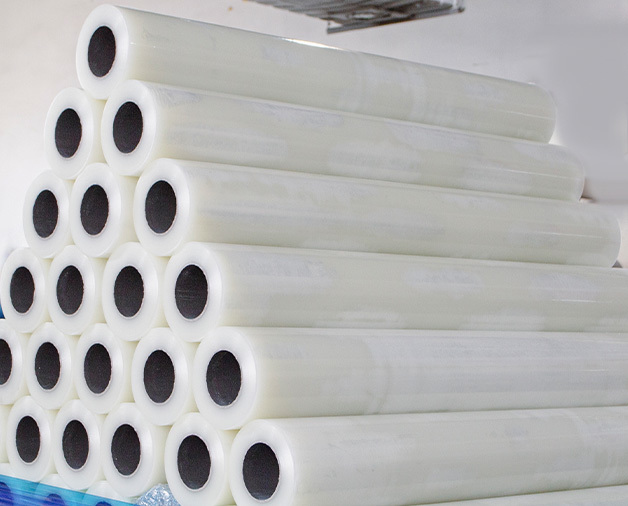
Zhejiang Feifan New Material Technology builds its UV-Stabilized Anti-Aging PE Protective Film around this same principle — pairing UV inhibitors with antioxidants so the film resists both light-driven degradation and the slower oxidative aging that continues even in shaded storage. The result is a film that holds its physical integrity and easy-peel behavior well past the point where a standard film would already be showing signs of failure.
Industries Where Extended Outdoor Exposure Is the Norm, Not the Exception
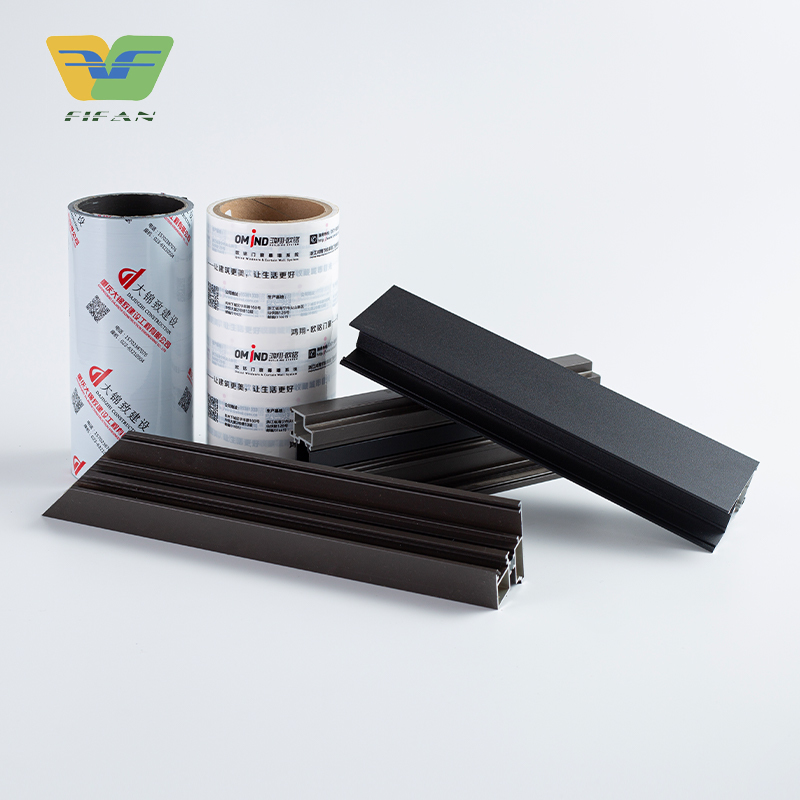
Some products simply can't avoid time in the sun. Structural and architectural metal panels often sit on open racks between fabrication and installation, sometimes for weeks. Aviation components staged outdoors during assembly face similarly harsh combinations of UV, heat cycling, and occasional rain exposure. Even appliance panels awaiting shipment can spend unplanned time in a non-climate-controlled yard or container, especially during peak shipping seasons when warehouse space is tight.
Producing 8,000 tons of PE film and 50 million square meters of protective film annually across appliances, stainless steel, and aviation-adjacent applications, Feifan sees this range of exposure conditions across a wide customer base, from OEMs with tightly controlled indoor logistics to fabricators whose materials routinely sit outside between processing stages.
| Storage Condition |
Risk to Standard PE Film |
| Open-rack outdoor storage, direct sunlight |
Rapid UV degradation, brittle film within days |
| Shaded yard or container storage |
Slower oxidative aging, residue after weeks |
| High-heat regional climates |
Accelerated adhesive hardening, "baked-on" residue |
How different storage conditions accelerate degradation in standard, non-stabilized PE protective film.
What to Verify Before Trusting a Film's UV Rating
A UV-resistance claim on a datasheet is only useful if it's backed by real accelerated-aging data, ideally expressed as a number of days or weeks of outdoor exposure the film can withstand before peel force and residue levels move outside acceptable limits. Buyers should ask whether that figure comes from actual outdoor weathering tests or purely from lab-simulated UV chambers, since the two don't always correlate perfectly, especially in regions with unusually intense solar radiation or high ambient heat.
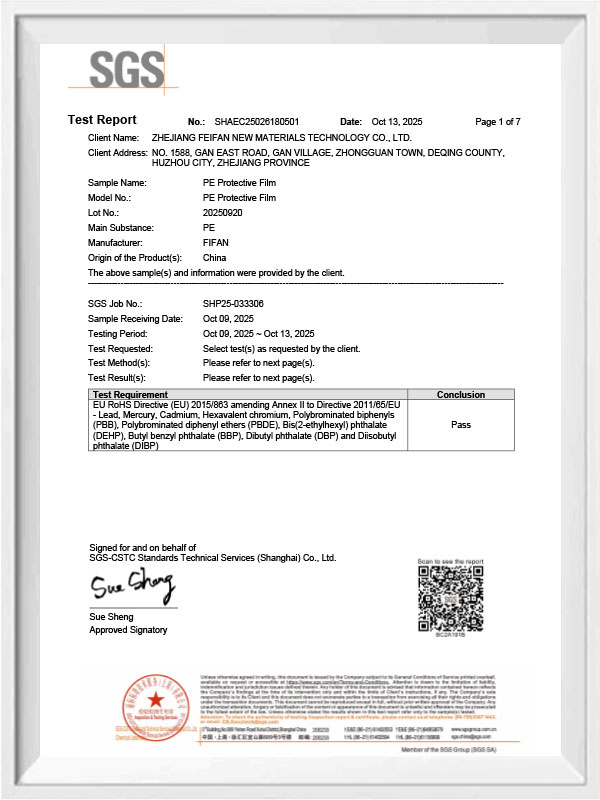
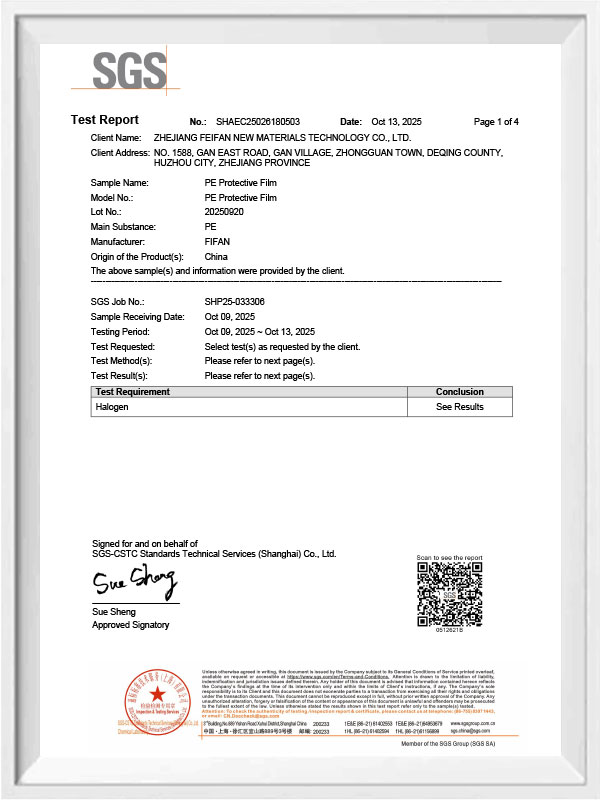
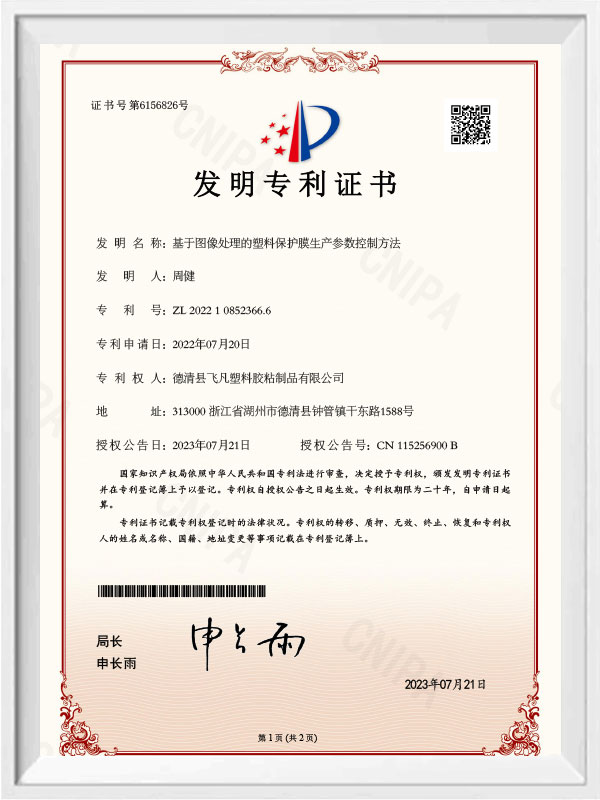
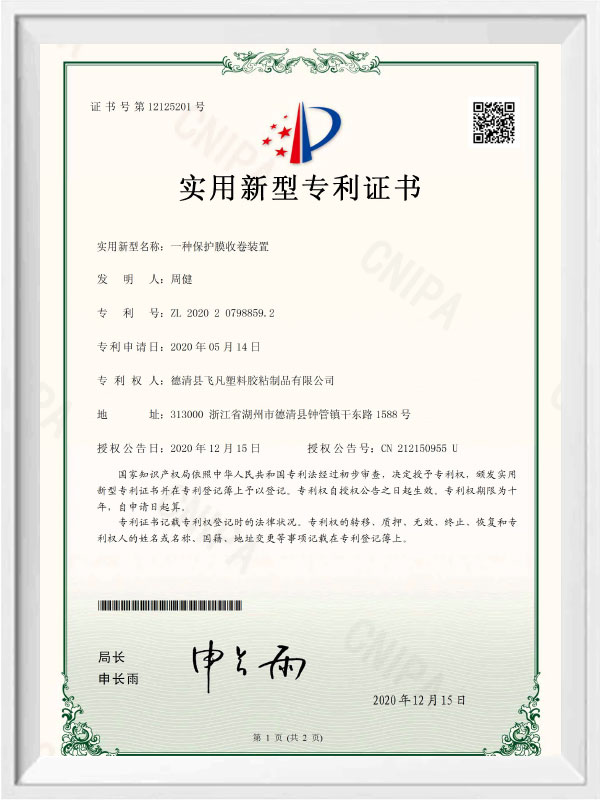
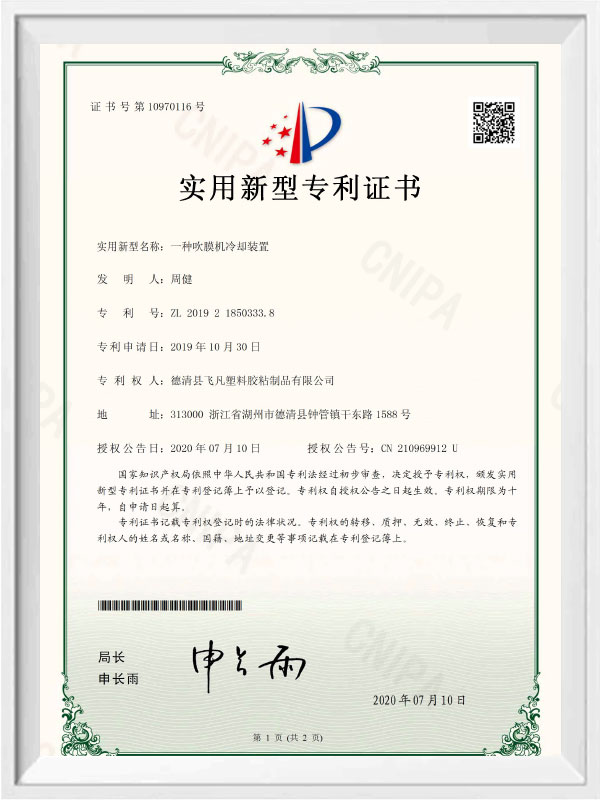
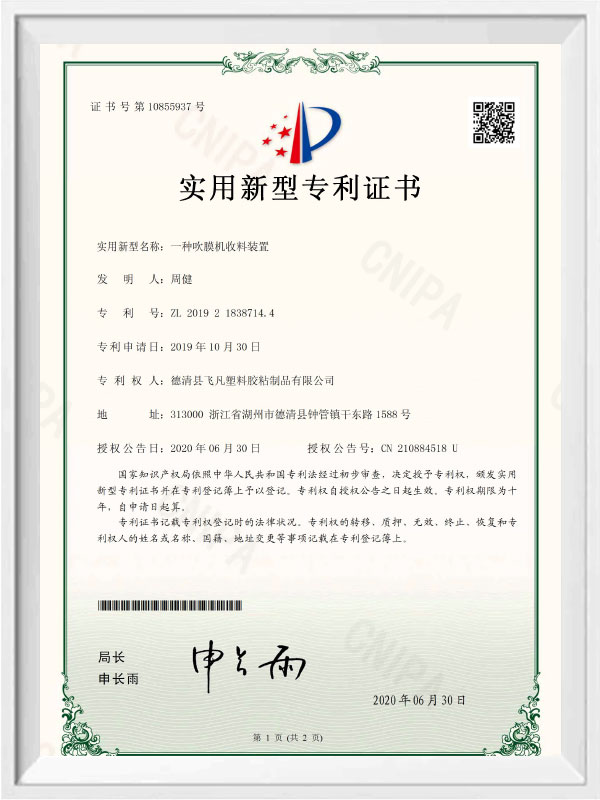
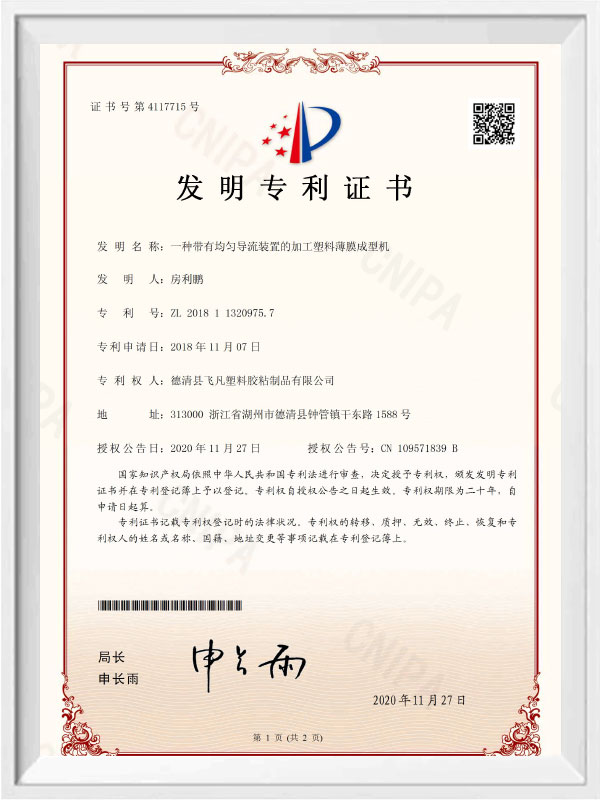
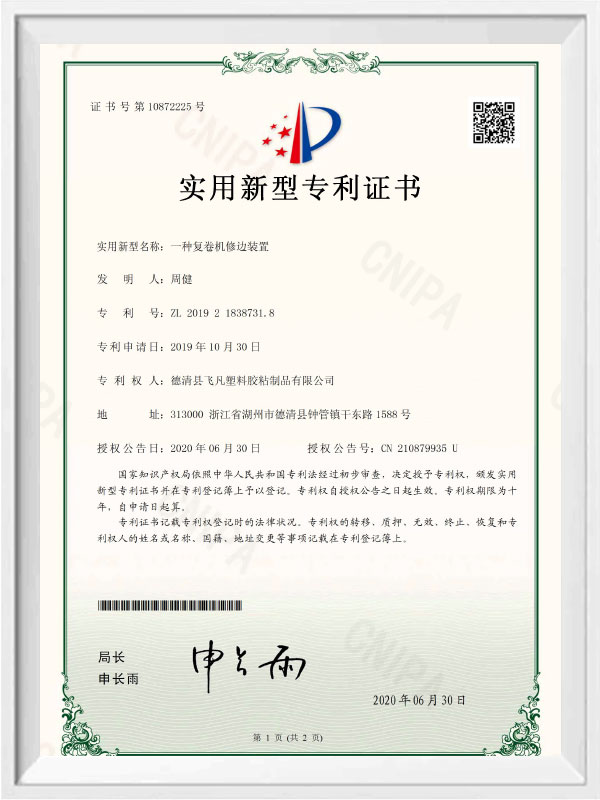
With a municipal R&D center and a portfolio that includes multiple invention and utility model patents, we treat this kind of long-exposure validation as a standard part of qualifying a formulation, not an afterthought added once a customer asks. That's the level of testing behind Zhejiang Feifan New Material Technology's claims around extended outdoor performance.
Matching Anti-Aging Performance to Your Actual Exposure Window
Not every application needs the same level of UV stabilization, and over-specifying can add unnecessary cost. A part that moves through a fully indoor, climate-controlled process from fabrication to final assembly has very different requirements than one that spends its transit time on an open truck bed or an uncovered dock. Being clear with a supplier about realistic worst-case exposure — total days outdoors, expected temperature range, and regional UV intensity — makes it much easier to land on a formulation that's neither underprotected nor unnecessarily expensive.
Our UV-Stabilized Anti-Aging PE Protective Film is designed with that flexibility in mind, giving buyers a stable, easy-peel option for the harsher end of that exposure range without having to over-engineer protection for parts that never see the sun at all.

 English
 русский
 عربى
عربى