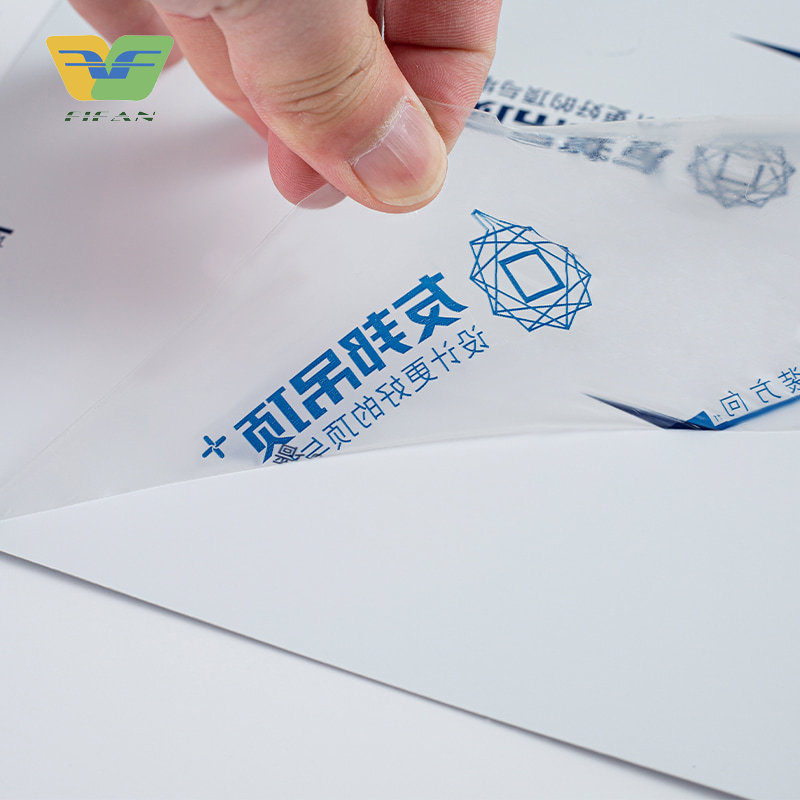
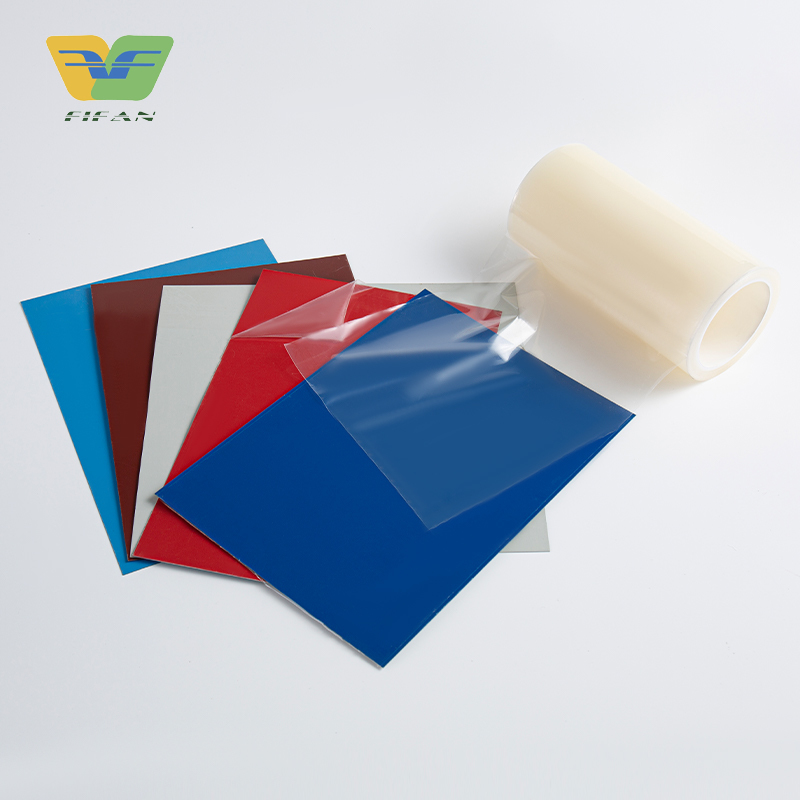
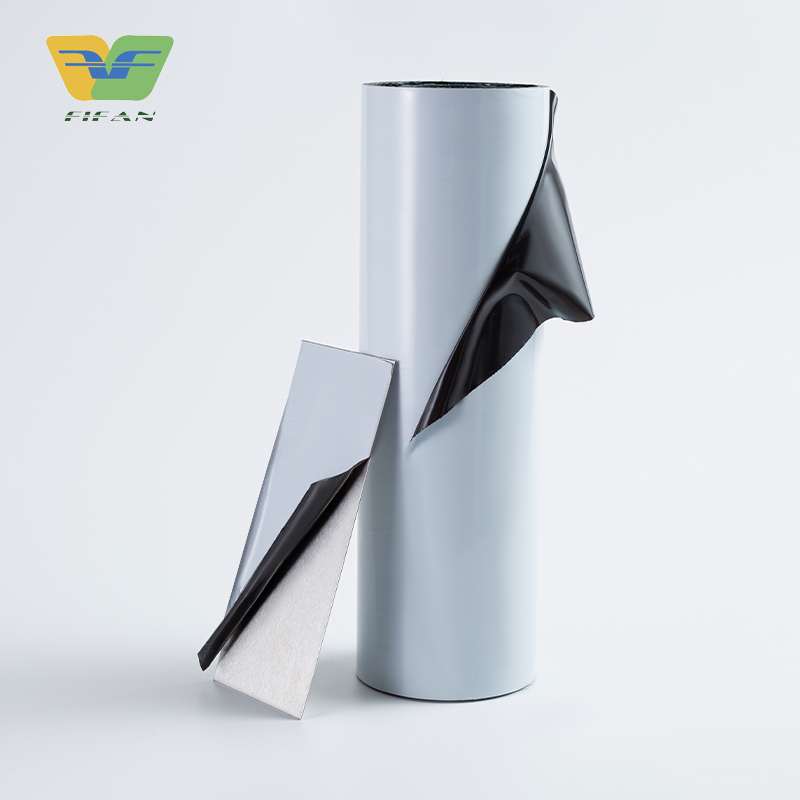
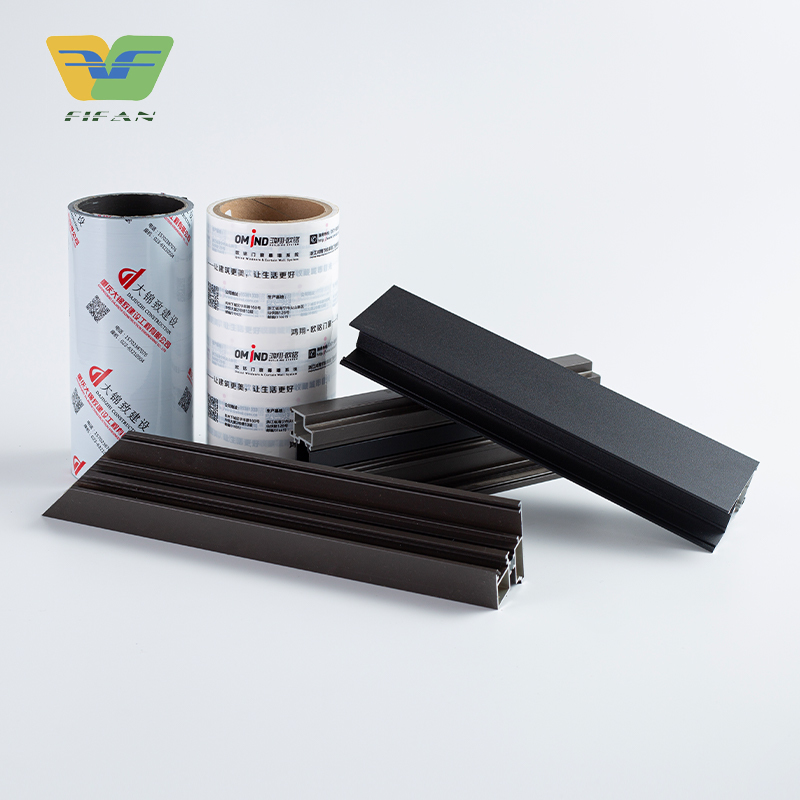
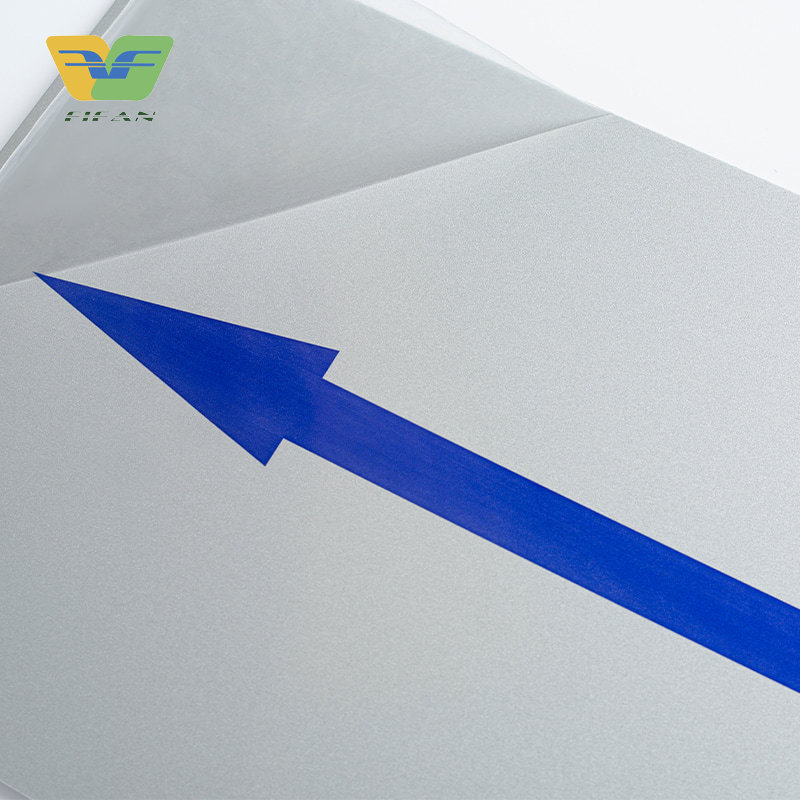
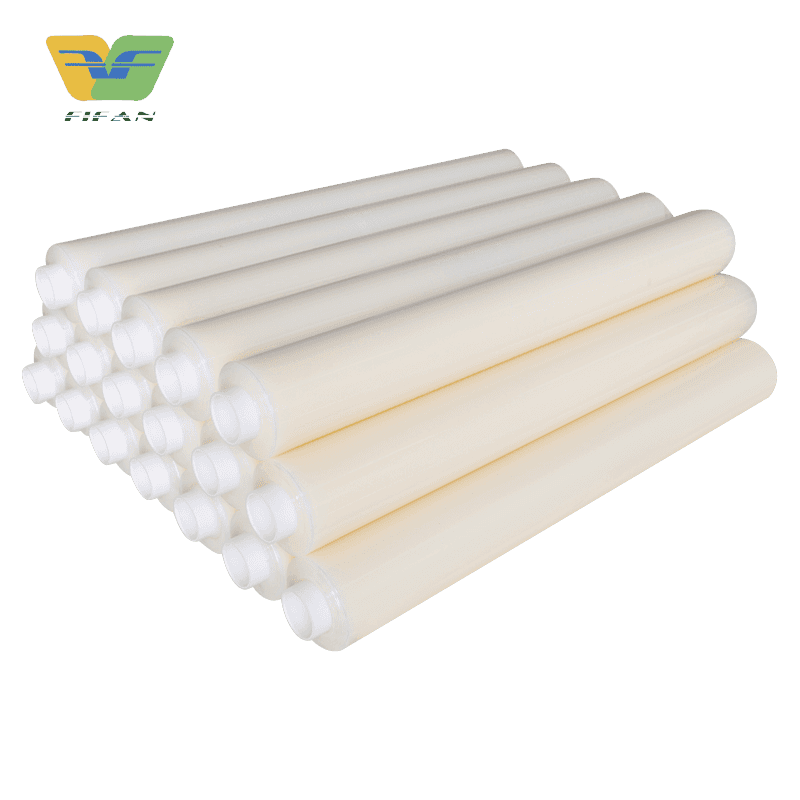
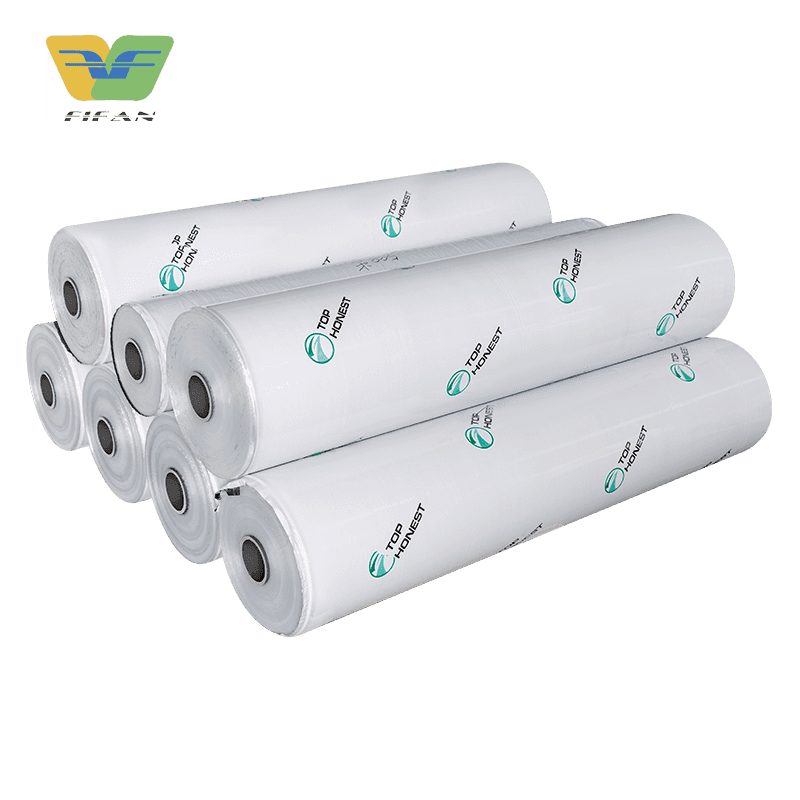
High-Tack PE Protection Film for Architectural Aluminum Panels Industry knowledge
How Does High-Tack PE Film Perform on Textured, Embossed, or Anodized Aluminum Surfaces?
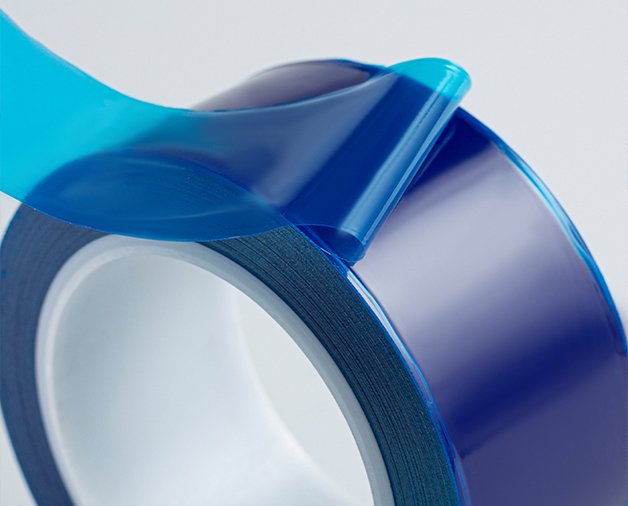
High-tack PE protective film performs differently across various aluminum surface finishes. Textured, embossed, and anodized surfaces each present unique challenges: reduced contact area, increased surface roughness, and varying surface energy. High-tack adhesives are specifically designed to overcome these challenges by providing stronger initial grab and sustained holding power.
Performance Comparison by Surface Type
- Textured Aluminum: High-tack film (280-350 cN/20mm) maintains secure adhesion despite reduced surface contact (only 60-70% actual contact area). The adhesive flows into micro-valleys to maximize bonding. Requires careful application pressure to achieve full wet-out.
- Embossed Aluminum: High-tack film (300-380 cN/20mm) performs best with rubber-based or modified acrylic adhesives that conform to raised patterns. Thicker films (80-100 μm) bridge peaks and valleys without lifting at edges. Anti-ghosting properties prevent pattern transfer.
- Anodized Aluminum: High-tack film (250-320 cN/20mm) requires acrylic-based adhesives to bond with the hard, porous anodic layer. Anodized surfaces have higher surface energy (45-50 mN/m) but also higher microscopic roughness. Adhesive selection must balance tack with clean removability to avoid damaging the anodic coating.
Key Performance Parameters
- Adhesion Range (Textured): 280-350 cN/20mm — sufficient for rough surfaces, requires higher initial tack for immediate hold
- Adhesion Range (Embossed): 300-380 cN/20mm — highest tack level to maintain contact on non-flat surfaces
- Adhesion Range (Anodized): 250-320 cN/20mm — balanced for strong bond plus clean removal
- Film Thickness Recommendation: Textured: 70-90 μm | Embossed: 80-100 μm | Anodized: 60-80 μm
- Conformability Rating: Textured: Good | Embossed: Excellent (with rubber-based) | Anodized: Moderate (acrylic-based stiffer)
- Recommended Adhesive Type: Textured: Modified acrylic | Embossed: Rubber-based or modified acrylic | Anodized: Pure acrylic
- Maximum Safe Application Time: Textured: 9 months | Embossed: 6 months | Anodized: 12 months
- Temperature Resistance: Textured: up to 70°C | Embossed: up to 65°C | Anodized: up to 80°C
- Residue Risk Level: Textured: Medium (increased contact pressure may cause residue) | Embossed: Low (with proper formulation) | Anodized: Low (acrylic adhesive stable)
How Zhejiang Feifan New Material Technology Co., Ltd. Optimizes High-Tack Performance
At Zhejiang Feifan New Material Technology Co., Ltd., we have over 20 years of experience formulating high-tack adhesives for demanding aluminum surfaces. Here's our approach:
1. Surface-Specific Adhesive Engineering
We understand that textured surfaces require higher initial tack (up to 350 cN/20mm) to achieve immediate wet-out, while embossed surfaces demand flexible adhesive systems that can conform without creating air pockets. For anodized aluminum, our acrylic adhesives are engineered to bond with the micro-porous anodic layer without penetrating too deeply, ensuring clean removal even after extended application periods.
2. Coating Precision
Our centralized feeding system and advanced coating equipment apply adhesive with ±5% uniformity across the entire film width. This precision is critical for high-tack films — inconsistent coating leads to weak spots on textured surfaces or excessive adhesion on embossed peaks. Our in-house process control, from blowing to slitting and packaging, ensures every roll meets our strict quality standards.
3. Real-World Testing
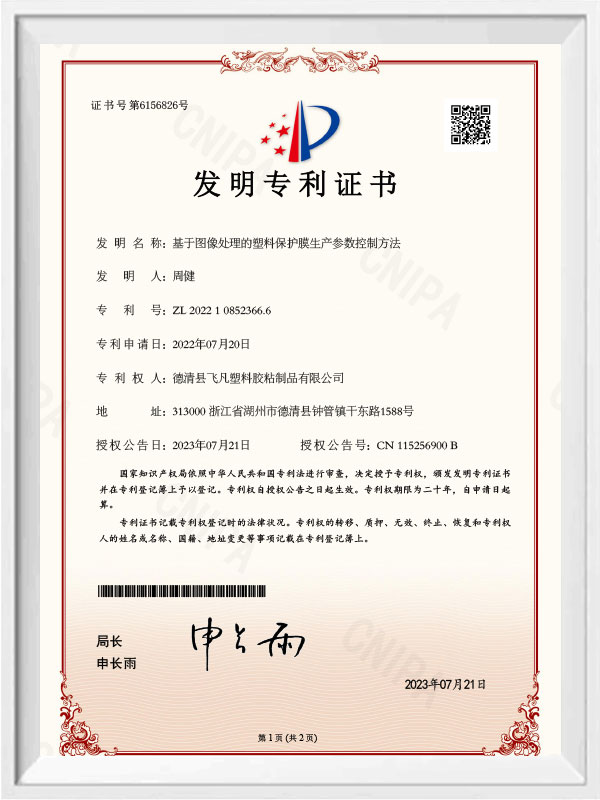
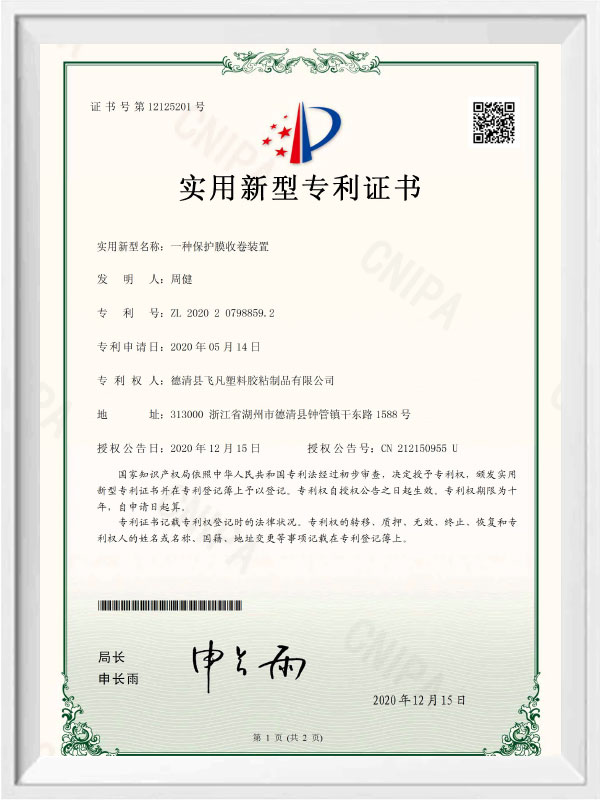
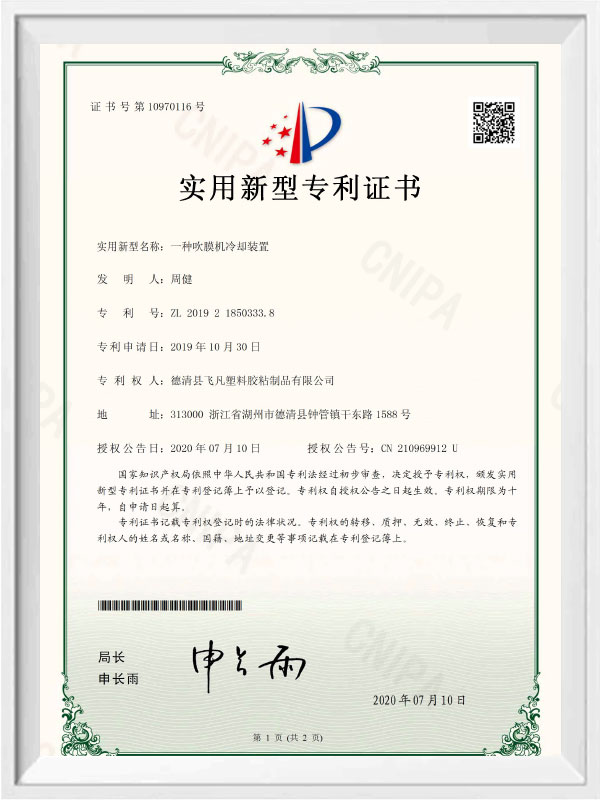
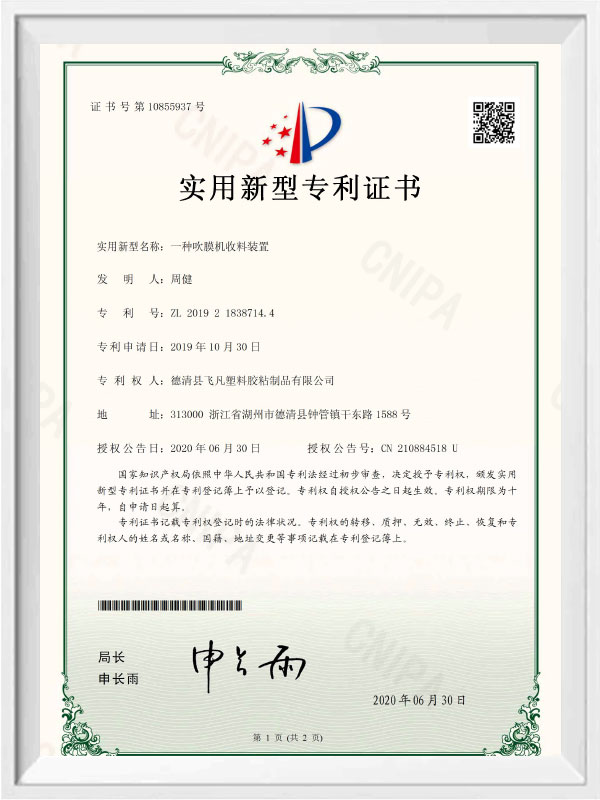
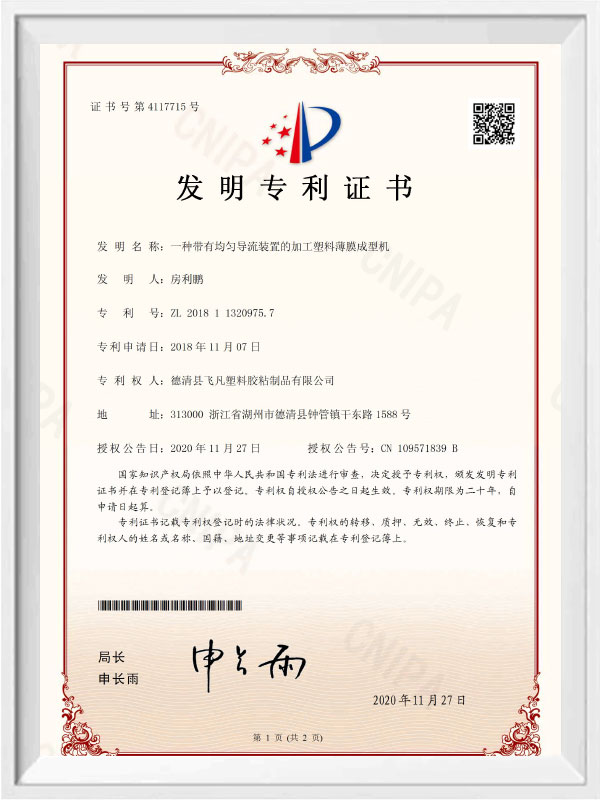
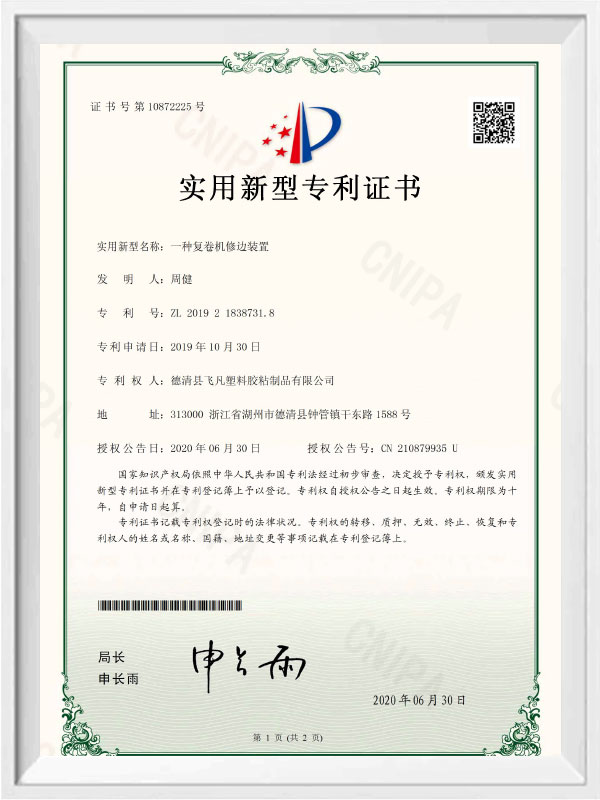
We conduct accelerated aging tests on all three surface types, simulating conditions from high-humidity coastal environments to UV-exposed construction sites. Our municipal R&D center, holding 2 invention patents and 15 utility model patents, continuously tests and refines formulations to improve performance on difficult surfaces like deep-embossed architectural panels.
Practical Selection Guide
- For textured aluminum facade panels: Modified acrylic adhesive, 80 μm thickness, 300-330 cN/20mm tack — ensures immediate hold on rough surfaces with clean removal up to 9 months
- For deep-embossed architectural panels: Rubber-based adhesive, 90 μm thickness, 320-360 cN/20mm tack — maximum conformability to follow intricate patterns without edge-lifting
- For anodized aluminum curtain walls: Pure acrylic adhesive, 70 μm thickness with UV inhibitors, 270-300 cN/20mm tack — strong bond with zero residue, 500+ hours UV resistance
With an annual production capacity of 8,000 tons of PE film and 50 million square meters of PE protective film, Zhejiang Feifan New Material Technology Co., Ltd. delivers consistent, reliable high-tack films to customers including Robam, Fotile, BYD, and Haier. Our status as a National High-Tech Enterprise and Provincial "Specialized and Innovative" SME reflects our commitment to technical excellence in every product we manufacture.
Explore our specialized high-tack solution for architectural aluminum panels: High-Tack PE Protection Film for Architectural Aluminum Panels.
Frequently Asked Questions
FAQ 1: How does Zhejiang Feifan New Material Technology Co., Ltd. prevent adhesive residue on anodized aluminum surfaces after high-tack film removal?
Adhesive residue on anodized aluminum is a common concern. Zhejiang Feifan New Material Technology Co., Ltd. addresses this through three key measures: First, we use pure acrylic adhesive formulations that are chemically stable and do not degrade over time, even on high-surface-energy anodized layers. Second, we precisely control tack level (270-300 cN/20mm for anodized surfaces) to provide sufficient bond strength without over-adhesion. Third, our adhesives are designed with cohesive strength that exceeds adhesive strength — meaning the adhesive stays with the film when peeled, not on the aluminum surface. We recommend testing on your specific anodized finish, as different anodizing processes (sulfuric vs. chromic acid) can affect adhesion. Our technical team provides free samples and detailed removal testing to ensure zero residue performance.
FAQ 2: Can high-tack PE film stay on embossed aluminum panels during outdoor construction periods, and what is the maximum duration?
Yes, but duration depends on the embossing depth and adhesive formulation. Zhejiang Feifan New Material Technology Co., Ltd. offers high-tack films specifically engineered for embossed aluminum that can remain effective for up to 6 months outdoors. For longer durations, we recommend adding UV inhibitors to prevent film degradation. Our rubber-based adhesives provide superior conformability to embossed patterns, while our modified acrylic adhesives offer better UV resistance for extended exposure. However, we always recommend removing the film as soon as construction is complete — the longer the film stays on, the higher the risk of adhesive hardening or environmental contaminants affecting removability. Our High-Tack PE Protection Film for Architectural Aluminum Panels is designed specifically for these demanding conditions.
FAQ 3: What is the difference in performance between rubber-based and acrylic-based high-tack adhesives on textured aluminum surfaces?
At Zhejiang Feifan New Material Technology Co., Ltd., we offer both adhesive types for textured aluminum. Rubber-based adhesives provide higher initial tack (instant stickiness), which is advantageous when film application occurs in less-than-ideal conditions or at lower temperatures. They also offer excellent conformability to rough textures. However, they have lower temperature resistance (up to 60°C) and can oxidize over time, potentially leading to residue after extended use. Acrylic-based adhesives, while having slightly slower initial tack development, offer superior long-term stability, higher temperature resistance (up to 80°C), and cleaner removal even after 9 months. For most architectural aluminum panel applications, especially those involving outdoor exposure or extended construction periods, we recommend acrylic-based adhesives. Our team can provide side-by-side samples for your specific textured surface to help you make the best choice.

 English
 русский
 عربى
عربى