What Is Self-Adhesive Carpet PE Protection Film and How Does It Work?
Temporary surface protection plays an essential role in maintaining the appearance and cleanliness of carpets throughout construction, remodeling, interior decoration, transportation, and commercial maintenance projects. Dust, paint, moisture, dirt, and foot traffic can quickly damage carpeted surfaces if adequate protection is not provided. Among various protective materials, self-adhesive carpet PE protection film has become one of the most practical solutions because it combines reliable surface adhesion, easy application, and residue-free removal.
Unlike conventional covering materials that require additional tapes or fasteners, self-adhesive protective film adheres directly to carpet fibers through a specially formulated adhesive layer. It creates a protective barrier without affecting the carpet itself, making installation faster while reducing labor requirements.
Understanding Self-Adhesive Carpet PE Protection Film
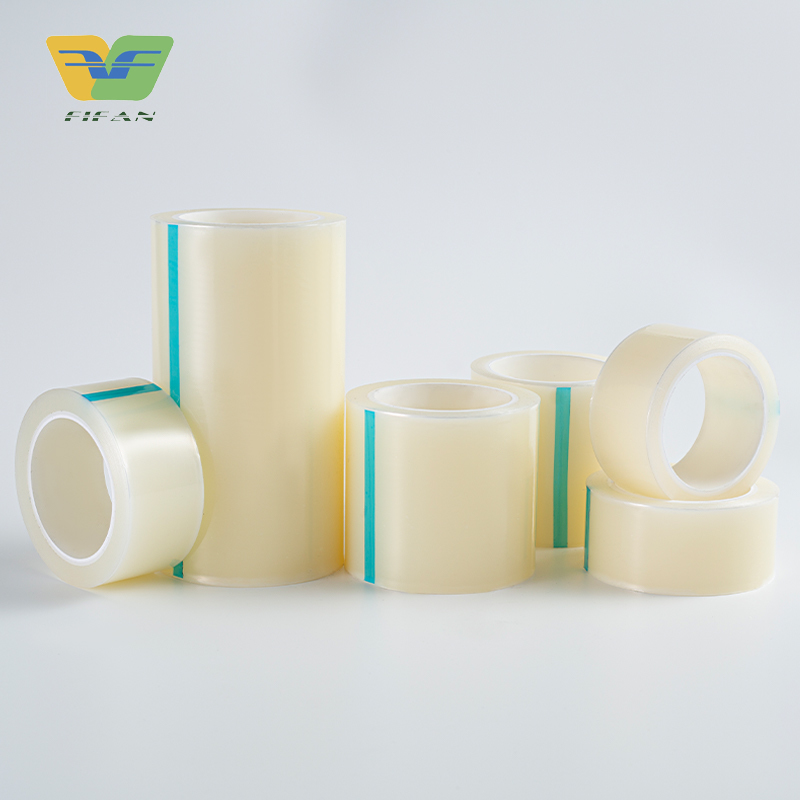
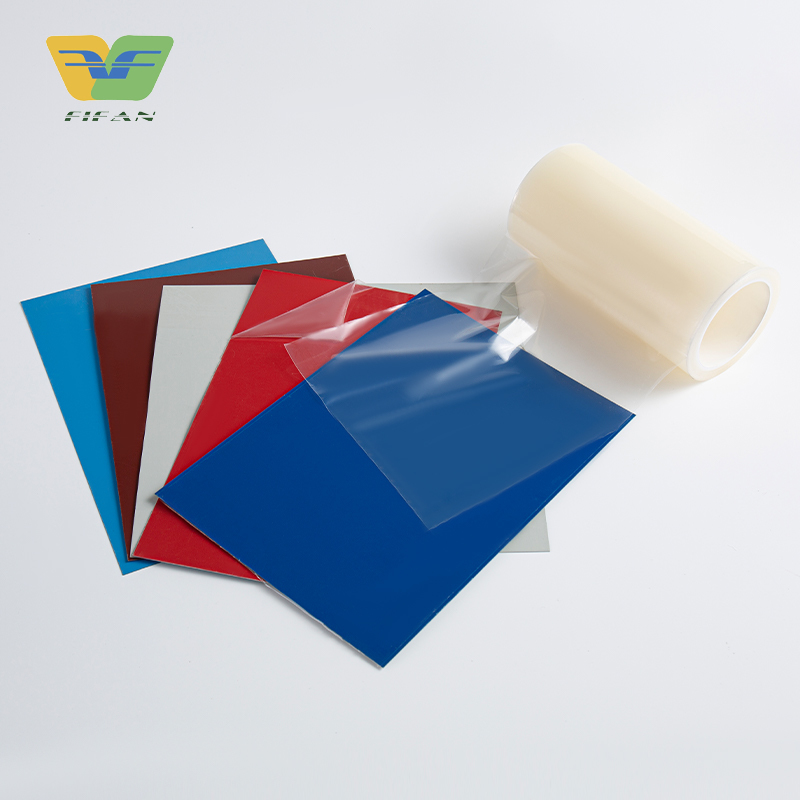
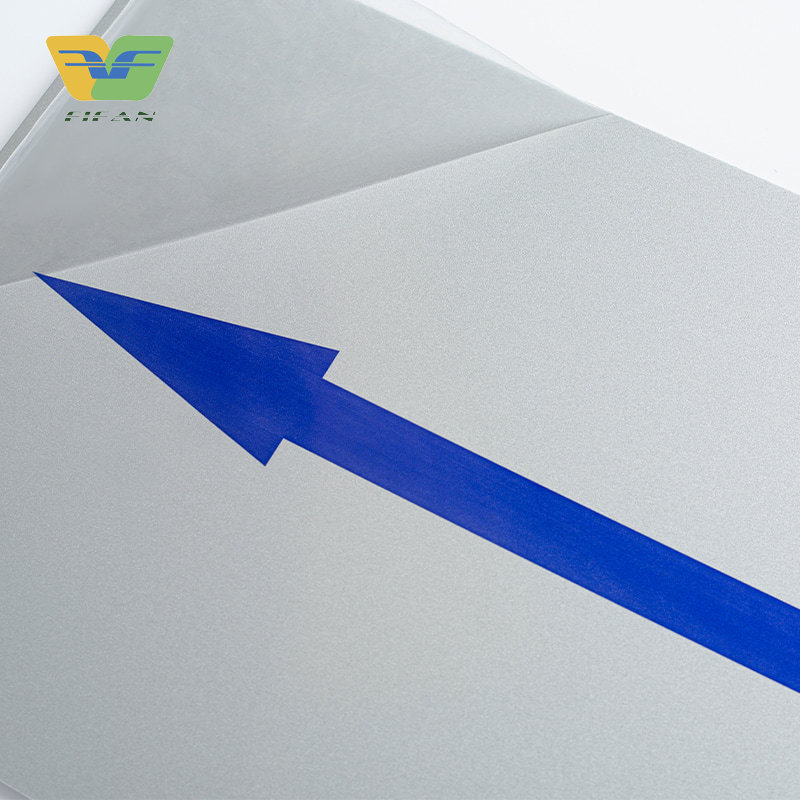
Self-adhesive carpet PE protection film is a polyethylene-based protective material specifically engineered for temporary carpet protection. It consists of a durable PE film coated with a pressure-sensitive adhesive that bonds securely to carpet surfaces while allowing clean removal after use.
The film protects carpets from contamination without permanently attaching to the fibers. Once the project is completed, the film can be peeled away smoothly, leaving the carpet clean and undamaged.
Its effectiveness comes from balancing several critical properties:
- Controlled adhesive strength
- Good puncture resistance
- Excellent tear resistance
- Moisture protection
- Stable dimensional performance
- Residue-free removal
These characteristics make self-adhesive carpet PE protection film suitable for both residential and commercial environments where carpets require temporary protection.
How Does Self-Adhesive Carpet PE Protection Film Work?
The working principle is relatively straightforward but relies on carefully engineered material design.
The pressure-sensitive adhesive forms a temporary bond with the carpet surface immediately after application. Unlike permanent adhesives, it creates sufficient holding force to prevent movement while remaining easy to remove.
Meanwhile, the polyethylene film functions as a protective shield that isolates the carpet from external contaminants.
The protection process can be summarized as follows:
| Protection Stage |
Function |
| Surface adhesion |
Film securely attaches to carpet fibers without additional tape |
| Barrier formation |
Blocks dust, paint, liquids, debris, and dirt |
| Impact protection |
Reduces abrasion caused by foot traffic and equipment |
| Stable positioning |
Prevents slipping or shifting during use |
| Clean removal |
Peels away without leaving adhesive residue |
This simple yet effective working mechanism makes the film highly efficient for temporary surface protection.
Main Material Structure
Although the product appears simple, its performance depends on several carefully selected material layers.
| Layer |
Primary Function |
| Polyethylene (PE) film |
Provides flexibility, strength, and moisture resistance |
| Pressure-sensitive adhesive |
Offers temporary adhesion with clean removal |
| Release surface |
Maintains adhesive stability during storage |
| Protective roll structure |
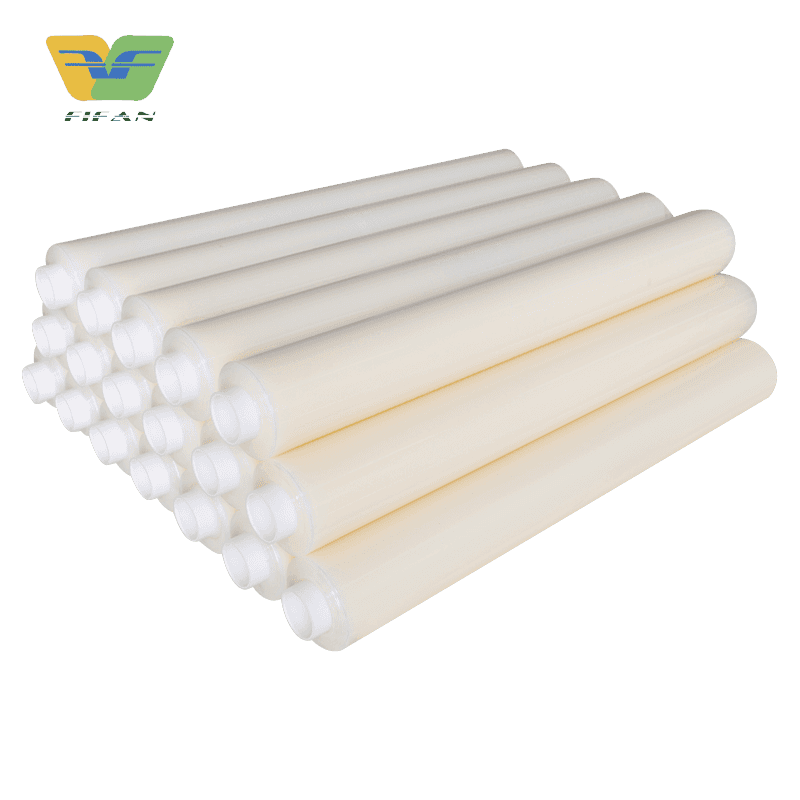
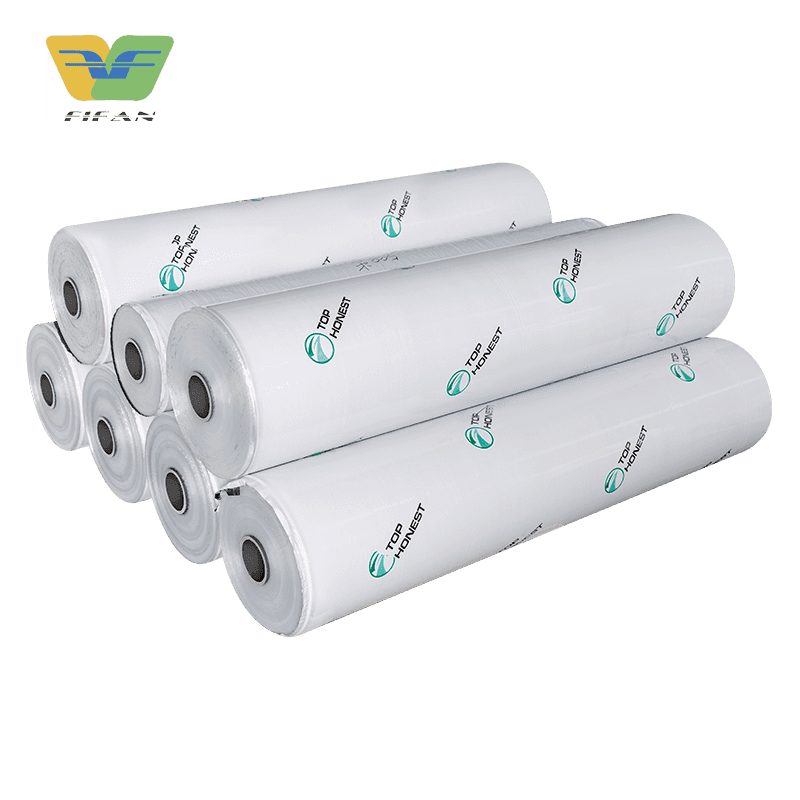
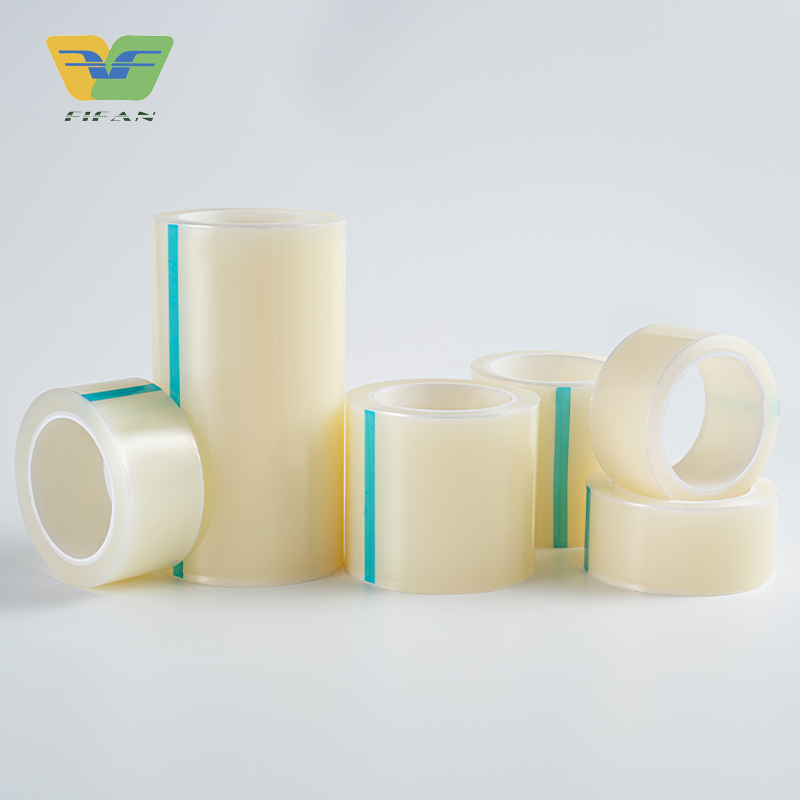
Enables convenient installation and transportation |
High-quality PE film exhibits excellent flexibility while resisting tearing during installation and removal.
Key Functional Advantages
A professionally manufactured self-adhesive carpet PE protection film offers multiple performance benefits beyond basic surface coverage.
Reliable Surface Protection
The film isolates carpets from dust, paint droplets, construction debris, mud, grease, and accidental spills, helping preserve their original appearance.
Residue-Free Removal
One of the most important requirements for carpet protection is clean removal. Proper adhesive formulation allows the film to be removed without leaving sticky residue or damaging carpet fibers.
Fast Installation
Unlike traditional protective coverings, self-adhesive film requires no additional fixing tape.
Installers simply:
- Roll out the film
- Apply light pressure
- Cut to the required length
This significantly improves installation efficiency.
Slip Resistance
Proper adhesion minimizes movement during use, reducing wrinkles and helping maintain safe walking conditions.
Moisture Barrier
Polyethylene naturally resists water penetration, preventing moisture from reaching the carpet during painting, cleaning, or construction activities.
Common Applications
The versatility of temporary carpet protection film allows it to serve numerous industries.
| Application |
Protection Purpose |
| Building construction |
Prevent dust and construction debris |
| Interior renovation |
Protect against paint and adhesive contamination |
| Commercial maintenance |
Preserve carpets during repairs |
| Property management |
Reduce cleaning after tenant turnover |
| Moving services |
Prevent dirt and abrasion from heavy traffic |
| Exhibition installation |
Protect temporary carpeted areas |
Because the film is lightweight and easy to install, it adapts well to projects of different sizes.
Why Polyethylene Is Widely Used
Polyethylene has become the preferred material for carpet protection films due to its balanced mechanical and chemical properties.
| Material Property |
PE Film Performance |
| Flexibility |
Excellent |
| Tear resistance |
High |
| Water resistance |
Excellent |
| Chemical stability |
Good |
| Lightweight |
Excellent |
| Processing efficiency |
High |
| Cost effectiveness |
Excellent |
Compared with many alternative materials, PE provides an excellent combination of durability, flexibility, and processing consistency.
Factors That Influence Performance
Several technical factors determine whether a construction carpet protection film performs reliably.
Adhesive Formulation
The adhesive must provide enough bonding strength to prevent movement while allowing easy removal after extended use.
Film Thickness
Film thickness influences durability, puncture resistance, and tear strength.
Thicker films generally provide greater protection against heavy construction traffic, while thinner films offer increased flexibility and easier handling.
Manufacturing Precision
Uniform coating, consistent thickness, and stable adhesive distribution contribute directly to product reliability.
Manufacturing consistency also helps reduce issues such as uneven adhesion or premature lifting.
Quality Manufacturing Makes the Difference
High-performance protective films depend not only on material selection but also on manufacturing control throughout the production process.
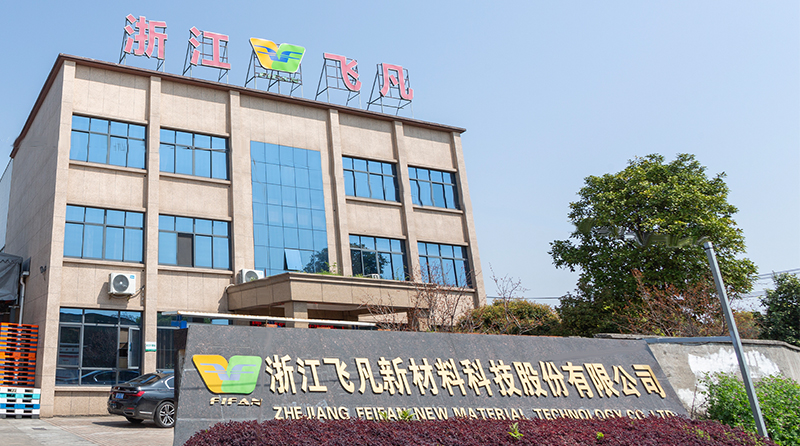
Zhejiang Feifan New Material Technology Co., Ltd. has focused on PE film and PE protective film manufacturing for many years.
From blowing and coating to slitting and packaging, every production stage is completed in-house, enabling comprehensive process control and consistent product quality. The company operates advanced manufacturing equipment together with a centralized feeding system, supporting an annual production capacity of 8,000 tons of PE film and 50 million square meters of PE protective film.
To ensure stable product performance, Zhejiang Feifan New Material Technology Co., Ltd. applies strict quality management throughout production.
Its manufacturing advantages include:
- Class 10,000 cleanroom production with strict particle control
- Low-tack adhesive designed for residue-free removal
- High-clarity optical-grade materials for demanding applications
- Complete quality inspection covering raw materials, production monitoring, finished product testing, and outgoing sampling
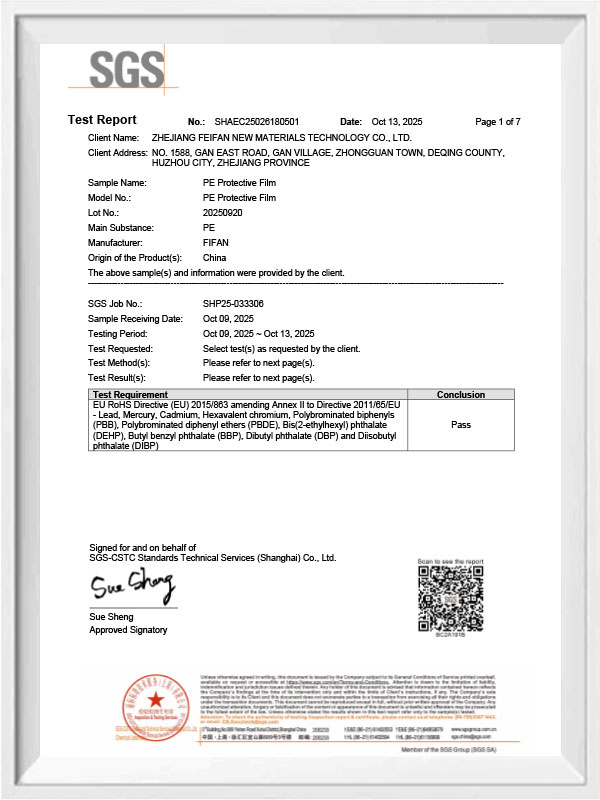
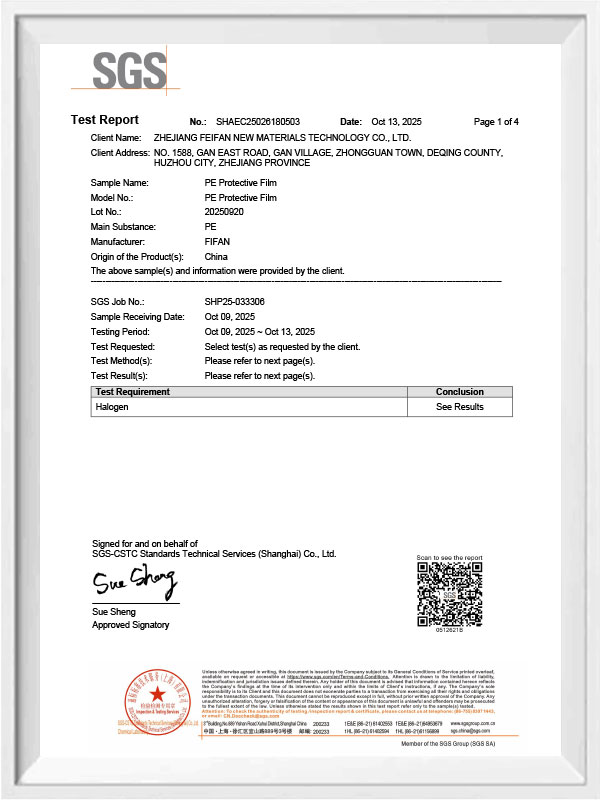
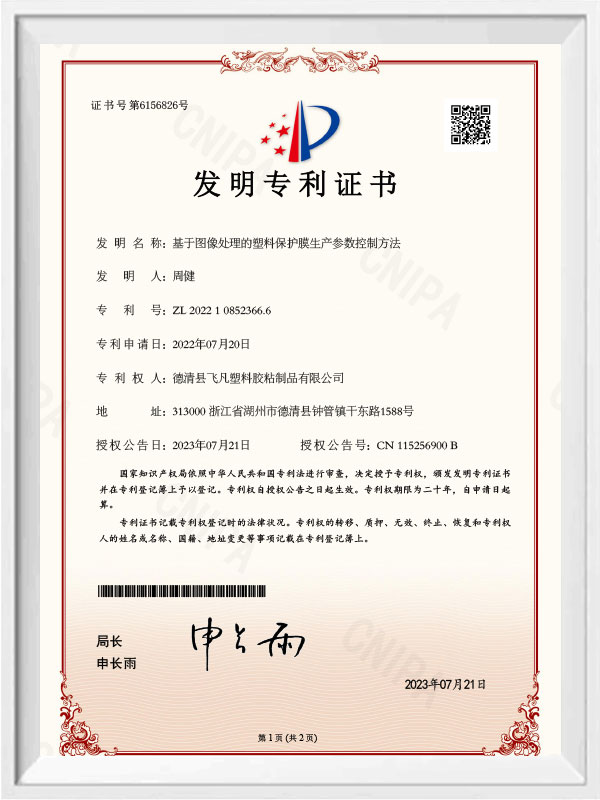
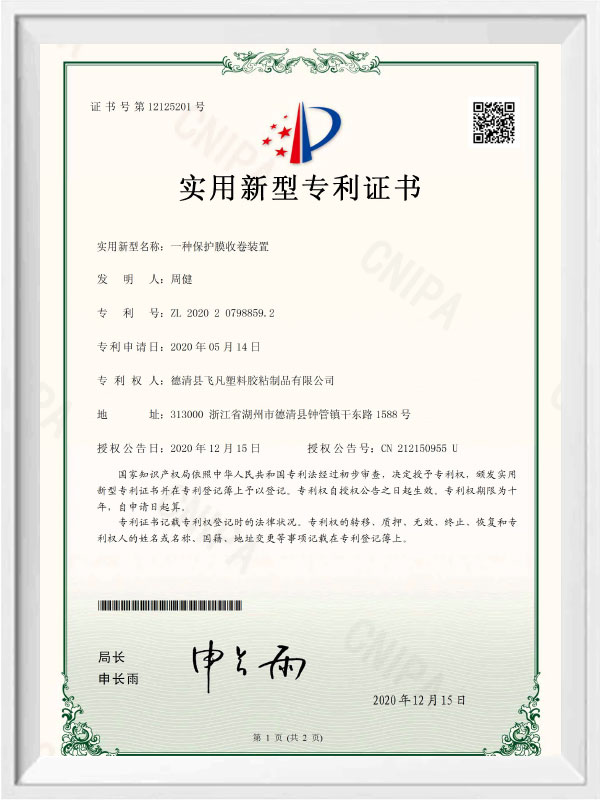
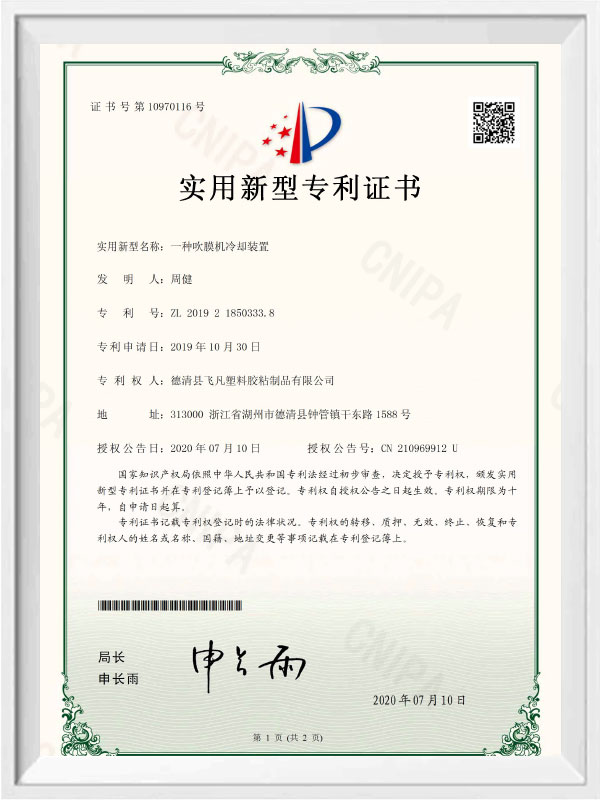
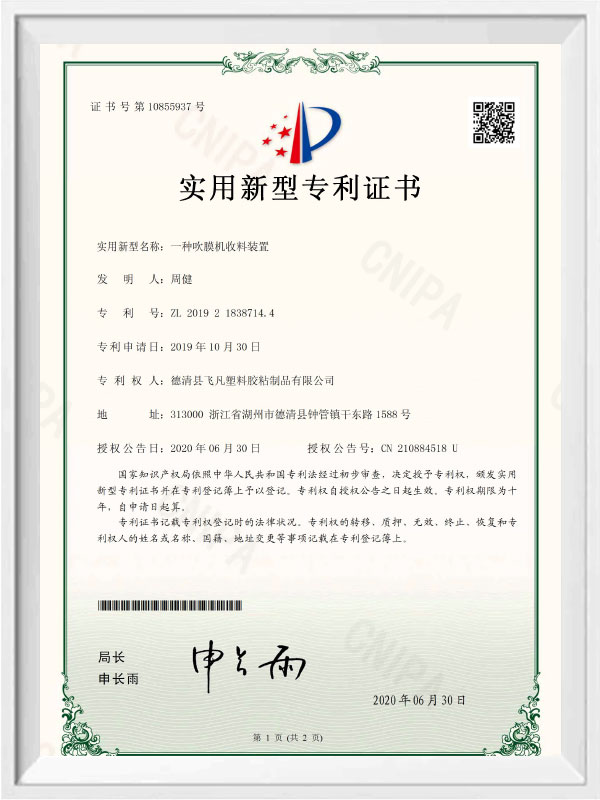
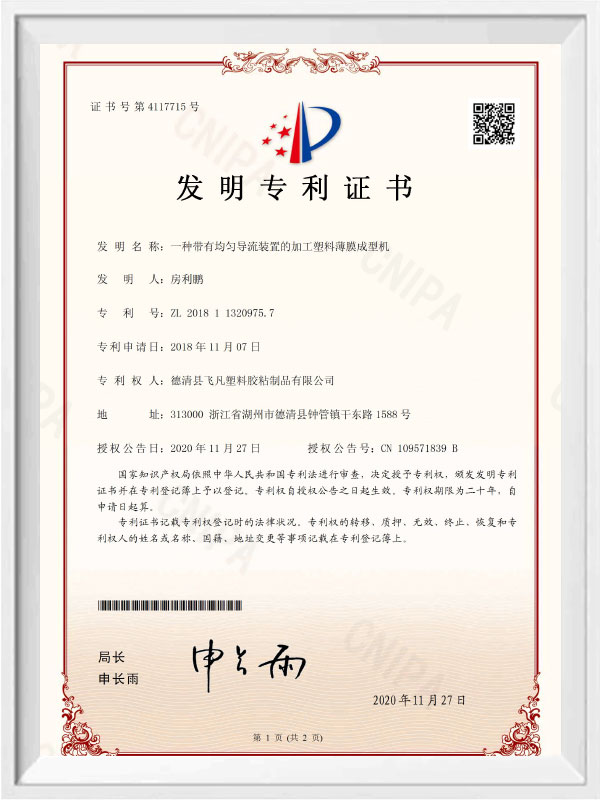
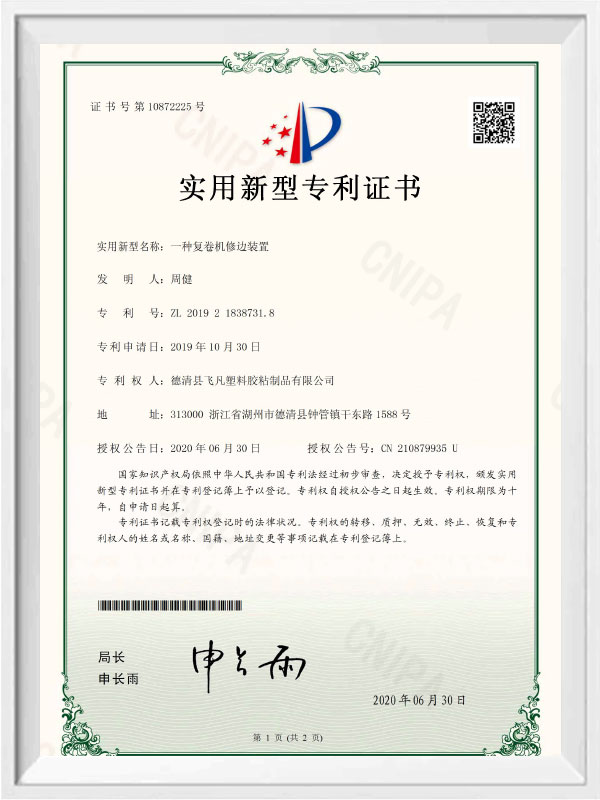
The company has been recognized as a National High-Tech Enterprise and a Provincial “Specialized and Innovative” SME. It also operates a municipal R&D center and holds multiple invention and utility model patents, reflecting its continued investment in PE protective film technology.
Choosing the Right Self-Adhesive Carpet PE Protection Film
Selecting an appropriate product requires evaluating the intended application rather than focusing solely on price.
Important considerations include:
- Adhesive compatibility with carpet materials
- Required protection duration
- Film thickness
- Tear resistance
- Residue-free removal capability
- Moisture resistance
- Ease of installation
- Manufacturing quality consistency
Projects involving heavy pedestrian traffic or extended protection periods typically require stronger mechanical performance and more stable adhesive systems.
Conclusion
Self-adhesive carpet PE protection film provides an efficient temporary protection solution for carpets exposed to construction, renovation, transportation, and maintenance activities. By combining durable polyethylene film with a carefully engineered pressure-sensitive adhesive, it forms a secure protective barrier against dirt, moisture, paint, and physical wear while allowing quick installation and clean removal.
FAQ
1. What is self-adhesive carpet PE protection film primarily used for?
It is designed to temporarily protect carpets from dust, paint, dirt, moisture, scratches, and heavy foot traffic during construction, renovation, moving, and maintenance projects.
2. Will the adhesive leave residue on the carpet?
High-quality self-adhesive carpet PE protection film uses specially formulated low-tack adhesives that allow clean removal without leaving adhesive residue when used according to recommended conditions.
3. Can the film be used on different carpet types?
Yes. Most products are suitable for a wide range of commercial and residential carpets, although adhesive compatibility should always be confirmed before large-scale application.
4. How is self-adhesive carpet PE protection film installed?
The film is rolled directly onto the carpet surface, lightly pressed to ensure adhesion, and trimmed as needed. No additional tapes or fastening materials are normally required.
5. What factors should be considered when selecting a carpet protection film?
Key factors include adhesive performance, film thickness, tear resistance, moisture protection, residue-free removal, expected service duration, and manufacturing quality consistency.


 English
 русский
 عربى
عربى