
- Product
-
Our Story
Why Choose Us?We are a national high-tech enterprise and a provincial "Specialized and Refined" SME, focusing on the R&D, production, and sales of PE protective film. As a leader in the industry, we are committed to serving global customers with innovative technology and have won wide recognition in the market.
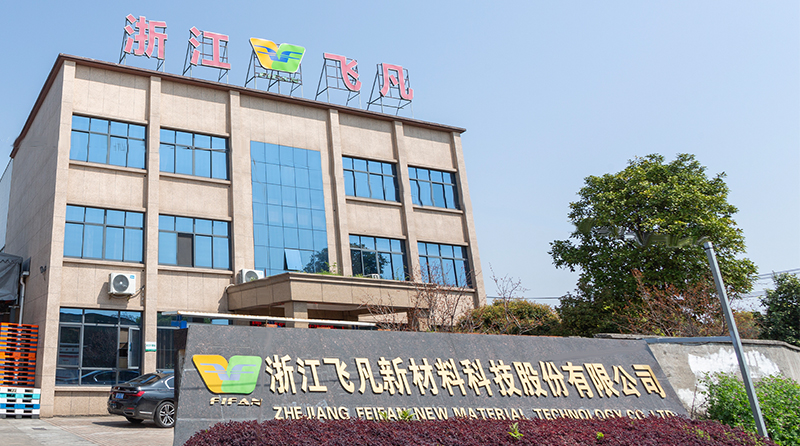 Coming From China, Marketing To The World.
 -
News
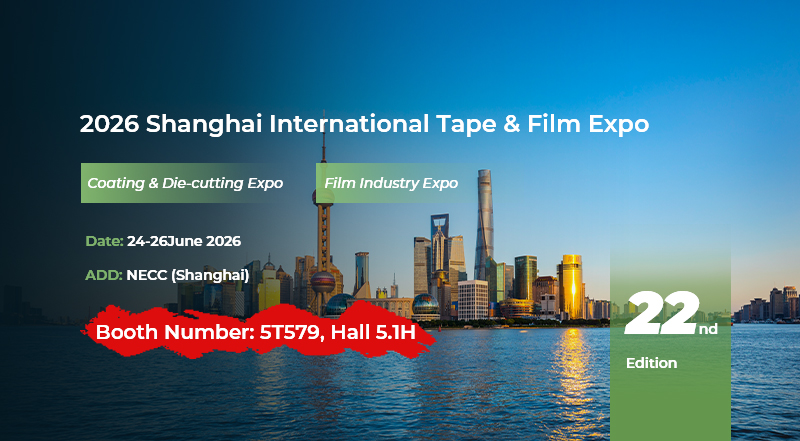 Feifan was invited to participate in the 2026 Shanghai International Tape and Film Exhibition
Dear Valued Customer / Partner, We are pleased to announce that our company will be exhibiting at APFE 2026 – the 22nd Shanghai International Adhesive Tape & Film Expo (Coating & Laminating E...
 English
 русский
 عربى
عربىFunctional PE Film Suppliers: A Practical Guide to Selecting High-Performance Films
Content
A fabricator in the metal cladding business once told us about a recurring rejection: polished stainless sheets arrived with fine scratches and a faint tape residue after three weeks of storage. The film looked fine. The problem was that the film had not been specified for that surface, that dwell time, or that environment.
Functional PE film is the answer to this type of failure, but only when the supplier can engineer the film for the actual condition. The plain polyethylene film that protects a flat aluminum sheet is not necessarily the right product for a high-gloss injection-molded part, a glass pane exposed to sunlight, or an electronic panel sensitive to static discharge.
What Does "Functional PE Film" Actually Mean?
A functional PE film is a polyethylene-based film that carries more than basic mechanical protection. It is formulated or coated to deliver a measurable additional property: antistatic behavior, UV stabilization, self-adhesion, scratch resistance, or clean peel without residue. The term is broad by design. In practice, buyers should treat "functional" as a requirement to define the performance window before ordering, not as a fixed grade.
That is why this guide gives you a straightforward conclusion first: The best functional PE film suppliers are not the ones with the longest product list, but the ones that can link a specific film construction to a specific surface and handling condition. Everything else, including price and lead time, is secondary until that link is proven.
Common Types of Functional PE Film and Where They Matter
Most industrial buyers need one of five functional behaviors. The table below summarizes what each function does and where it is typically specified.
| Functional Type | Key Benefit | Typical Applications |
|---|---|---|
| Antistatic PE film | Reduces surface voltage and dust attraction | Electronics, optical parts, painted panels, PET decorative boards |
| UV-stabilized / anti-aging PE film | Prevents yellowing, brittleness, and residue after outdoor exposure | Windows, doors, color-coated steel, glass, exterior building materials |
| Self-adhesive PE protective film | Bonds by its own adhesive or surface characteristics; removes cleanly | Home appliances, injection-molded parts, PC sheets, metal sheets, glass |
| Heavy-duty anti-scratch film | Higher impact resistance for hard or textured surfaces | Stainless steel, aluminum panels, marble, stone |
| Printed or light-blocking film | Adds identification, opacity, or UV shielding | Rolls requiring color coding, blackout surfaces, brand marking |
For electronics and high-gloss surfaces, a high-performance antistatic PE protective film keeps surface voltage low enough to reduce dust pickup and electrostatic discharge during handling.
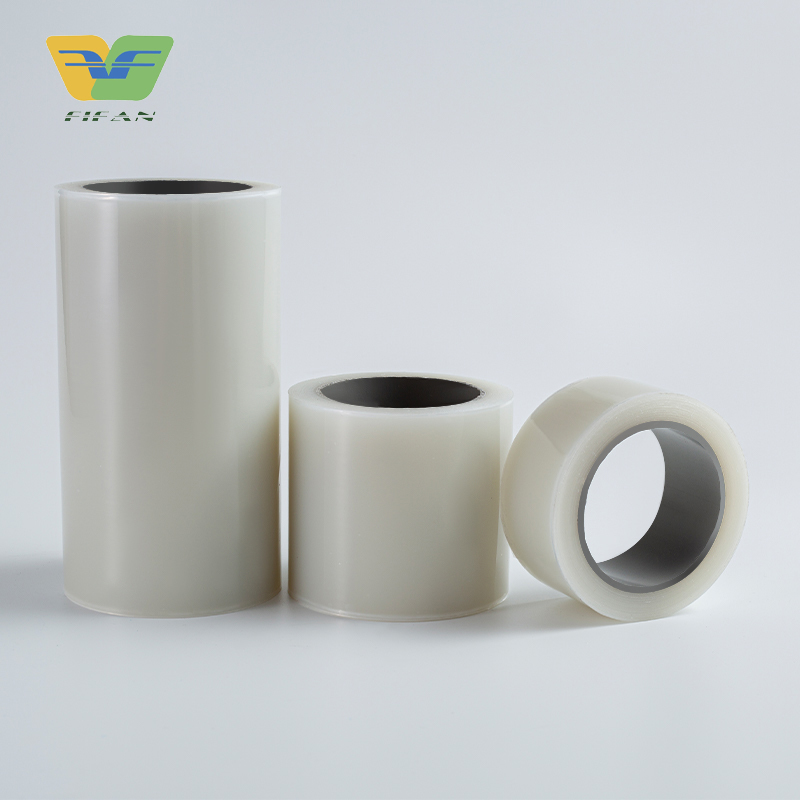 Custom High-Performance Anti-Static PE Protective Film ODM/OEM Suppliers, ExportZhejiang Feifan New Material Technology Co., Ltd. Is China Custom High-Performance Anti-Static PE Protective Film ODM/OEM Suppliers, Expo...View Product →
For products that sit near windows, under warehouse skylights, or on exterior construction sites, a UV-stabilized anti-aging PE protective film makes more sense because ordinary film degrades quickly when exposed to sunlight and leaves adhesive residue behind.
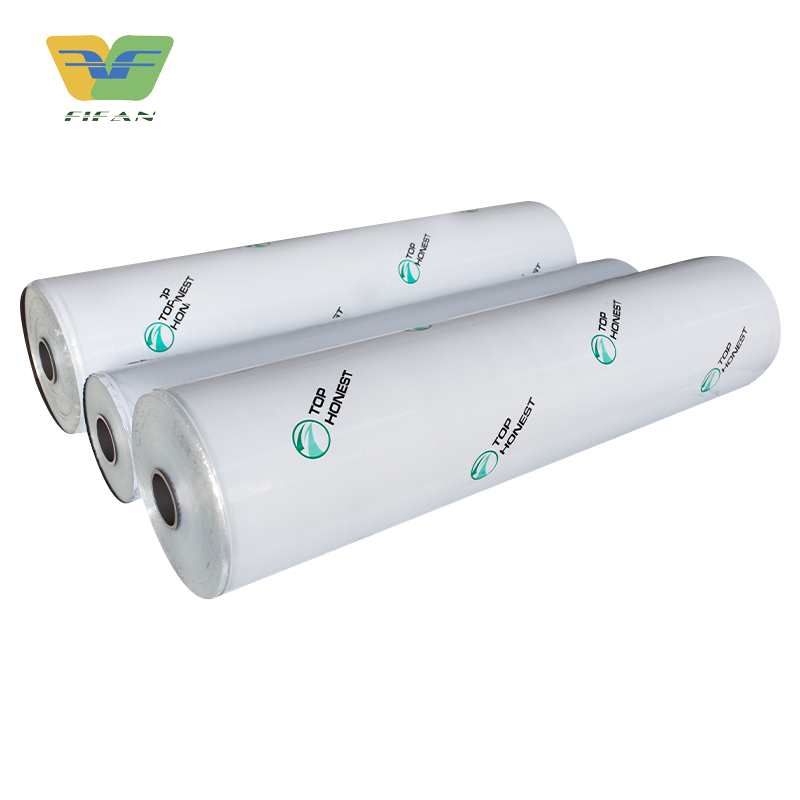 Custom UV-Stabilized Anti-Aging PE Protective Film ODM/OEM Suppliers, Exporter, Zhejiang Feifan New Material Technology Co., Ltd. Is China Custom UV-Stabilized Anti-Aging PE Protective Film ODM/OEM Suppliers, Exporter...View Product →
For home appliances, the film must survive stamping, bending, transport, and assembly without lifting, yet peel away cleanly at the final step. A self-adhesive PE protective film for home appliances is designed specifically for that combination of adhesion and clean removal.
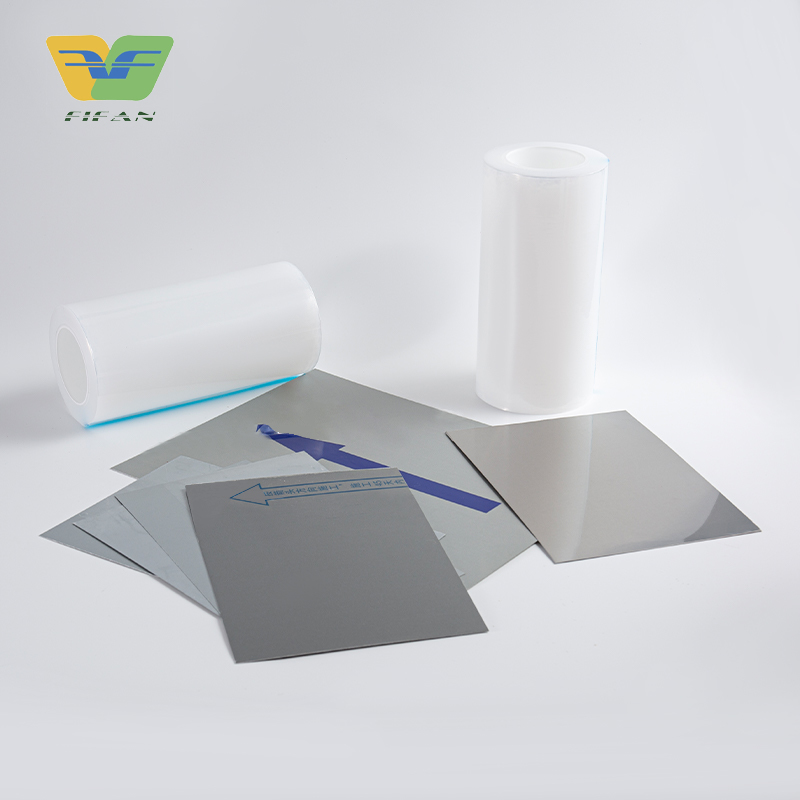 Custom Self-Adhesive PE Protective Film for Home Appliances ODM/OEM Suppliers, EZhejiang Feifan New Material Technology Co., Ltd. Is China Custom Self-Adhesive PE Protective Film for Home Appliances ODM/OEM Suppliers,...View Product →
If you are new to self-adhesive films, our article on how self-adhesive PE protective films protect industrial surfaces explains the bonding mechanism in practical terms.
How to Evaluate Functional PE Film Suppliers
Because functional performance lives in the details, supplier evaluation should focus on process control, not just samples. A sample can look good in the office and fail on the production line. Use these four criteria to narrow the list.
1. Look for full in-house production and coating capability
Suppliers that control blown-film extrusion, coating, slitting, and packing can respond faster to your substrate and keep tolerances consistent. When separate companies handle each step, a variation in coating thickness becomes easy to hide until the film fails on your press brake.
2. Demand clean-room and residue-free adhesive standards
Functional films for appliances, electronics, and optical parts cannot tolerate dust, gel, or adhesive transfer. A Class 10,000 clean room, low-tack adhesive, and optical-grade material are the markers of a supplier that understands contamination risk. Ask for the actual inspection method for residue, surface voltage, and transparency.
3. Verify testing and batch traceability
Good suppliers check raw material on arrival, monitor coating processes, inspect 100% of finished rolls, and perform random outbound sampling. They can show you written standards for peel force, elongation, haze, and UV resistance. If a supplier only offers a datasheet, treat that as a red flag.
4. Assess customization and responsiveness
No two production lines handle film in the same way. A functional PE film supplier should be willing to adjust thickness, adhesion level, color, printed pattern, and slitting width. Ask how they handle technical samples, how many revisions they allow, and how they record your specification for repeat orders. If you are reviewing this topic for the first time, our guide to avoiding pitfalls when purchasing PE protective film can help you structure the conversation.
Why Feifan Is a Practical Choice for Functional PE Film Buyers
Feifan New Material Technology Co., Ltd. has manufactured PE film and PE protective film since 2003. The company positions itself as a specialist in surface protection, and its product range maps directly to the functional groups described above.
Vertical integration from blow molding to slitting
Feifan completes blown-film extrusion, adhesive coating, slitting, and packing in one facility in Zhejiang, China. That internal flow makes it easier to hold coating weight, thickness, and roll appearance within tight limits. It also gives the company a practical advantage when a customer needs a slightly different adhesive system or a custom printed pattern.
Clean-room manufacturing and low-residue technology
The company operates a Class 10,000 clean room and emphasizes low-tack adhesives, residue-free removal, optical-grade materials, and high light transmittance. These characteristics matter for PC sheets, glass, high-gloss plastic, and other sensitive substrates. Feifan applies the same clean-room mindset to its full quality chain: incoming raw material inspection, in-process monitoring, 100% finished-product inspection, and random outbound checks.
R&D depth and recognized credentials
Feifan is a national high-tech enterprise and a provincial "specialized and refined" SME, with a municipal R&D center. Its R&D team includes doctoral and master's-level engineers, and the company holds two invention patents and fifteen utility-model patents. For a buyer, this is tangible evidence that functional claims are backed by sustained development rather than imported film rebranding.
Production capacity that supports steady supply
Feifan reports an annual capacity of 8,000 tonnes of PE film and 50 million square meters of PE protective film. Long-running supply to appliance, automotive, and construction material manufacturers is an additional signal of reliability. If you need a technical baseline for one of the tougher surfaces, the heavy-duty anti-scratch PE film technical guide for stainless steel shows the level of detail a serious supplier can provide.
A Sourcing Checklist Before You Commit to Functional PE Film
Use the following checklist to turn a general inquiry into a precise specification.
- Define the substrate. Write down the exact material, surface finish, and any coatings that will contact the adhesive.
- Identify the risk condition. Is the main threat scratching, dust attraction, sunlight, chemical exposure, or adhesive residue?
- Set a numeric target. For antistatic film, ask for surface resistance values. For UV film, ask for the expected outdoor or indoor exposure duration. For self-adhesive film, state the peel force range you can tolerate.
- Test on your actual line. A sample that performs well in a lab may fail when bent, punched, routed, or stored under pressure. Ask for a trial roll on the same production equipment and the same dwell time.
- Require traceability. Confirm that every roll can be traced to a batch record and an inspection report.
- Clarify packaging and lead time. Film that arrives scratched or deformed cannot be fixed on the line, so ask about core size, roll length, edge trim, and protective wrapping.
The Bottom Line
Functional PE film is not a commodity to buy on price alone. It becomes valuable when it is matched to a specific surface, a specific handling process, and a specific removal requirement. The right supplier will let you verify that match through process transparency, test data, and trial runs, not only through a glossy brochure.
Start with your substrate and the failure mode you want to avoid. Share those details with an experienced PE film manufacturer and ask for a documented recommendation. In most cases, the supplier that asks the most precise questions at the inquiry stage is the one that will cause the fewest problems at the receiving dock.
Your email address will not be published. Required fields are marked *
-
-
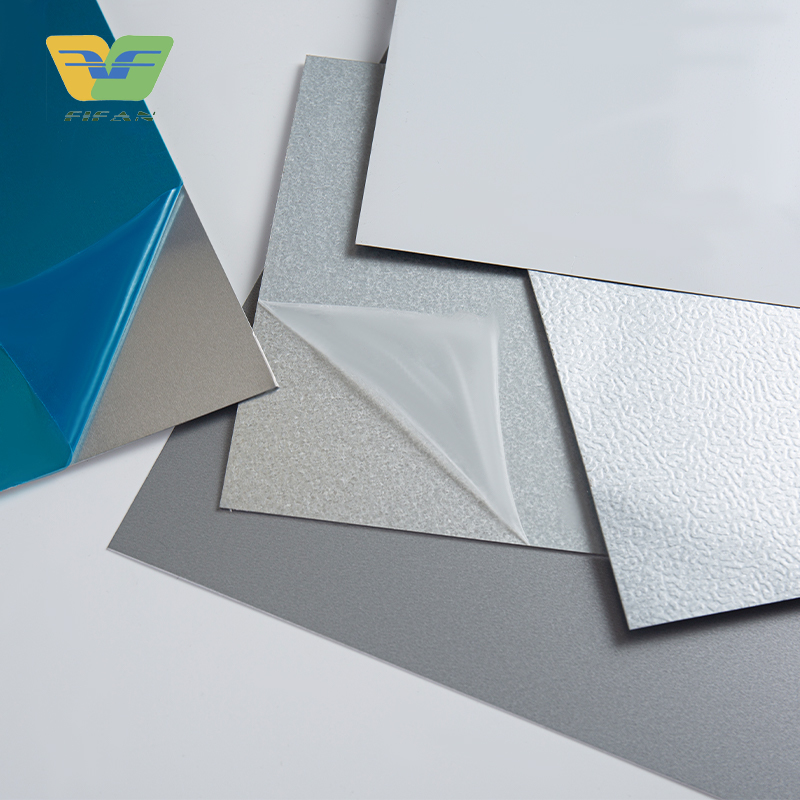
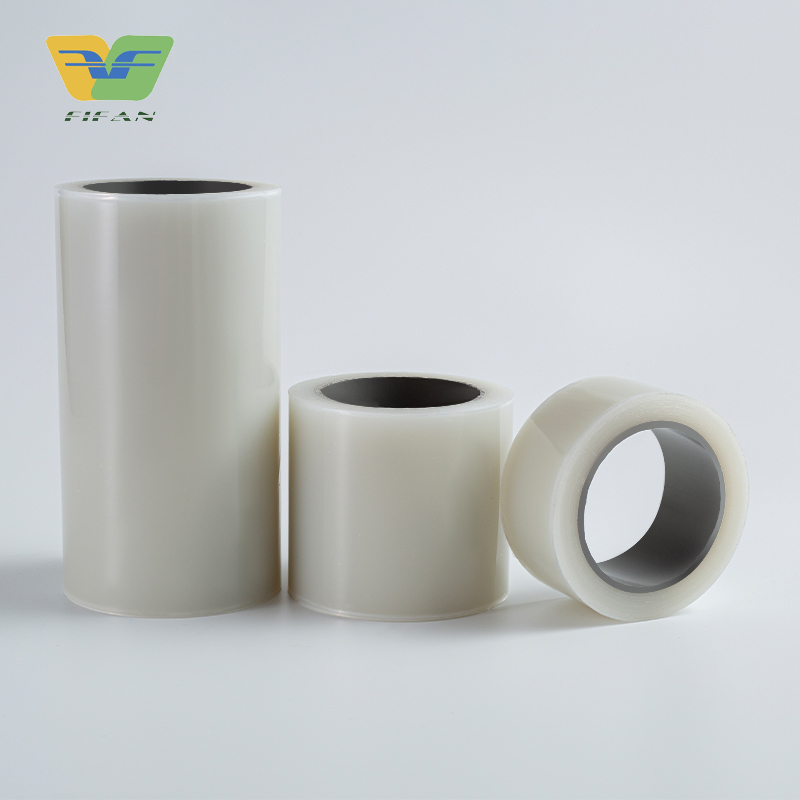
Construction Material PE Protective Film High-Tack PE Protection Film for Architectural Aluminum Panels View More
-
-
-
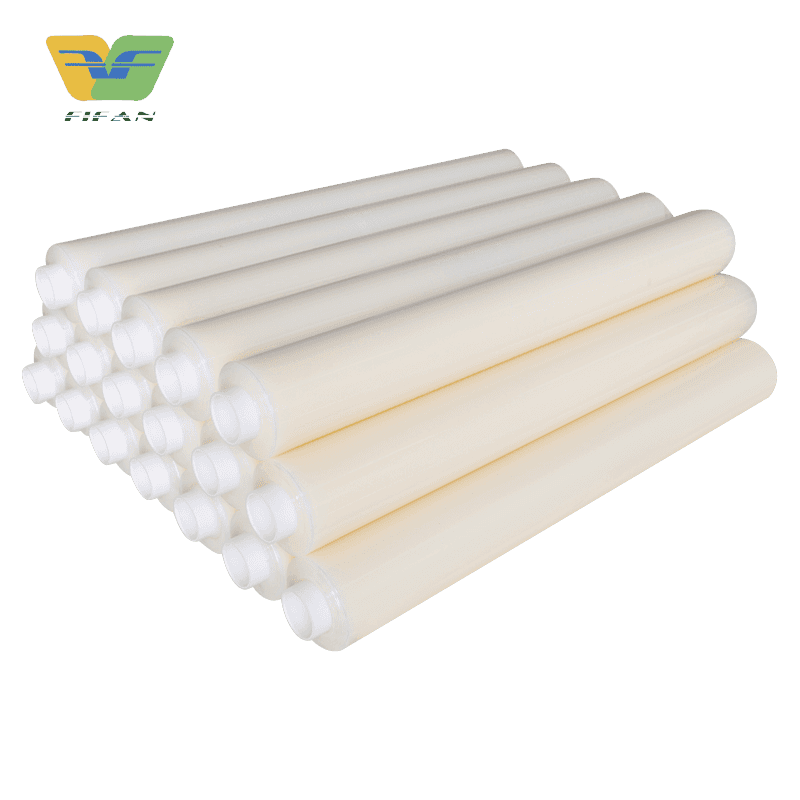
Construction Material PE Protective Film Anti-Static PE Protective Film for PET Decorative Panels View More
-
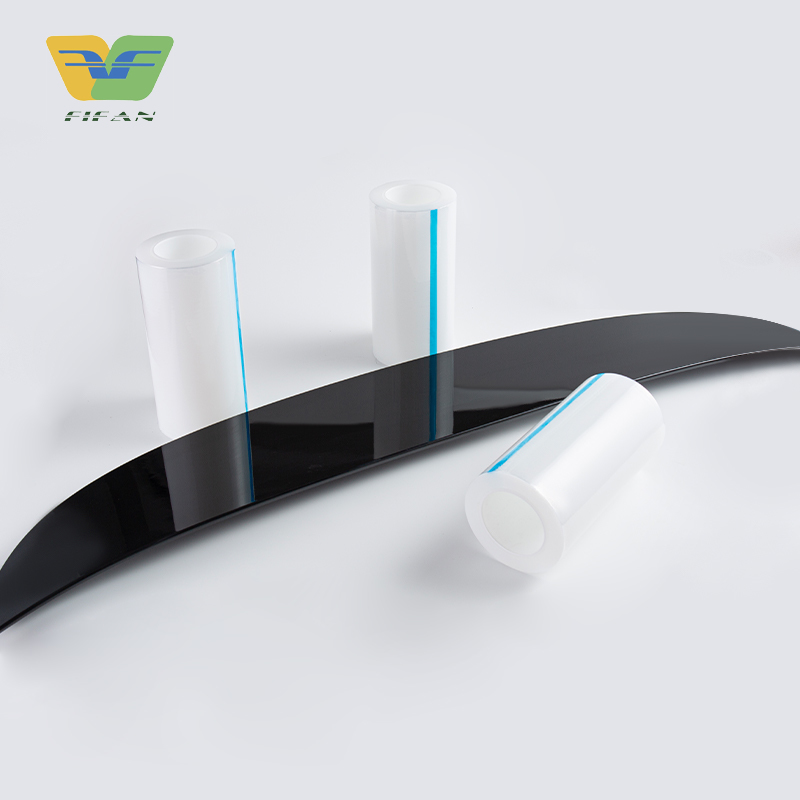
Self Adhesive PE Protective Film Self-Adhesive PE Protective Film for High-Gloss Injection Molded Parts View More

Address: No. 1588 Gan Dong Road, Zhongguan Town, Deqing County, Huzhou City, Zhejiang Province, China
TEL: +86-572-8498038 / +86-15067289913
E-mail: [email protected]
Mobile
WhatsApp

Copyright © Zhejiang Feifan New Material Technology Co., Ltd. All Rights Reserved
